
Back to blog
Article
How to Move a Toilet in the Basement
Admin September 20, 2026
Mobile toilets in basements can be achieved by using specialized mobile toilet facilities. Their core advantages include not relying on drainage systems, using moisture-proof materials, and having flexible layouts, effectively avoiding issues such as poor ventilation, high humidity, and drainage difficulties in underground spaces.
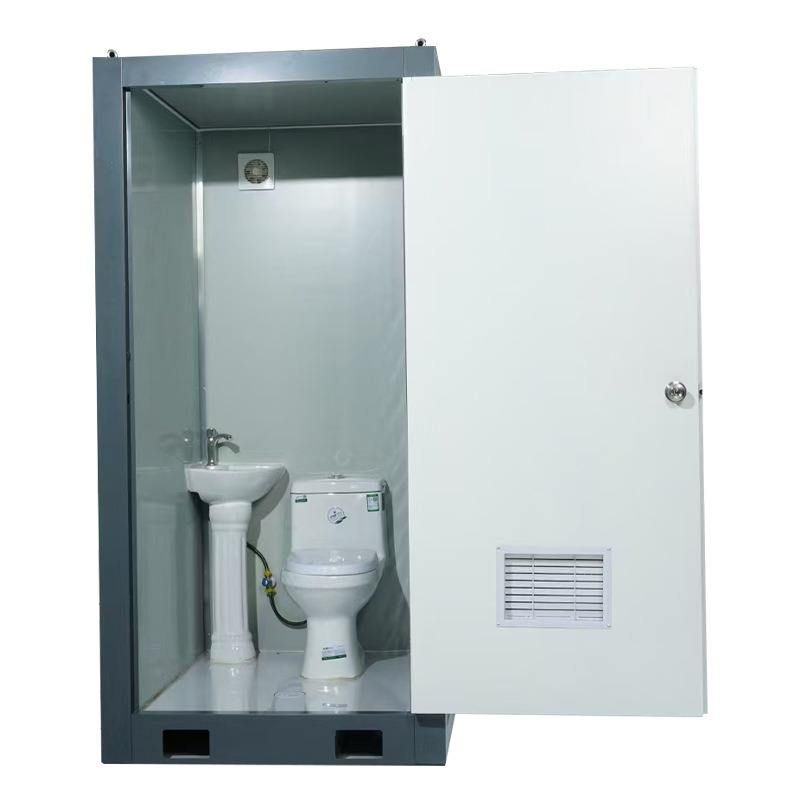
Common Types and Technical Principles
- Sewage Storage Type: Collects waste through a bottom tank and requires regular cleaning and transportation. It is suitable for short-term events or low-frequency usage scenarios. Its structure is simple, requiring no electrical or water connections, but it requires frequent maintenance.
- Recirculating Water Flush Type: Equipped with a small water tank and a recirculating filtration system, it consumes only one-third of the water used by traditional toilets but requires electricity to operate. It is suitable for places with convenient electricity access and high usage frequency.
- Biodegradable Type: Utilizes microorganisms to decompose waste. Some models incorporate deodorizing boxes and exhaust fans to improve air quality. However, the later maintenance costs are relatively high, with a single usage cost of approximately 3-5 yuan, making it suitable for places with high environmental requirements.
Practical Application Considerations
- Space Planning: The standard size for a single toilet stall is 1.2m × 1.5m, with a minimum aisle width of 0.8m reserved to ensure personnel passage and maintenance operations.
- Maintenance Cycle: It is recommended to clean the sewage storage tank every 200 uses after it is full to avoid odor diffusion. The recirculating water type requires regular inspection of the filtration system, while the biodegradable type requires replenishment of microbial agents.
- Safety Protection: Choose materials with a flame-retardant rating of B1 and equip with emergency lighting. For basements with unprotected brick-concrete structures, install a waterproof layer to prevent groundwater seepage.
Cost and Selection Recommendations
- Basic Sewage Storage Type: The purchase price ranges from 3000 to 5000 yuan, suitable for places with limited budgets but requiring frequent cleaning and transportation.
- Mid-range Recirculating Water Type: Priced between 8000 and 12000 yuan, it is suitable for office areas with convenient electricity access and high usage frequency, offering significant water-saving effects.
- High-end Biological Treatment Type: Priced over 20000 yuan, it is suitable for places with high environmental requirements but requires consideration of maintenance costs. When purchasing, check the sealing of tank seams and prioritize detachable designs for easy transportation and maintenance.
Common Problem Solutions
- Odor Control: Regularly add degrading agents and use activated carbon filters. Installing timed spray deodorization devices can reduce complaint rates by approximately 40%.
- Low-Temperature Protection: In northern regions, choose models with insulation layers and drain the water tank during extreme weather to prevent freezing and cracking.
Related



