Barrier-Free Mobile Toilet Materials
The main component materials of barrier-free mobile toilets include bases, toilets, urinals, washbasins, etc. Additionally, there are specific material requirements for the customized box body, interior panels, and roof structure.

The base is made of high-quality epoxy resin and fiberglass, molded in one piece using a mold, and reinforced with aluminum alloy ribs. This combination ensures the sturdiness of the base while facilitating the installation of 'safety grab bars'. The base height has specific requirements, with dimensions based on standard units, and the planar load-bearing capacity must meet standards to ensure stability and safety during use.
The toilet is a stainless steel, one-piece, air-water flushing toilet with an appropriate height to meet the needs of different users. Horizontal grab bars are installed on both sides of the toilet seat, and a vertical grab bar or an L-shaped grab bar connected to the horizontal one is installed on the wall side. The diameter of the safety grab bars and the distance from their inner sides to the wall are specified, and they must be able to withstand a certain weight to provide stable support for users. A help call button is installed beside the toilet, and the water tank switch uses a lever-type or protruding button switch for easy operation.
The urinal is made of stainless steel, molded in one piece, and requires the use of nano anti-odor technology to effectively reduce odor generation. The height of the outlet has specific requirements, and safety grab bars are installed on both sides and above. The height of the handrails on both sides is specified to ensure the safety and convenience of users.
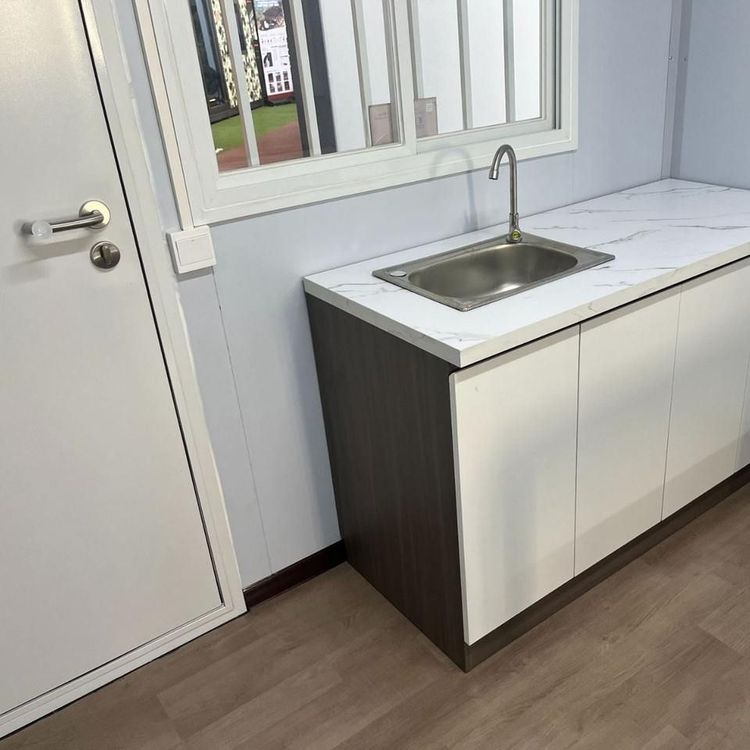
The washbasin is made of stainless steel, molded in one piece (wall-mounted type), with safety grab bars installed on both sides and the front edge of the washbasin to facilitate user support and prevent accidents such as slipping.
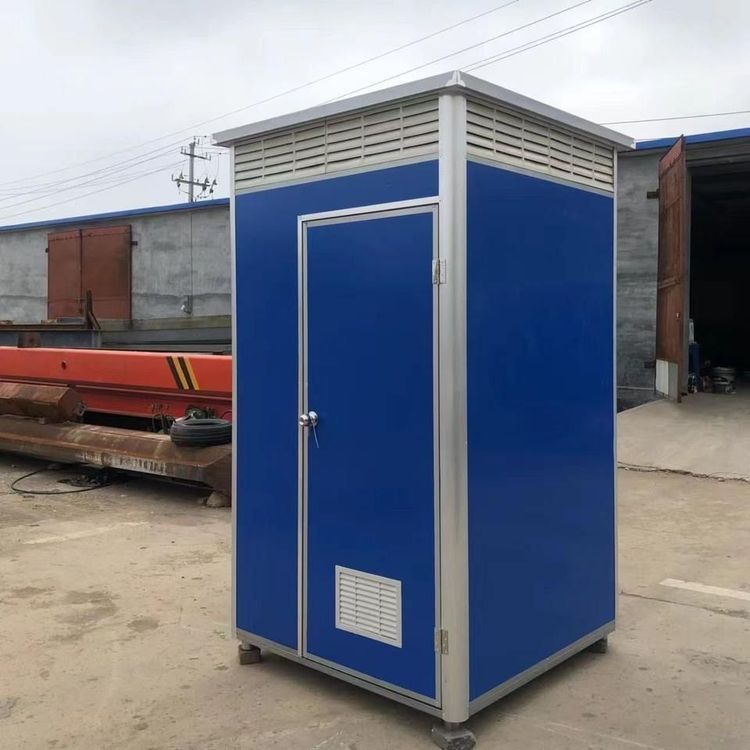
When customizing mobile toilets, for the box body material, galvanized steel sheets offer good rust resistance and are suitable for humid areas such as seaside, effectively resisting erosion from humid environments; aluminum alloy is lighter and more suitable for places that require frequent relocation, facilitating movement and installation. The interior panels are made of antibacterial composite materials, which are easy to clean, reduce odor residue, and maintain a hygienic environment inside the toilet. The roof structure adopts a slope design to prevent water accumulation, and a double-layer insulation layer can cope with extreme weather, improving the durability and comfort of the toilet.