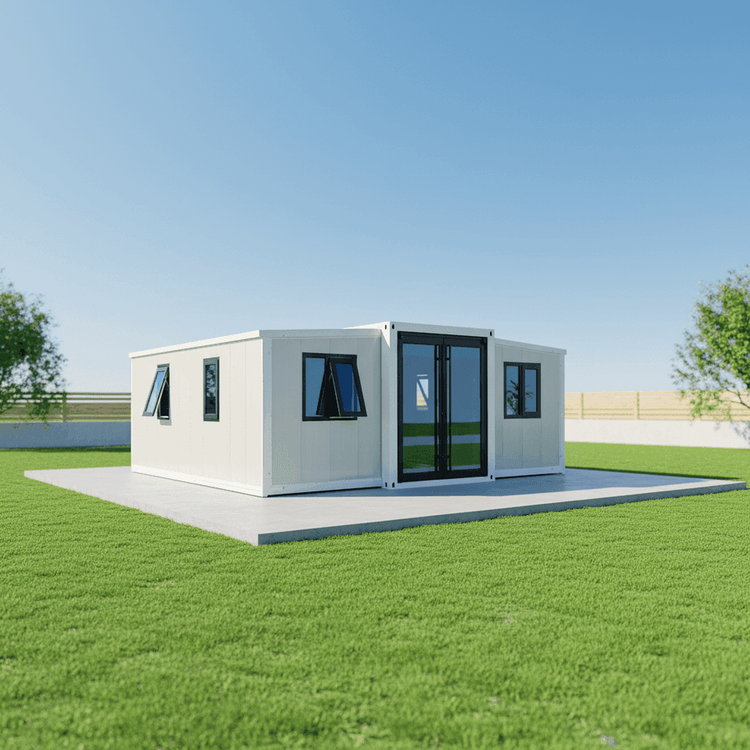
Baotou Prefabricated Integrated Cement House
Baotou prefabricated integrated cement houses mainly include two types: monolithic prefabricated cement houses and insulated prefabricated cement houses.
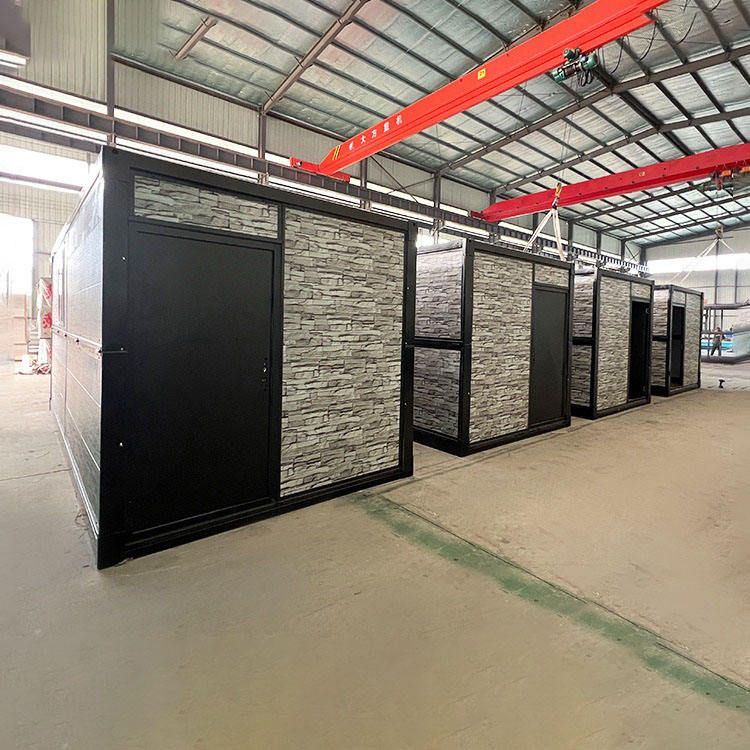
Monolithic Prefabricated Cement Houses
These belong to prefabricated assembled buildings. The main parts of the house, such as walls, floors, and roofs, are pre-cast in a professional factory using materials like cement and steel bars. After reaching the required strength, they are transported to the construction site and assembled into a complete house structure through reliable connection methods. The construction process covers stages such as design and planning, factory production, transportation and on-site preparation, on-site assembly and connection, and subsequent finishing work. They have the characteristics of fast construction speed; compared to the fully on-site casting construction method, the overall construction period is usually shortened; strong quality controllability; factory production allows for more precise control of key factors in a stable indoor environment, helping to reduce common quality issues; less environmental impact; reduced on-site wet work leads to a decrease in construction-stage building waste, dust, and noise pollution, and the prefabrication method also contributes to material savings; good structural integrity; through reliable technical means of connection, prefabricated components can form an overall load-bearing structure.
Insulated Prefabricated Cement Houses
These use cement as the main raw material. Walls, floors, and other components are prefabricated in a factory and then transported to the site for assembly. The structural composition includes load-bearing structures (prefabricated cement beams, columns, and floors), enclosure structures (wall panels and roof panels integrated with insulation materials such as polystyrene foam or rock wool), and connection nodes (using bolts or welding to combine prefabricated components). Embedding insulation layers at the design stage can effectively reduce heat transfer between the indoor and outdoor environments, which is of certain practicality for Baotou's climate characteristics of cold winters and hot summers. However, the insulation effect depends on the thickness and density of the materials as well as the construction quality. The construction process includes foundation preparation, component transportation, on-site hoisting, and node treatment. They are suitable for various scenarios such as temporary offices or warehouses in the industrial sector, greenhouses or storage rooms in agriculture, and simple housing in remote areas. When using them, it is necessary to purchase prefabricated components from regular channels to ensure that the materials meet relevant standards; on-site assembly should be carried out by professionals; and the insulation performance will decline slightly over time, requiring regular inspection and maintenance.
You may also like

Portable Toilet Custom Pricing: What You Need to Know
Read More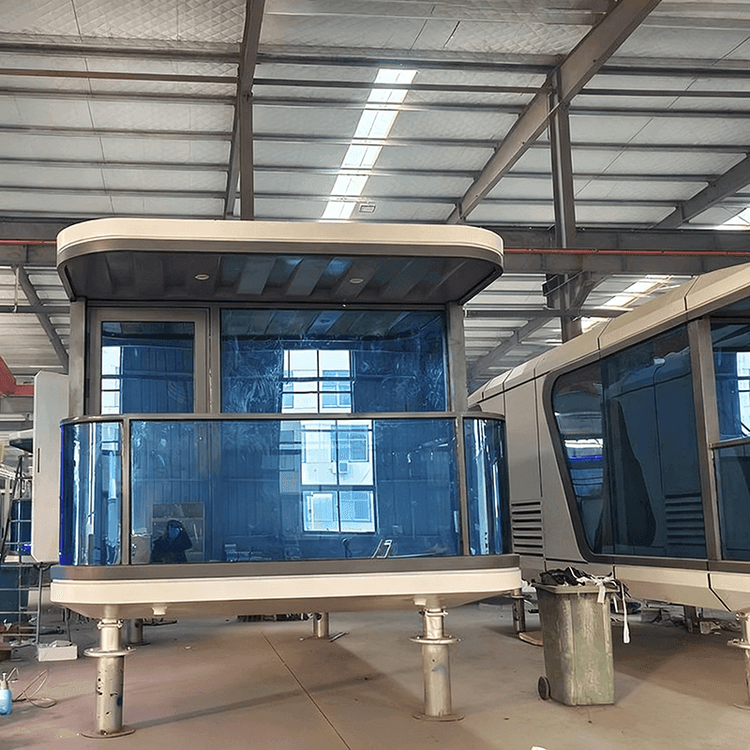
Standard Portable Toilet Eco-Friendly Specifications Dimensions: What to Know
Read More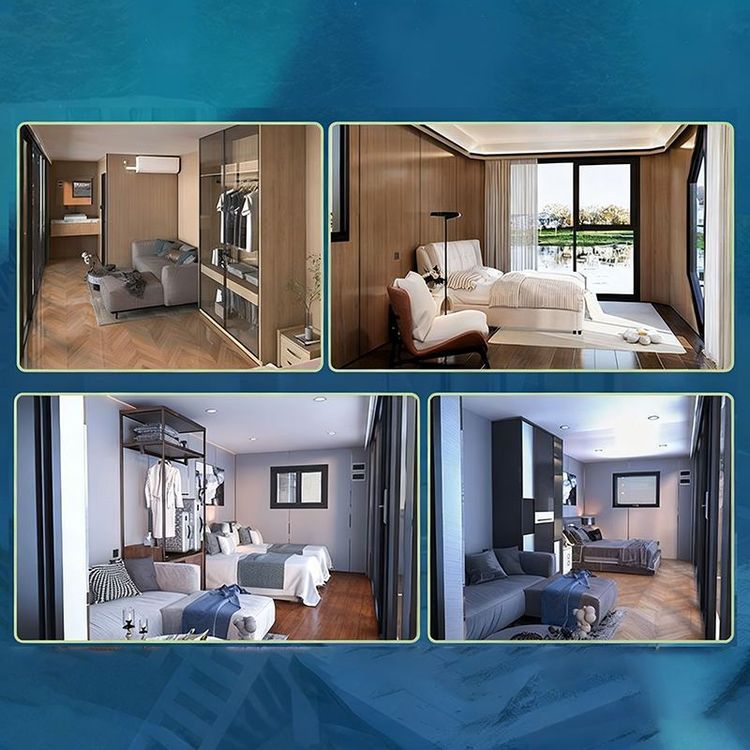
Portable Toilet Quality Buying Guide: Options & Tips
Read More