Baoji Mobile Toilet Installation and Dismantling
The installation and dismantling process of mobile toilets in Baoji is divided into two parts: installation and dismantling. The specific steps are as follows:

I. Installation Process
Site Location and Foundation Preparation
- Determine the installation location based on site planning and ground flatness. Ensure the ground is solid and drainage is smooth to prevent toilet tilting or water accumulation due to unstable foundations.
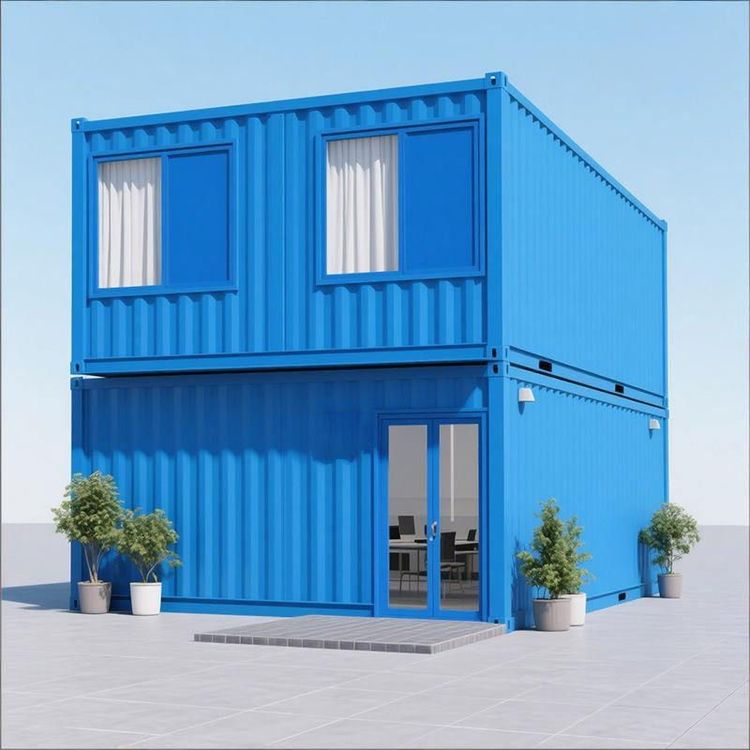
- For integrated mobile toilets (such as container-type toilets), plan the lifting path in advance to ensure the on-site space meets the equipment lifting requirements.
Chassis and Frame Positioning
- Use a forklift or manual labor to place the prefabricated chassis steadily at the predetermined location. Adjust the chassis levelness with a level gauge to prevent structural deviations during subsequent installation.
- For split-type toilets, secure the chassis first; for integrated toilets, proceed with overall lifting directly.
Wall and Roof Panel Installation
- Insert the wall panels into the chassis slots one by one and secure them with bolts or clips to ensure tight connections without gaps.
- Install the roof panel and perform sealing treatment. Pay special attention to checking the waterproof performance of the eaves and joints to prevent rainwater leakage.
Internal Facility Connection
- Install partitions, toilets, flushing systems, sinks (optional), and other facilities. Follow the principle of 'water in, electricity out' when connecting water and electricity pipelines to avoid cross interference.
- Ventilation equipment (such as exhaust fans) should be wired independently to ensure ventilation efficiency.
Function Inspection and Debugging
- Conduct flushing tests to check water flow pressure and drainage speed; test the electrical circuit to confirm that lighting and ventilation equipment are working properly.
- Sealing inspections should cover all joints. Use sealant for reinforcement if necessary.
Advantages of Integrated Toilets: The factory has completed interior decoration and equipment integration. On-site work only requires lifting, connecting water and electricity, and sewage pipelines, reducing installation time to 2-4 hours.
II. Dismantling Process
Disconnect Water, Electricity, and Sewage
- Turn off the main power and water valves, remove external wiring and sewage pipelines, clean the connections, and seal them with special plugs to prevent foreign objects from entering.
Remove Internal Facilities
- Carefully dismantle removable components such as partitions, toilets, and sinks. Package and label them by category to prevent damage during transportation.
Disassemble the Main Structure
- Remove the structure in the order of 'roof panel - wall panel - chassis'. Use professional tools to separate connectors and protect the edges of the panels from bumps.
- For integrated toilets, disconnect internal equipment first, then lift the entire unit away from the site.
Removal and Storage
- Stack the dismantled components neatly. The chassis should be padded flat to prevent deformation, and wall and roof panels should avoid heavy pressure.
- The storage environment should be dry and ventilated to prevent metal parts from rusting or panels from molding.
Efficiency Note: A skilled team can dismantle a standard split-type toilet in just 1-3 hours. Integrated toilets take even less time due to their simplified structure.