
Baiyin Scenic Spot Mobile Toilet Processing
The processing of mobile toilets in Baiyin scenic spots requires comprehensive consideration of multiple factors, including technology, processes, materials, structure, waste treatment, and maintenance management.
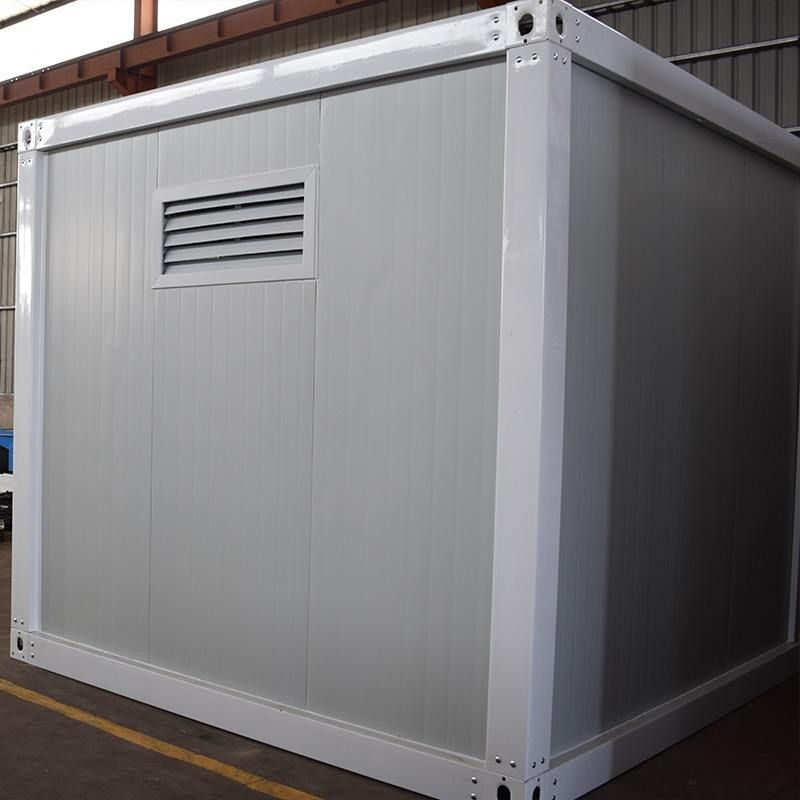
Technical Focus: Given the high-frequency and intermittent usage characteristics of scenic spots, it is essential to address equipment durability issues. This can be achieved through optimization in materials science and structural engineering to enhance the toilet's resistance to wear and corrosion. Simultaneously, it is necessary to balance environmental protection requirements with sanitation treatment needs by integrating waste treatment technologies such as physical separation and biodegradation to reduce environmental loads.
Production Process: Emphasis is placed on customized and modular design. Functional units (such as independent handwashing areas, barrier-free facilities, and sewage discharge modules) are rapidly combined based on the actual space, water and electricity conditions, and visitor flow of the scenic spot. This requires highly precise supply chain management and production processes to ensure compatibility and stability among modules.
Material Selection: Stainless steel and other materials with strong weather resistance and stable structures are commonly used. For example, specific models of sheet metal provided by Lanzhou Hongtaiyang Stainless Steel Co., Ltd. are used for the shell manufacturing of key structures or in scenic spots with harsh climates due to their corrosion resistance and ease of maintenance. Material selection should consider cost, lifespan, maintenance convenience, and aesthetic requirements.
Structural Design: Focus is placed on environmental adaptability and resource efficiency. The toilet body must meet requirements for strength, corrosion resistance, and thermal insulation; the internal space should be optimized based on ergonomics to improve usage efficiency and comfort; the ventilation system should combine passive air ducts with active exhaust to control odors; and energy supply should utilize photovoltaic panels and battery packs to achieve low-carbon operation of lighting and indication functions.
Waste Treatment: Independent operation is achieved through paths such as physical separation and biodegradation. For example, solid-liquid separation devices classify waste for treatment, with liquids undergoing membrane filtration or ecological adsorption for recycling or safe discharge, and solids being fermented with bacterial agents into humus for soil improvement of non-edible plants. The entire process is enclosed to block pathogen transmission.
Maintenance Management: A usage status monitoring system should be established to predict maintenance nodes through data analysis, reducing passive responses. Consumables such as biological agents and biodegradable bags should be replenished regularly, with the cycle influenced by usage frequency and ambient temperature; treatment units should be regularly cleared and disinfected as a whole to ensure hygiene and safety.
Baiyin City boasts professional mobile toilet manufacturers with the capacity for large-scale production (annual sales exceeding 10 million yuan, factory space exceeding 5,000 square meters, and over 86 employees). Products are manufactured according to standards, with complete testing equipment, support for nationwide logistics and distribution, and continuous research and development of new technologies to meet diverse needs.



