Design of Mobile Toilets in Baiyin Scenic Area
The design of mobile toilets in Baiyin Scenic Area focuses on modularity, ecology, and intelligence, while also considering environmental adaptability and resource recycling. The specific features are as follows:

1. Relocatable Characteristics and Modular Design
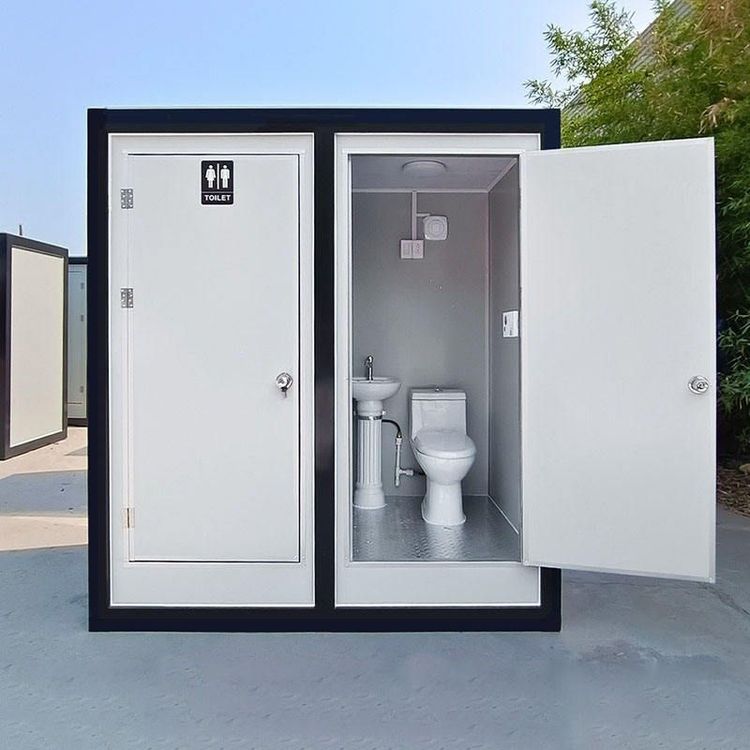
Mobile toilets are integrated based on standardized modules, including treatment units (the core of waste treatment), storage and transportation units (for waste storage and transfer), and functional units (such as toilet spaces and handwashing stations). Each unit is quickly coupled through prefabricated interfaces, eliminating the need for underground pipelines and providing complete sanitation services independently. The modular design supports rapid assembly and disassembly, adapting to the dynamic needs of different areas within the scenic area, such as temporary additions during holidays or layout adjustments during the off-season.
2. Waste Treatment and Resource Conversion
Physical separation, biodegradation, and chemical stabilization technologies are employed for on-site waste treatment:
- Solid-Liquid Separation: Waste is separated into liquid and solid components through a分级 (grading) device. The liquid undergoes membrane filtration or ecological adsorption (e.g., activated carbon, plant fibers) to meet safety standards for discharge or recycling for toilet flushing. The solid is treated with bacterial agents for aerobic fermentation, ultimately producing humus that can be used for soil improvement for non-edible plants.
- Closed Treatment: The entire process occurs within a closed system, blocking pathogen transmission and reducing odors and environmental pollution.
3. Structural Design and Environmental Adaptation
- Material Selection: The toilet body uses metal composite panels (exterior walls) and polymer materials (interior compartments), balancing lightweight construction, corrosion resistance, and ease of transportation. The insulation layer adapts to high altitudes and extreme climates, preventing interruptions in the biological treatment process due to temperature fluctuations.
- Energy Supply: Reliant on solar panels and battery packs, it provides power for lighting, ventilation, and control systems, ensuring continuous operation in areas without grid access.
- Ventilation System: Combines passive air ducts (utilizing natural airflow) with active ventilation (mechanical fans) to control odors and maintain air circulation.
- Ergonomics: The internal space layout is optimized to enhance usage efficiency and comfort within limited areas.
4. Maintenance Management and Intelligent Monitoring
- Periodic Maintenance: Includes operational status monitoring (e.g., sensors providing real-time equipment data), consumable replenishment (bacterial agents, biodegradable membrane bags, etc.), treatment unit evacuation, and overall disinfection.
- Data-Driven Decision-Making: By monitoring parameters such as the pH and humidity of the fermentation tank, maintenance points can be predicted to avoid reactive fault responses. The microbial treatment unit maintains bacterial activity by adjusting the carbon-to-nitrogen ratio, ensuring decomposition efficiency.
5. Location Selection and Ecological Considerations
- Geological and Flow Analysis: Site selection requires surveying groundwater levels to avoid seepage risks. Treatment unit capacity is configured based on tourist flow, and path analysis optimizes barrier-free access settings.
- Waste Transportation and Vegetation Restoration: The distance for waste transportation is calculated, and areas for vegetation restoration are reserved to balance functional needs with ecological protection.
6. Compliant Utilization of Treatment Products
Solid fermentation products must undergo third-party testing to confirm that heavy metal content and pathogen indicators meet agricultural standards before use. Liquid treatment results must meet irrigation reuse standards, and a complete material balance report is formed to ensure safe and controlled resource recycling.