
Baisha Intelligent Mobile Toilet Processing
The processing of Baisha intelligent mobile toilets typically involves modular design, industrial production processes, and the application of environmental protection technologies, with specific processing steps tailored to general technical processes and customized requirements.
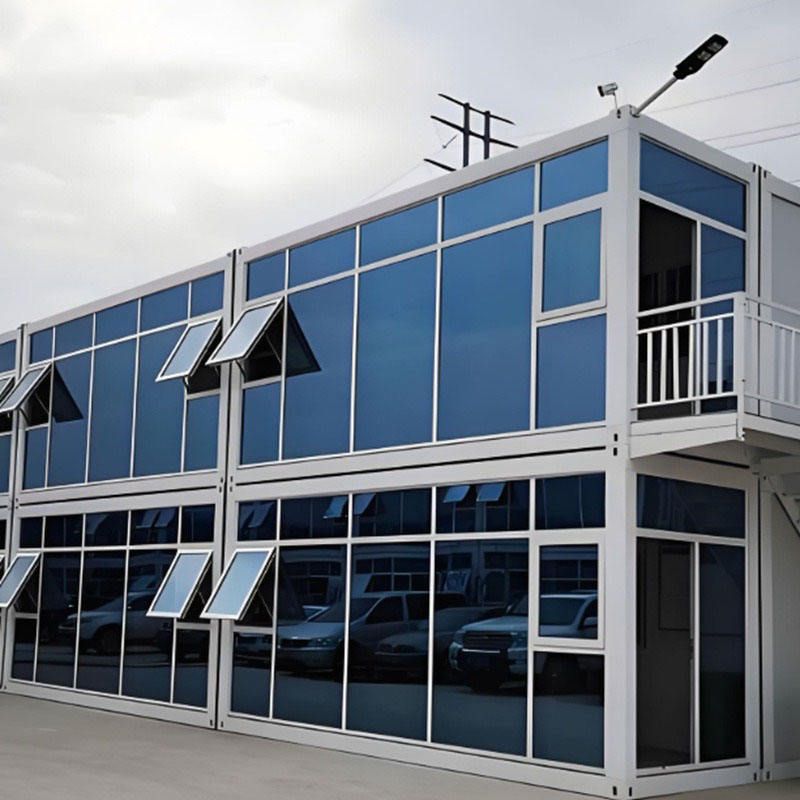
I. Core Processing Procedures
The processing of intelligent mobile toilets is based on modular design and completed through industrial production processes. Raw material processing is the initial step, where steel materials undergo cutting, welding, and anti-rust treatments (such as hot-dip galvanizing or spraying anti-corrosion paint) to ensure structural strength and durability; plastic components (such as outer shells and fecal storage tanks) are produced through injection molding processes to ensure airtightness and lightweight properties. Modular assembly is a crucial step, where processed raw materials are divided into functional modules, including structural frameworks, sanitary units (such as toilets and sinks), and environmental protection systems (such as biodegradation devices and solar panels). These modules are then connected through standardized interfaces to enable rapid installation and disassembly. The application of environmental protection technologies is the core of intelligence, for example, using biodegradation technology to treat excreta and reduce sewage discharge; solar power systems provide energy for lighting and ventilation equipment, reducing energy consumption; some high-end models are also equipped with intelligent monitoring systems to provide real-time feedback on usage status and maintenance requirements.
II. Customized Service Support
Processing plants can adjust design parameters according to user needs. In terms of spatial layout, the internal structure can be optimized for different scenarios (such as tourist attractions, construction sites, and temporary events), for example, by adding barrier-free facilities, maternal and child care stations, or multi-person simultaneous use functions; in terms of climate adaptability, insulation layers are reinforced in cold regions, moisture-proof materials are used in humid regions, and ventilation systems are optimized in high-temperature regions to ensure the stability of the equipment in different environments. Additionally, the appearance color and logos can also be customized according to the usage scenario to enhance harmony with the surrounding environment.
III. Information on Processing Plants in Baisha Area
For specific information on processing plants in the Baisha area, refer to resources from suppliers of tourist toilets or environmental protection toilets. For example, some enterprises specialize in the research and development and production of mobile toilets, providing one-stop services from design and processing to installation, and supporting nationwide delivery and after-sales maintenance. Users can obtain contact information through industry exhibitions, corporate websites, or environmental protection equipment procurement platforms to further inquire about processing capabilities, cases, and quotations.



