Aviation Container House
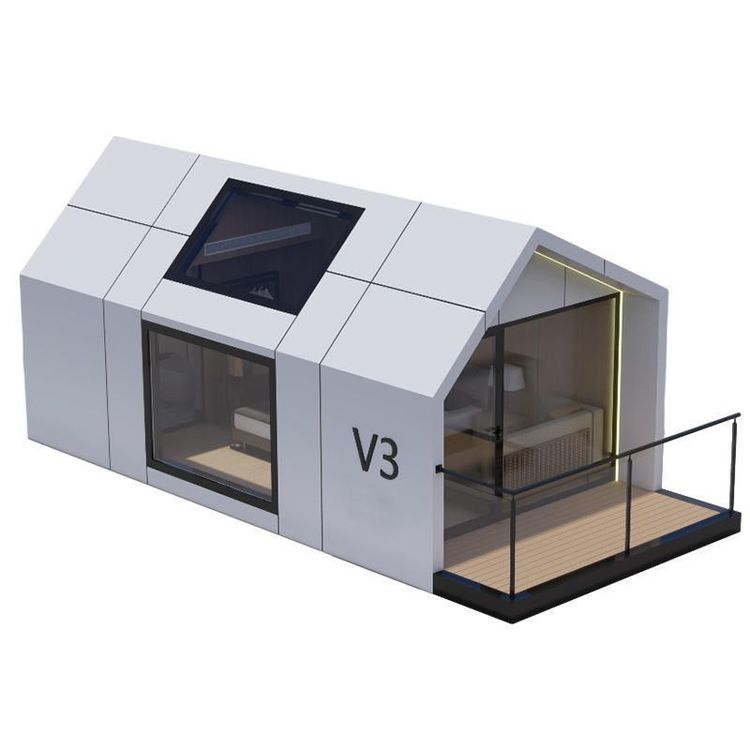
An aviation container house generally refers to a movable modular building that is either transformed from or directly designed using aviation transport containers. However, the current mainstream products in the market are mainly shipping container houses, whose designs and functions differ from those of aviation logistics characteristics, and adjustments are required according to actual needs in practical applications.

I. Potential Definition and Design Features of Aviation Container Houses
If an aviation container house is transformed from an aviation cargo container, it needs to meet the standard dimensions of the International Air Transport Association (IATA), such as LD series containers. Its core features include:
- Lightweight Structure: Aviation containers usually adopt aluminum alloys or high-strength composite materials to reduce their own weight and improve load-carrying efficiency. When transformed into houses, a balance needs to be struck between structural strength and residential safety.
- Modular Design: The standardized dimensions of aviation containers (e.g., LD3 is 6.06 meters long, 2.44 meters wide, and 2.44 meters high) facilitate quick splicing and expansion, making them suitable for scenarios such as temporary housing and emergency rescue.
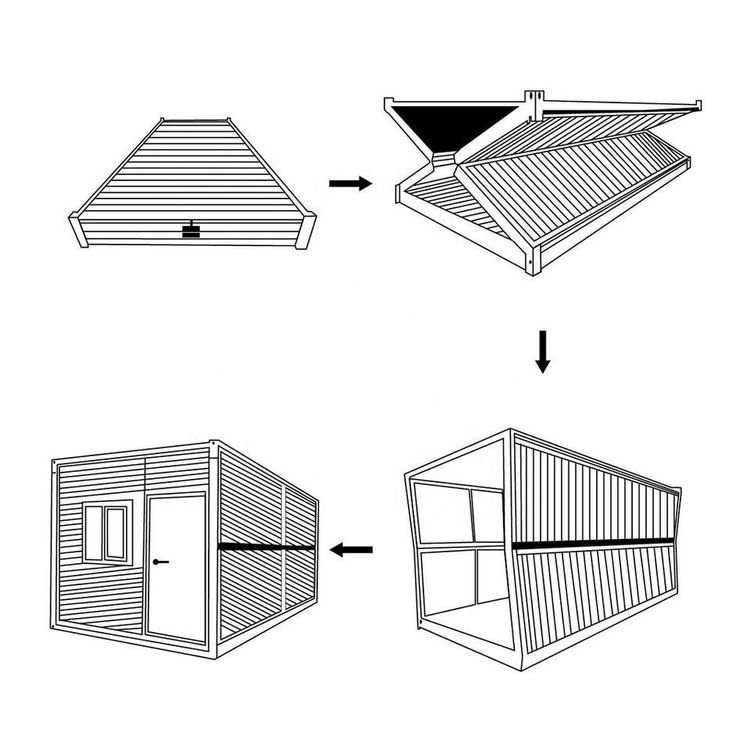
- Rapid Deployment Capability: Referring to the manufacturing process of shipping container houses, aviation container houses can be prefabricated in factories with structures, water and electricity pipelines, and interior decorations, and can be used immediately after on-site hoisting, shortening the construction period.
II. Mainstream Products in the Market Are Mainly Shipping Container Houses
Currently, there are relatively few products related to “aviation container houses” in the market, and the actual ones are mainly shipping container houses, whose design logic shares some commonalities with that of aviation containers:
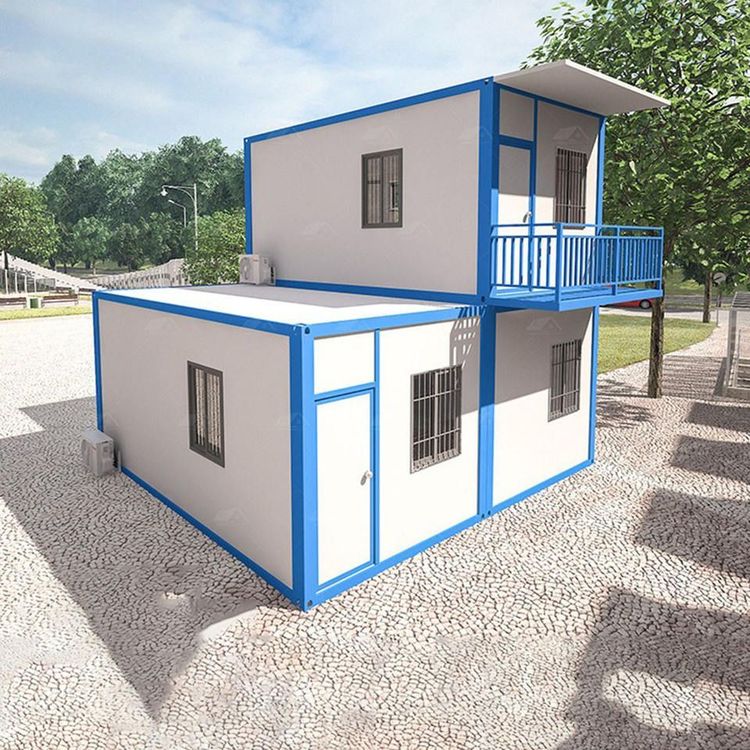
- Materials and Processes: Most of them adopt hot-dip galvanized cold-formed steel frames paired with fire-resistant polyurethane sandwich panel walls, which have thermal insulation, fire prevention, and moisture resistance properties. Some products undergo trial assembly to ensure component matching.
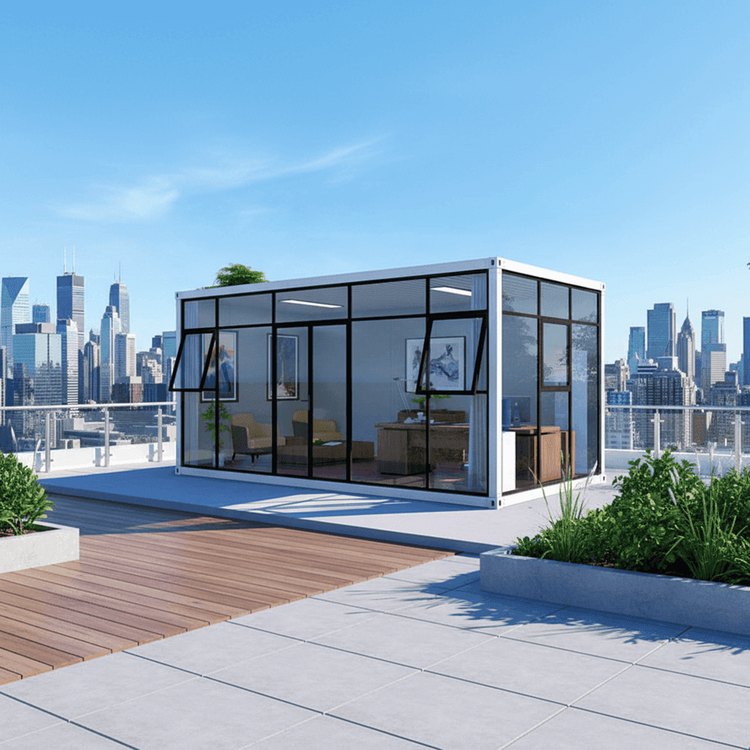
- Customized Functions: According to their uses, they are divided into types such as construction site dormitories, cultural and tourism homestays, and emergency housing. Internally, they can be equipped with modules such as bedrooms, kitchens, and bathrooms. Some products support environmentally friendly functions such as solar power supply and rainwater collection.
- Cost and Efficiency Advantages: Mass production reduces the unit price (e.g., a 20-foot container house starts at around 30,000 yuan). The modular design supports repeated disassembly and assembly, making it suitable for long-term turnover use.
III. Practical Application Challenges of Aviation Container Houses
If an aviation container is strictly required to be transformed into a house, the following issues need to be addressed:
- Size Limitations: The interior space of aviation containers is relatively small, and it is necessary to expand the living area through multi-layer stacking or combination, which may increase the structural complexity.
- Certification and Regulations: The transformation of aviation containers needs to comply with building safety standards (such as fire prevention and earthquake resistance), and some countries may require additional certifications.
- Market Supply and Demand: The production volume of aviation containers is far lower than that of shipping containers, and the customization cost is relatively high. Currently, they are more widely used in special fields such as the military and scientific research.