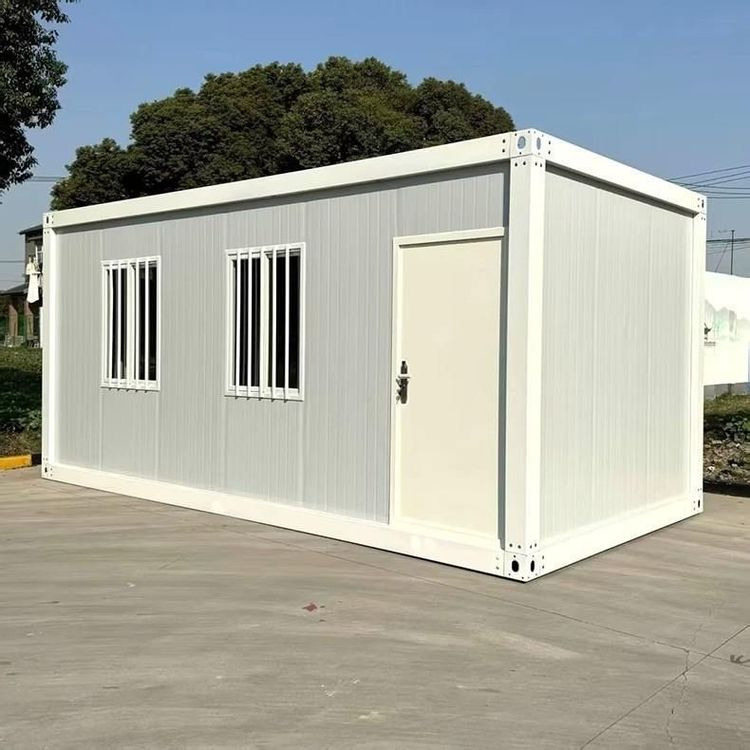
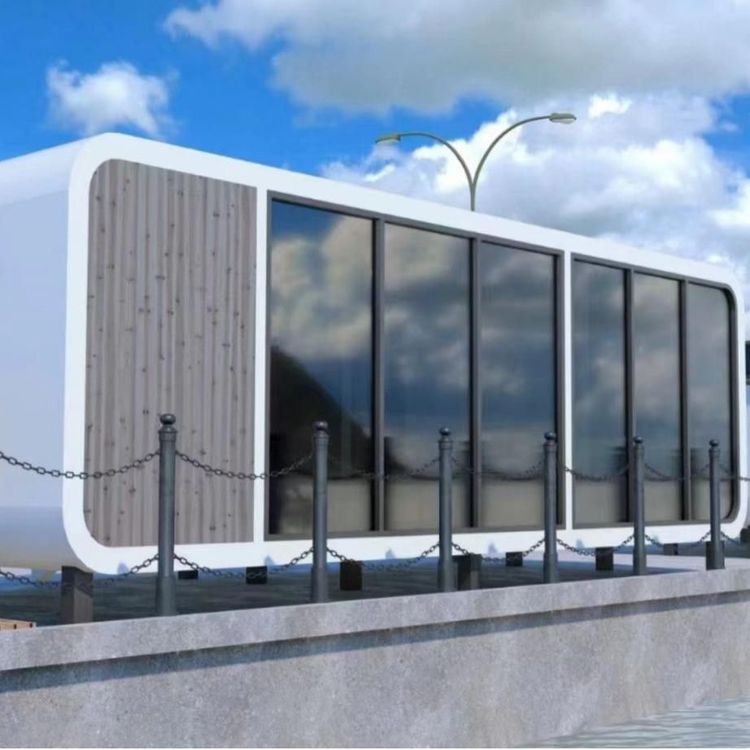
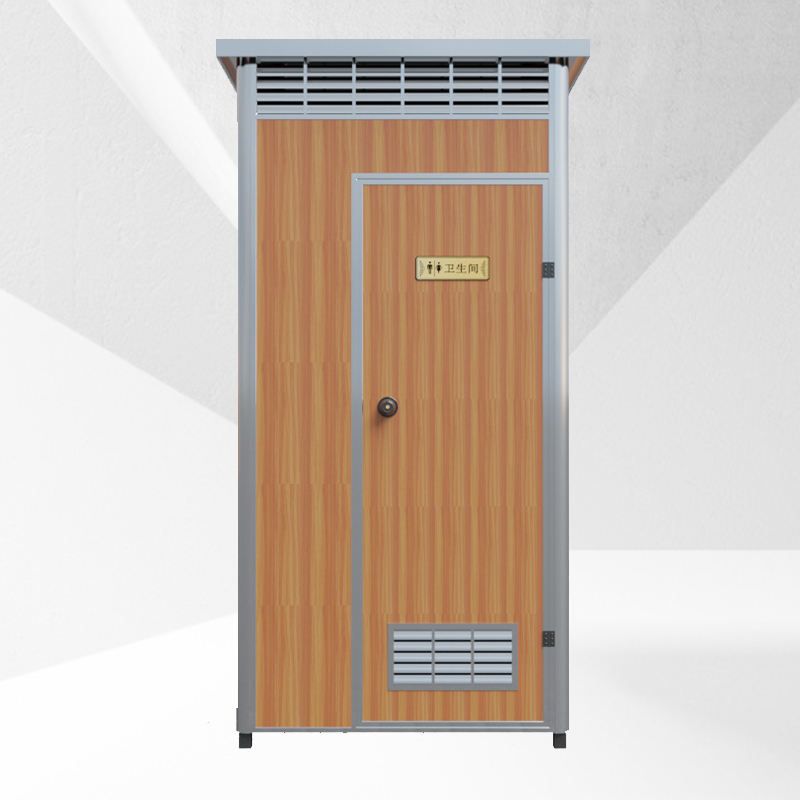
Automatic Disinfection Mobile Toilet
The automatic disinfection mobile toilet is an application form of smart public toilets, achieving unattended automatic disinfection functions through technologies such as the Internet of Things (IoT) and automated control. Its core features and values can be elaborated from the following aspects:
1. Technological Implementation and Disinfection Methods
The automatic disinfection mobile toilet relies on IoT technology to build an intelligent management system that monitors real-time data such as toilet stall usage status and air quality (e.g., ammonia and hydrogen sulfide concentrations). It completes disinfection operations through the联动 (coordinated action) of automated equipment. Typical disinfection technologies include ultraviolet disinfection and mist disinfection:
- Ultraviolet Disinfection: For example, the fully automated disinfection public toilet in Minyuan Square, Heping District, Tianjin, automatically initiates two ultraviolet disinfection procedures before and after toilet use, each lasting approximately 30 seconds. These procedures cover high-frequency contact areas such as the inside of the toilet bowl and door handles, without requiring manual intervention throughout the process.
- Mist Disinfection: Some products integrate mist modules that automatically spray chlorine-containing or quaternary ammonium salt-based disinfectants after the toilet lid is closed, combined with drying functions to achieve disinfection without dead zones. For instance, disinfecting toilets utilize infrared sensing technology to immediately initiate the disinfection process upon detecting that the user has left, ensuring hygiene and safety before the next use.
2. Functional Integration and Modular Design
Such toilets are typically equipped with integrated systems for lighting, deodorization, and disinfection, supporting modular optional functions to adapt to different scenario requirements:
- Smart Lighting: Automatically adjusts brightness based on light intensity or human presence detection, reducing energy consumption.
- Air Purification: Removes odors through negative ion generators or activated carbon filtration devices, improving air quality in conjunction with disinfection procedures.
- Modular Expansion: Users can select optional features such as maternal and child care stations, barrier-free facilities, or emergency call devices according to their needs, enhancing usability convenience.
3. Core Value and Application Scenarios
The automatic disinfection mobile toilet significantly improves public health management efficiency through technological empowerment:
- Reduced Labor Costs: No dedicated personnel are required for attendance, minimizing cleaning frequency and labor investment, especially suitable for high-traffic areas such as scenic spots and transportation hubs.
- Health Protection: During periods of high infectious disease prevalence or emergency scenarios (e.g., after natural disasters), automated disinfection can quickly block pathogen transmission pathways, safeguarding user safety.
- Data-Driven Management: The intelligent system records data such as usage frequency and disinfection times, providing a basis for operators to optimize resource allocation, such as dynamically adjusting cleaning cycles or disinfectant usage.
4. Typical Cases and Technological Innovations
The practice in Minyuan Square, Tianjin, demonstrates that fully automated disinfection public toilets can achieve hundreds of daily high-frequency disinfections, with ultraviolet disinfection efficiency increased by approximately 80% compared to traditional manual wiping. Additionally, some companies are developing AI vision-based disinfection systems that use cameras to assess dirt levels and adjust disinfection intensity, further achieving precise operation and maintenance.