
Australia's Prefabricated Housing
Australia's prefabricated housing is developing rapidly and innovatively, primarily reflected in efficient construction, diverse designs, policy support, international cooperation, industry expansion, and increased market acceptance.
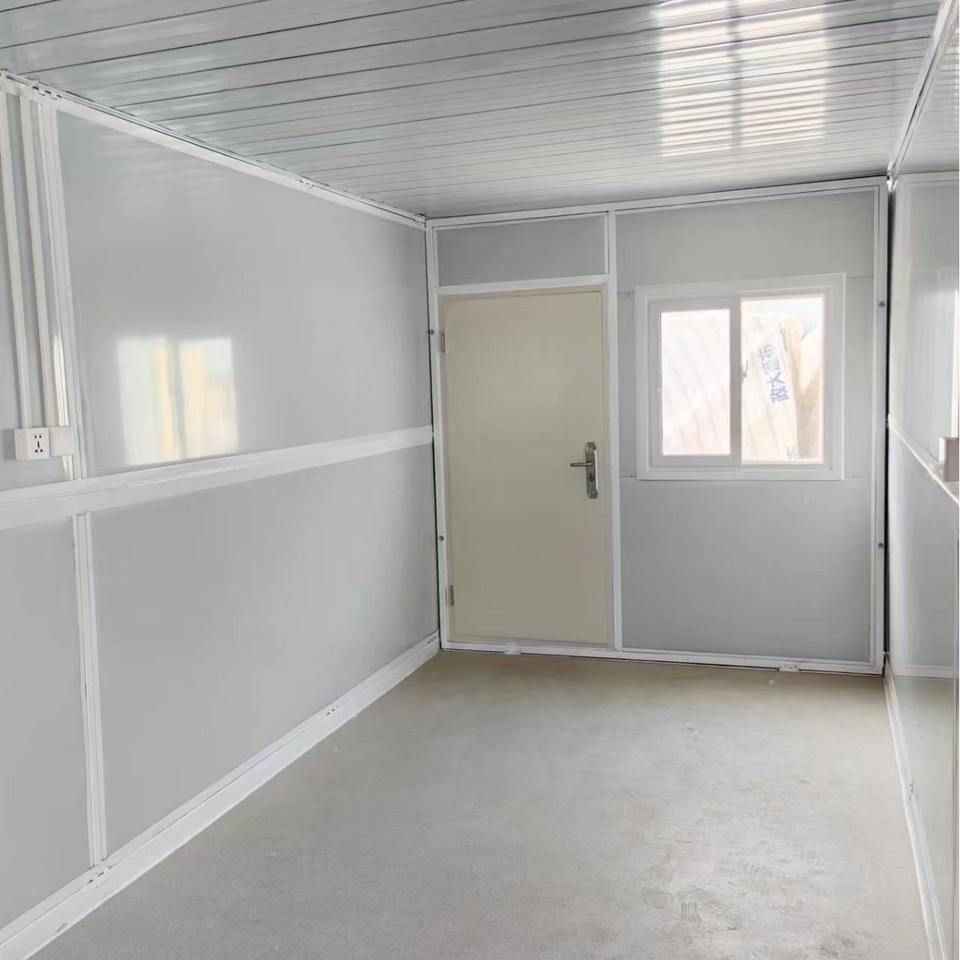
In terms of efficient construction, projects in Australia have achieved the completion of the main structure of a 15-story building within 48 hours. By transporting and lifting prefabricated concrete modules, construction periods are significantly shortened, and on-site labor requirements are reduced. For example, the Enclave project on the Gold Coast uses 68-ton prefabricated modules, combined with logistics planning such as police escorts and road closures, further enhancing construction efficiency.
Regarding design diversity, prefabricated housing offers a wide range of types, from vacation homes to full-sized family residences. Archiblox's Clydesdale house employs passive design for ventilation and energy efficiency; Ecoliv's houses integrate ocean views with insulation measures to optimize heat dissipation; Modscape provides modular expansion solutions, such as two-story curved wooden screen designs, to meet personalized needs.
In terms of policy support, the federal government has invested 39.3 million Australian dollars in pilot projects to promote modular construction, developing a standardized 'kit of parts' system. Drawing on Swedish experience, the proportion of prefabricated components has been increased from 5% to a higher level, and the adoption of this technology in social housing is being promoted to reduce costs.
Regarding international cooperation, prefabricated houses manufactured in China have been implemented in Melbourne. Walls, bathrooms, and other modules are produced in factories and assembled on-site into double-story townhouses, shortening the delivery period to 4 months. The quality is comparable to traditional construction, with prices around 700,000 to 750,000 Australian dollars.
In terms of industry expansion, a 50,000-square-meter modular factory in Yatala, Queensland, is expected to operate by 2027, with an annual production capacity of 2,000 units, driving industrialization in construction. Meanwhile, Australian companies such as Belmore Home and Prebuilt offer minimalist designs or green construction solutions to meet different needs.
Regarding market acceptance, despite concerns about quality and ease of renovation, prefabricated housing is gradually gaining recognition due to its short construction period and low cost (e.g., prices in Melbourne projects are similar to those of traditional homes), with some projects already sold out. Policy support and technological advancements also provide guarantees for its development.



