Australia's Popular Prefab Houses
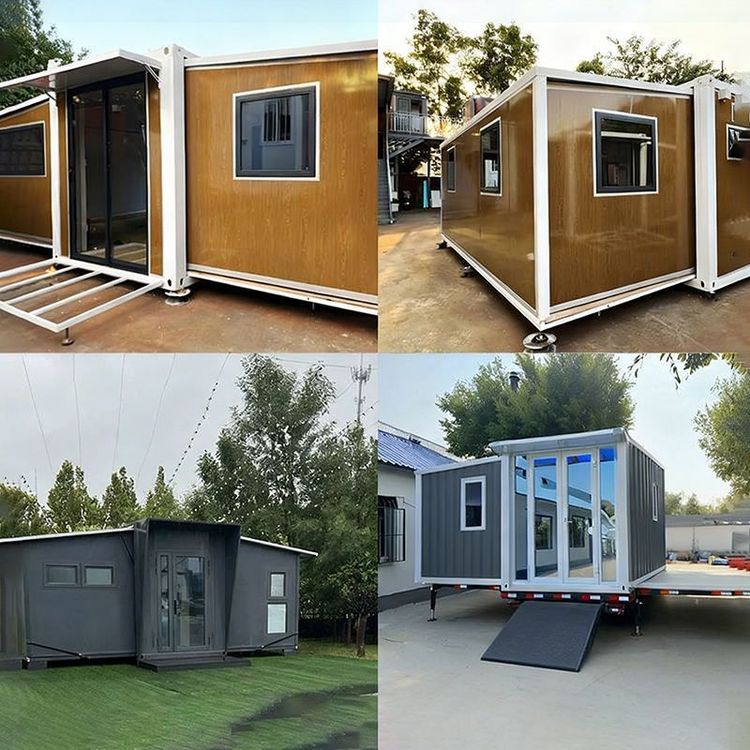
Australia's popular prefab houses focus on innovative design, eco-friendly materials, and efficient construction, covering various types such as holiday homes, modular extensions, and minimalist residences, meeting diverse needs and gaining widespread popularity.

1. Representative Cases Combining Holidays and Environmental Protection
Archiblox's Clydesdale house in San Remo adopts passive design, optimizing window orientation for cross-ventilation while maintaining a sturdy appearance and elegant interior. Prebuilt's St Andrews Beach House is embedded in sand dunes, using recycled timber and water-saving plumbing fittings to provide an immersive holiday experience through green construction methods. Ecoliv's delivered houses combine sea views with swimming pools, achieving year-round efficient heat dissipation through glass layout, orientation selection, and insulation measures, meeting environmental and sustainability needs.
2. Typical Practices of Modular and Rapid Construction
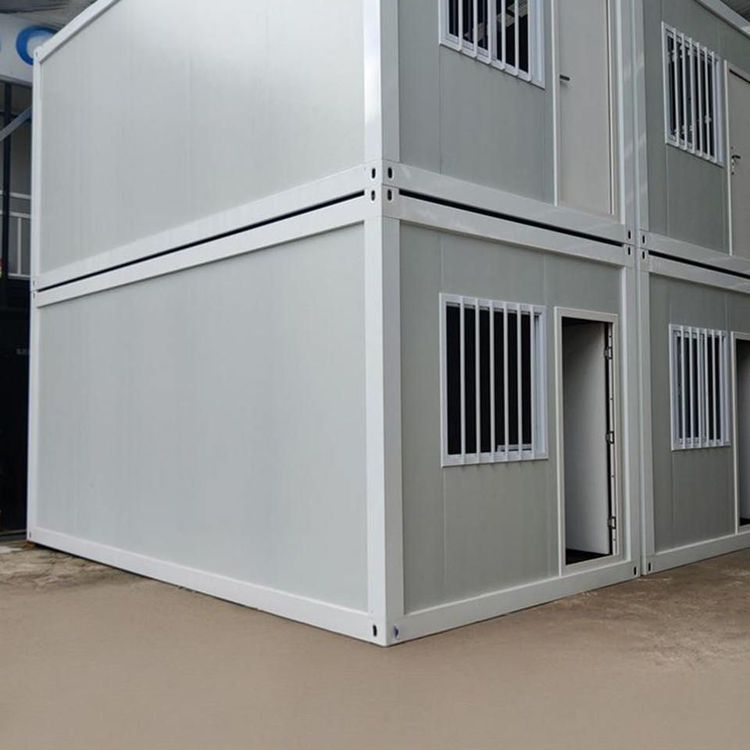
Modscape's modular extension houses feature a two-story design with a curved upper structure and wooden screens forming a visual focal point, suitable for extending existing residences. JBM Modular Housing combines factory prefabrication with on-site assembly, achieving rapid delivery in 32 days (with only 2 days for on-site installation) and having the capacity to start construction on 32 houses simultaneously, significantly shortening the construction period. Kapitol imports 10,000 modular units from China annually, applying them to affordable housing, student apartments, and hotel projects, reducing costs by 10% and shortening the construction period by 35%, demonstrating the advantages of a global supply chain.
3. Breakthroughs in Minimalist Design and Space Efficiency
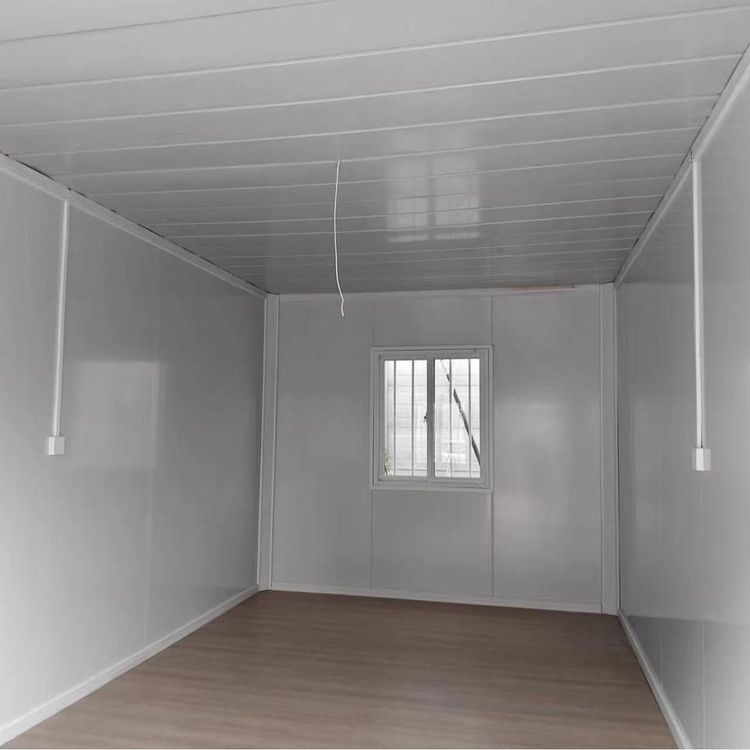
Belmore Home's minimalist prefab houses feature open layouts and high ceilings, enhancing living comfort through optimized space utilization. Such designs abandon redundant decorations, focusing on the balance between functionality and aesthetics, aligning with modern living trends.
4. Market Response and Industry Impact
The above cases reduce environmental loads through technological innovations (such as passive design and modular technology) and material optimization (recycled timber, water-saving fittings), while meeting the Australian market's demand for efficient construction, personalized design, and sustainability. Some projects, in short supply, drive the penetration of prefab houses from temporary housing to the mainstream residential market, becoming an important direction for the transformation of the construction industry.
Summary of Core Advantages: Australia's popular prefab houses achieve a balance between cost, construction period, and quality through standardized modular production, the application of eco-friendly materials, and intelligent design, providing a replicable successful model for the global prefab construction field.