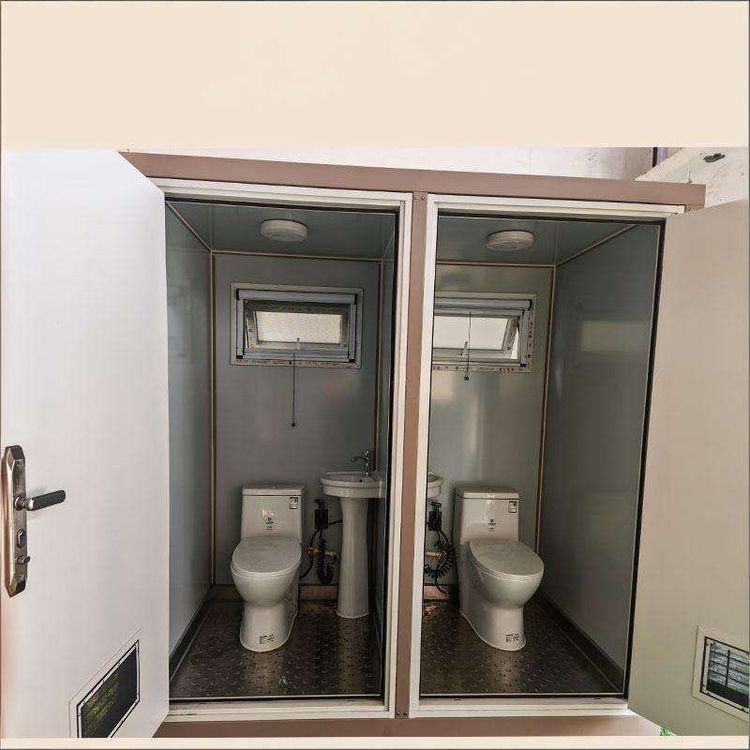
Assembly of Mobile Toilet Vehicles
The assembly of mobile toilet vehicles requires selecting the appropriate method based on the specific type. Common types include vacuum bus toilets and waterless mobile toilets, with the following assembly key points:

Vacuum Bus Toilets (Taking products from Sichuan Zhongheng Yuantai Environmental Technology Co., Ltd. as an example)
This type adopts a modular design, with the core structure consisting of a bus-style chassis paired with an intelligent control system. The assembly focuses on module docking and system debugging.
- Chassis and Module Docking: Ensure that the load-bearing structure of the bus chassis matches the interface dimensions of the toilet functional modules (such as vacuum collection systems and sewage treatment units). Secure them with high-strength bolts or hydraulic locking devices to prevent loosening during operation.
- Intelligent System Integration: The intelligent control system needs to be connected to hardware such as vacuum pumps, sensors, and power modules. During debugging, verify the stability of data transmission (such as liquid level monitoring and pressure control signals) to ensure that the system's automatic operation error rate is below 5%.
- Efficiency Optimization: The modular design improves installation and maintenance efficiency by 90%. However, regularly check the wear of seals (such as rubber rings in vacuum pipes) to prevent leaks that could affect system performance.
Waterless Mobile Toilets
These toilets are supported by steel/aluminum alloy frames and integrate degradation or packaging functions internally. Assembly must strictly follow design specifications.
- Frame and Skin Installation: Steel frames need to be welded firmly, while aluminum alloy frames use bolt connections. The skin material (fiberglass, stainless steel) must fit snugly against the frame, with gaps sealed with waterproof glue to prevent rainwater infiltration.
- Key Component Assembly:
- Degradation Type: The degradation tank needs to be filled with wood shavings or coconut shell fibers as a carrier for bacteria, with the filling amount reaching at least 80% of the design capacity. The agitator and temperature control system must be installed simultaneously to ensure that the bacterial activity temperature is maintained between 25-35°C.
- Packaging Type: When installing the film roll, check the tension of the biodegradable plastic to avoid jamming or breaking. The exhaust pipe must be inclined at an angle of more than 5° to prevent condensed water from flowing back.
- Control Panel Debugging: Test the stability of the power supply (such as whether the output voltage of the solar panel matches), the response time of the operation buttons (≤0.5 seconds), and set fault alarm thresholds (such as over-temperature alarms for the degradation tank).
General Precautions
Regardless of the type, check the parts list before assembly to avoid missing components. After completion, conduct a load test (such as simulating 20 people using it simultaneously) to verify structural stability and system reliability.