
Assembly Mobile Toilet
Prefabricated mobile toilets are the preferred facilities for scenic spots, parks, campsites, and other locations, offering significant advantages such as customizability, mobility, and ease of transportation.
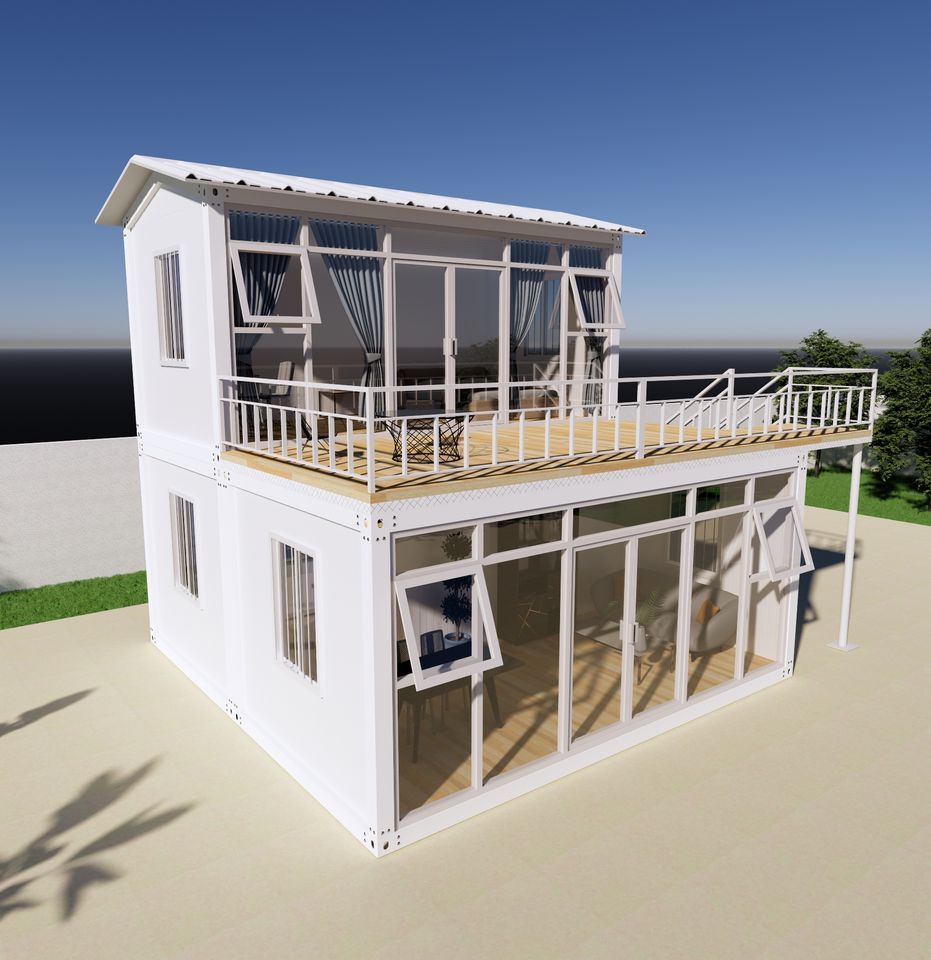
I. Size and Layout The size and layout of prefabricated mobile toilets can be flexibly customized according to actual needs. For example, some models cover an area of 27 square meters and are internally divided into functional areas such as women's restrooms and third restrooms to meet the needs of different groups. Its design is centered around modularity, allowing the finished product to be put into use simply by connecting pipes on-site after leaving the factory, greatly shortening the construction cycle. Additionally, there are seven-shaped toilets measuring 10 meters in length and 3 meters in width, which use thermal insulation exterior wall materials and marble countertops, balancing practicality and aesthetics.
II. Structure and Materials The main structure typically uses materials such as square steel or metal carved panels to ensure stability and durability. The exterior wall materials focus on functionality and environmental protection, such as thermal insulation layers that can adapt to extreme weather conditions, and metal carved panels that offer both corrosion resistance and decorative effects. The internal configuration includes modules such as fecal sewage storage tanks (or disposal devices), flooring, sanitary ware, walls, washing equipment, water tanks, and roofs. Some high-end models are also equipped with intelligent ventilation systems or energy-saving lighting equipment.
III. Classification and Functions
- By structural form: They are divided into single-unit structures (independent units) and composite structures (multi-module combinations), with the latter allowing for expansion of usable area through splicing.
- By mobility method: They include lifting types (requiring lifting equipment), handling types (manual or mechanical handling), and powered trailer types (towable for movement), adapting to different terrains and transportation conditions.
- By sewage treatment method: They cover flush types (requiring a water connection), waterless flush suction types (relying on vacuum suction), circulating water flush types (sewage purification and reuse), and dry packing types (fecal sealing and collection). Among them, the dry packing type is often used in remote areas or temporary event venues due to its lack of need for water and electricity support.
IV. Core Advantages The greatest features of prefabricated mobile toilets lie in their mobility and reusability. Modular design allows for rapid disassembly and assembly as well as transportation, enabling flexible deployment in scenarios such as temporary exhibitions and disaster relief sites. Additionally, their environmental performance is outstanding, with circulating water flush and dry packing technologies significantly reducing water consumption and pollution emissions, aligning with sustainable development concepts.



