Assembled Packaged Mobile Toilet
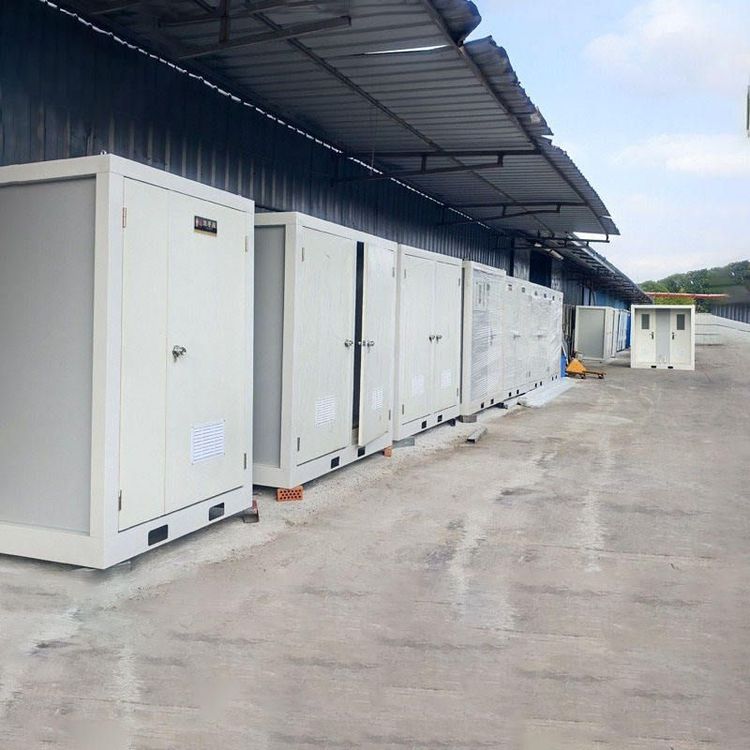
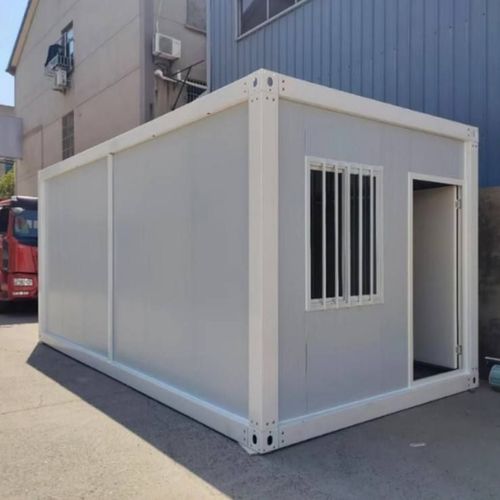
The assembled packaged mobile toilet is an environmentally friendly facility that requires no infrastructure construction, no water flushing, and has a closed system for waste packaging. It is suitable for construction sites, outdoor scenic spots, temporary large-scale events, and other scenarios. The following is an introduction from the aspects of features, technical routes, manufacturing processes, customization capabilities, and procurement pain points:

Features
The assembled design solves transportation challenges. For example, products from Dezhou Hongtu Metal Products Co., Ltd. can be disassembled for transportation and then assembled on-site into a complete unit, reducing logistics costs. Its water-free flushing feature eliminates the dependence on sewer pipes in traditional toilets, and waste is treated through a closed system, reducing environmental pollution.
Technical Routes
There are three mainstream technical routes:
- Packing Bag Type: Uses biodegradable plastic bags to seal waste. It is simple to operate and has a relatively low cost, making it suitable for short-term events or scenarios with a small flow of people.
- Microbial Degradation Type: Utilizes specific bacterial strains to decompose waste, achieving zero emissions. It has outstanding environmental performance but requires regular maintenance of bacterial activity, making it suitable for scenic spots with high environmental requirements or long-term projects.
- Foam Blocking Type: Uses a small amount of water mixed with foam for lubrication and blocking. It saves water and has good odor control, making it suitable for water-scarce areas or high-frequency usage scenarios.
Enterprises such as Dezhou Muda Machinery Equipment Co., Ltd. can provide multiple technical solutions simultaneously, matching them flexibly according to site conditions, usage frequency, and environmental requirements.
Manufacturing Process
The service life of the equipment is significantly affected by the manufacturing process:
- The main structure is made of thickened galvanized steel to enhance corrosion resistance.
- The exterior wall uses high-quality fiberglass-reinforced plastic to improve weather resistance.
- The welding points are treated with anti-corrosion measures to prevent rusting after long-term outdoor use.
Regular manufacturers are equipped with intelligent laser cutting machines, CNC bending machines, and other equipment to ensure processing accuracy and consistency, far surpassing manual workshops, thereby extending the service life of the equipment.
Customization Capabilities
Manufacturers can provide full-dimensional customization according to needs:
- In terms of appearance, scenic spots can design an antique style to blend into the environment.
- In terms of functions, construction sites can increase pipe diameters to prevent blockages, and high-altitude areas can add freeze-proof designs.
- In terms of additional components, odor removal systems, handwashing stations, sensing devices, or barrier-free facilities can be added to meet diverse scenario requirements.
Procurement Pain Points
- Technical Differentiation: Tightening environmental policies drive technological upgrades, but different manufacturers have significant differences in technical routes, plate thickness, and processes, with price ranges spanning from thousands to tens of thousands of yuan. It is necessary to avoid the trap of 'low price, low quality'.
- Procurement Misconceptions:
- Focusing only on price while ignoring scenario adaptability, such as not choosing durable equipment for high-frequency usage scenarios.
- Trusting renderings blindly, as the actual delivered products may have thin plates, rough welding, and other issues.
- Ignoring the after-sales response radius. If equipment failures cannot be repaired in a timely manner, it will affect events or project schedules.
- Failing to confirm environmental compliance. Some regions have specific requirements for waste treatment, and non-compliance may result in penalties.