
Assembled Mobile Single Toilet
An assembled mobile single toilet is a facility that can be moved as a whole and is suitable for fixed or temporary demand locations, commonly found in stations, docks, tourist attractions, and other scenarios.
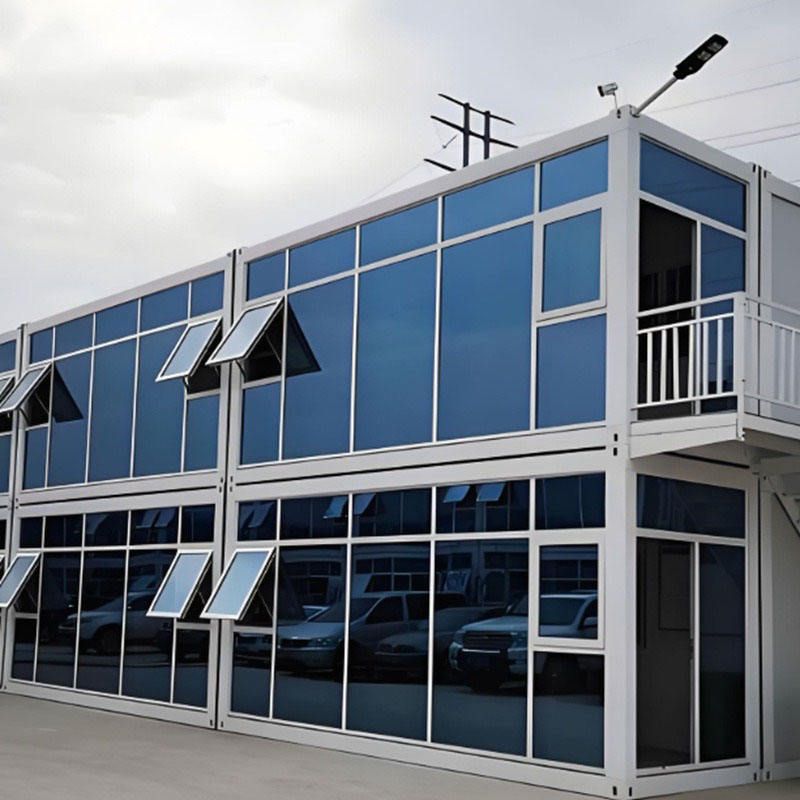
Structural Composition and Material Development
The core structure of an assembled mobile single toilet includes a fecal sewage storage tank (or disposal device), flooring, sanitary ware, walls, washing equipment, a water tank, a roof, and a mobile device. Its materials have been upgraded from wood to high-polymer materials such as fiberglass and polyethylene, enhancing durability and lightweight properties. Based on structural form, it can be divided into single-unit structures (independent units) and composite structures (multi-module combinations); based on mobility, it can be classified as lifting/handling types (requiring external equipment assistance) and powered/trailer types (with built-in power or towable); based on sewage treatment methods, it can be categorized as flush types, non-flush suction types, circulating flush types (graywater reuse), and dry packing types (fecal sealing collection).
Modular Assembly and Customized Design
Some products support modular assembly, such as assembling two separate units on-site using connecting strips to flexibly adapt to different spatial requirements. In a customized case, a luxury mobile toilet customized for a client in Hunan measured 10 meters in length and 3 meters in width, featuring a seven-character design. The exterior walls used thermal insulation materials, and the interior was equipped with marble countertops, balancing functionality and aesthetics.
Feasibility of DIY Mobile Toilets
There are cases of DIY mobile toilets made from materials like buckets in the folk sector. The core steps include:
- Mobile Device: Install a universal wheel base for mobility;
- Space Modification: Cut the bucket to create an entrance and extend and heighten the structure;
- Function Integration: Install wooden doors, drainage pipes, floor drains, and connect showerheads and toilets;
- Drainage System: Connect pipes to achieve sewage discharge.
Such DIY solutions are low-cost but require attention to material strength, sealing, and compliance, making them suitable for temporary or low-frequency use scenarios.
Application Scenarios and Advantages
The core advantages of assembled mobile single toilets lie in rapid deployment and flexible relocation, particularly suitable for areas with high foot traffic but limited infrastructure. Their modular design reduces transportation and installation costs, while diverse sewage treatment methods adapt to different environmental conditions (e.g., dry packing types for water-scarce areas). With advances in material science and design concepts, mobile toilets are evolving from single-function facilities to intelligent and eco-friendly solutions, such as integrating solar power and smart sensor flushing technologies.



