
Asian Games Container House Design
The container house design for the 2026 Aichi-Nagoya Asian Games utilizes container cabins built on docks as temporary modular housing for the organizing committee, replacing the traditional athletes' village. It features a unique layout and specific specifications, but there are issues with facilities and living experience.
Overall Layout: The container house design is constructed on the dock, with an exterior resembling containers and an interior divided into multiple-person units. This design makes full use of the dock space, replacing the traditional athletes' village with temporary modular housing and providing a new solution for accommodating personnel during the event.
Room Specifications: Some container units have an area of approximately 35 square meters and contain four beds. The single beds measure 195 cm in length and 90 cm in width, but the aisle in the middle is very narrow, allowing only sideways passage, which somewhat restricts movement space.
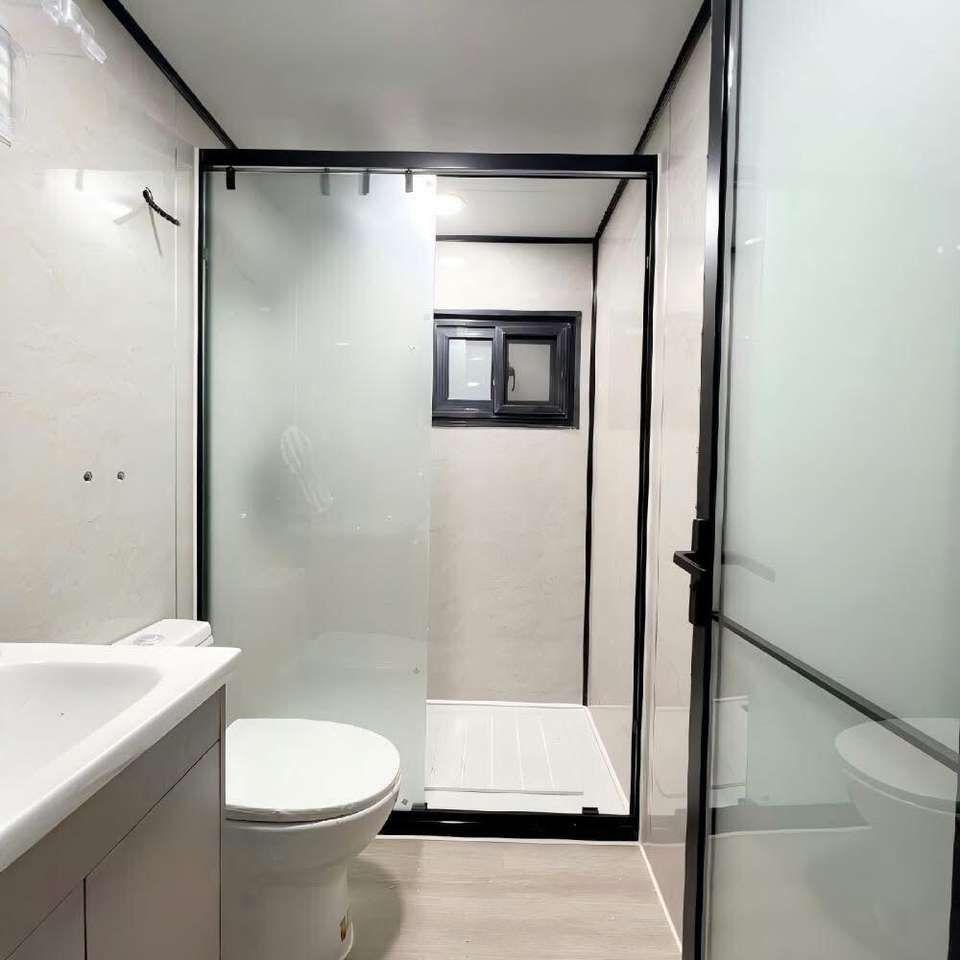
Internal Facilities: The houses are equipped with basic facilities such as independent bathrooms, air conditioning, and single beds, meeting the basic living needs of occupants. However, there is a problem with water leaking from beneath the sink, which flows along the pipes to the floor and forms puddles, affecting the cleanliness of the living environment and potentially posing safety hazards.
Living Experience: Due to the extremely small space, it is difficult for occupants to turn around inside the house. For athletes taller than 2 meters, the living experience is even worse. For example, Korean basketball players Lee Hyun-Jung (2.02 meters tall) and Jang Jae-Sik (2.04 meters tall) both reported that the beds were too short, causing their feet to be stuck, and they had to bend down when showering. Chinese basketball players, with an average height of around 2 meters, also found that their feet had nowhere to rest when lying in bed. Although the rooms are equipped with air conditioning, in the humid and hot weather of the port, the cooling effect is insufficient, and the lack of air circulation makes it difficult for the heat to dissipate. The organizing committee suggests opening the door before going to bed to let in the sea breeze for cooling, but the strong nighttime sea breeze at the port brings in noise from the wind, cargo operations, and ship horns, and not closing the door allows mosquitoes in, further affecting living comfort.
You may also like
Eco-Friendly Portable Toilet Specifications: Size, Area & Layout
Read More
Portable Toilet Insulation Explained: How to Choose the Right One
Read More
Portable Toilet House in 2026: Buying Guide & Recommendations
Read More