
Artistic Form Designs for Container Houses
Artistic form designs for container houses show diverse possibilities, spanning structural stacking, geometric deformation, industrial aesthetics, and more. Typical cases and design features include:
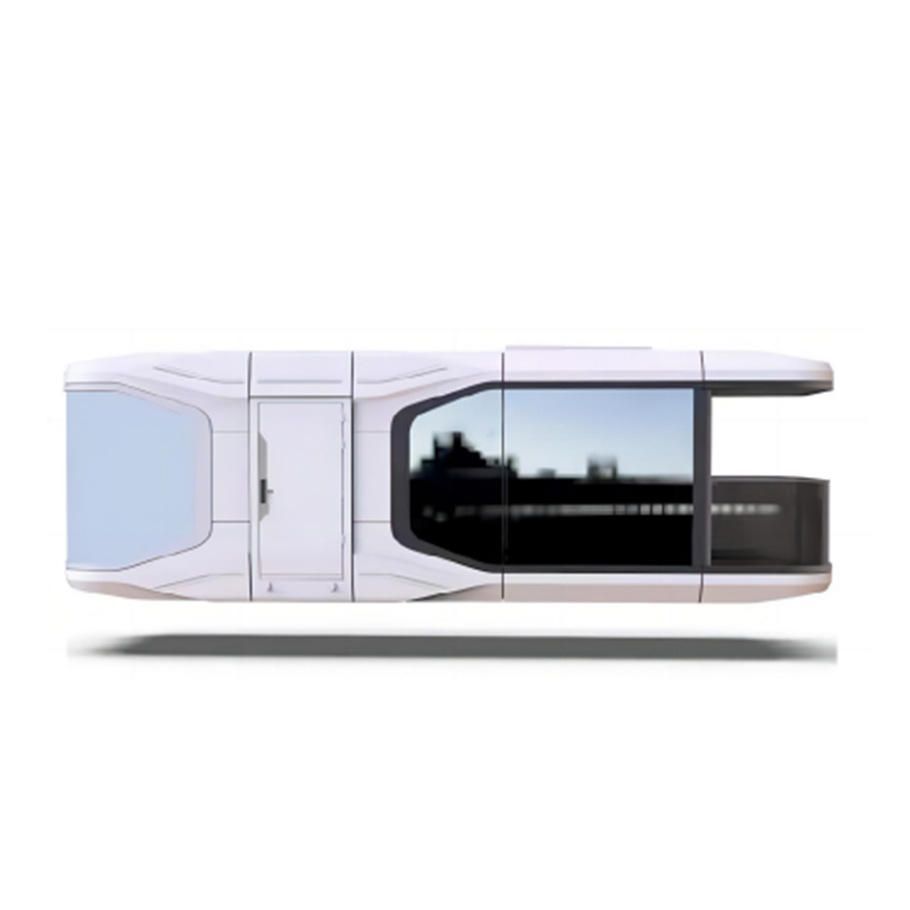
1. Structural stacking: expanding vertical space A rural residence in Korea uses two overlapping, connected containers to build a two-story structure with a distinctive roof form. The upper container is cantilevered at the base and offset from the top of the lower unit, increasing building height while turning the overhang into an open-air terrace that balances function and visual layering. Simple stacking breaks the limits of traditional single-story container houses while keeping the convenience of modular construction.
2. Geometric deformation: tilted and star-shaped layouts The star-shaped house combines multiple tilted containers, each as an independent function zone (bedroom, dining area, and so on). Angle adjustments create a radial layout of about 200 square meters. The tilt breaks the rectangular frame of the container and geometric deformation produces a dynamic visual effect. Zones connect via corridors or stairs, keeping independence while forming a coherent whole—suited to projects that demand distinctive form.
3. Industrial aesthetics: steel structure and trend-forward form Containers can become industrial-style mobile houses by retaining original steel elements (corrugated panels, corner castings) and pairing them with exposed pipes, rivets, and similar details to heighten industrial character. Designs often use asymmetric cuts, cutouts, or extended structures (projecting balconies, cantilevered roofs) with metallic paint or matte coatings for a look that is both rugged and modern. These approaches are common in commercial spaces, temporary pavilions, or art installations where visual impact matters.
4. Artistic expression: color and graffiti There are 30 container conversion cases covering form design and color graffiti—for example high-saturation color-block collage, abstract pattern spray painting, or gradient coatings that turn containers into movable artworks. Some designs add lighting (LED strips, projection) for night effect. Artistic design still needs practical space use: interior partitions for tight areas, or foldable furniture for flexibility.
Core design logic: Artistic container-house forms must balance structural stability and creative expression, breaking conventional shapes through modular combinations, geometric deformation, or material innovation while optimizing for function (daylighting, ventilation). Such designs appear in housing, commercial space, and public art projects, showing the crossover of architecture and aesthetics.



