
Are There Cases of Converting Containers into Houses?
There are cases of converting containers into houses.
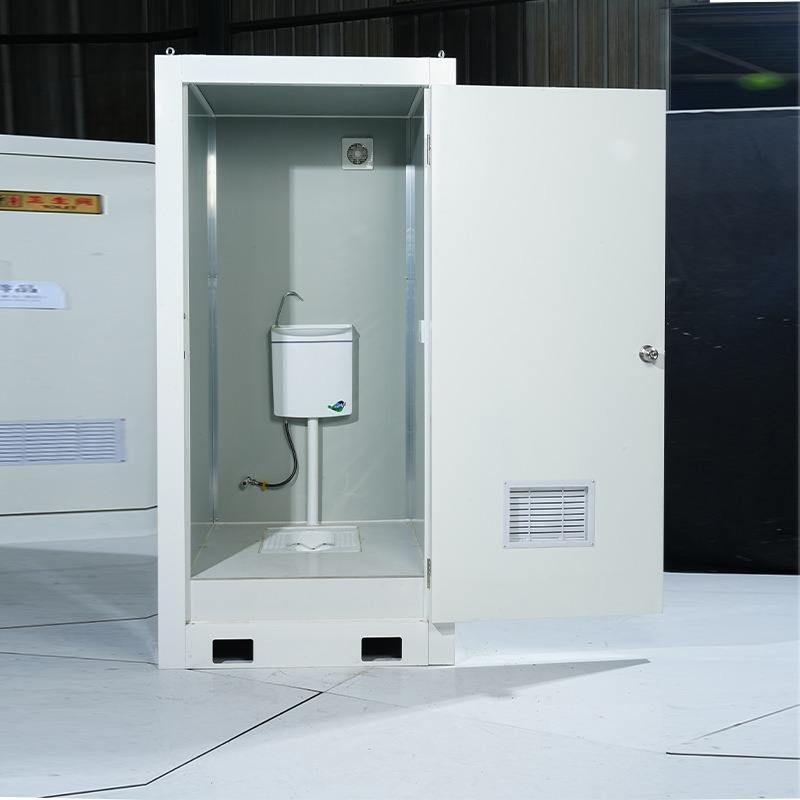
I. Corporate Practices Qingdao Leiyue Heavy Industry Co., Ltd. is a relatively typical example. The company specializes in container houses and other products. Its developed container house products have multiple uses. They can be applied as field operation houses, providing shelter and meeting the basic living and working needs of field workers; they can also serve as office buildings, offering temporary or relatively long-term office spaces for enterprises. These container houses are temporary structures but possess the basic functions of houses, such as living and office space, demonstrating the feasibility of converting containers into houses.
II. Historical Development The origin of container houses is closely related to the practice of converting old containers into temporary housing. In the mid-20th century, with the standardization of containers, it became more convenient to convert them into houses, and related conversion practices emerged accordingly. Among the early conversion cases, Container City I in London, UK (2000) had a significant influence. This project converted containers into houses, raising the social awareness of such buildings and letting more people know that containers could be reused as a building resource. Subsequently, a design approach emerged that specifically produced houses according to container specifications. This approach fully considered the structural characteristics and dimensions of containers, enabling better conversion of containers into fully functional and structurally stable houses, further promoting the development of the container house conversion industry.
III. Conversion Advantages Converting containers into houses offers numerous advantages. In terms of structure, containers themselves have high strength and stability, capable of withstanding a certain degree of external impact and providing safety for occupants. In terms of cost, compared to traditional buildings, the raw material cost of converting containers into houses is relatively low, and the construction period is shorter, saving a significant amount of labor and material costs. Additionally, container houses have strong mobility and can be relocated and reassembled according to actual needs, making them suitable for scenarios that require frequent changes of location, such as temporary construction sites and wilderness exploration bases.



