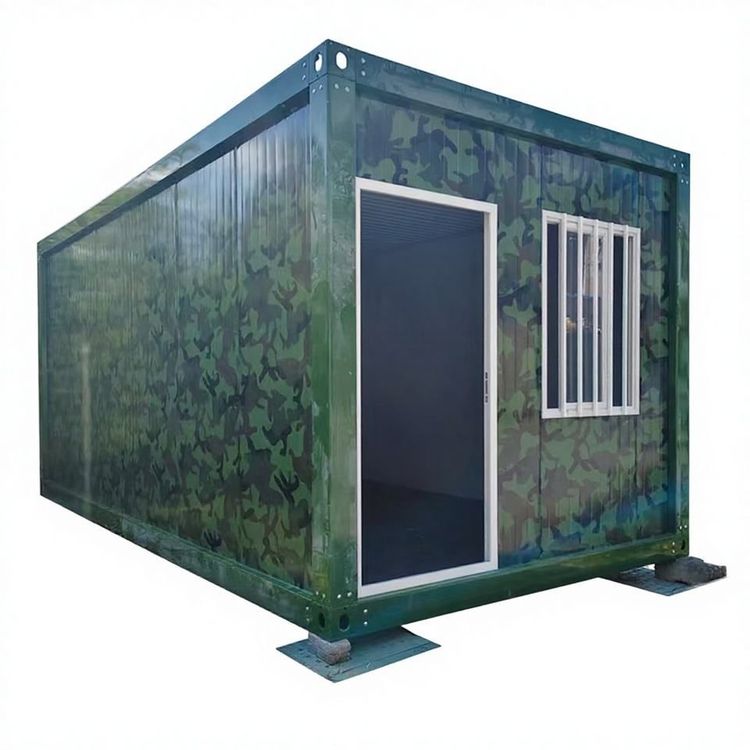
Are Prefabricated Panel Houses Dangerous?
Prefabricated panel houses do indeed have many dangerous factors, and their overall safety is relatively low, requiring caution.

Insufficient seismic performance: Prefabricated panel houses mainly rely on cement for construction. Although a certain amount of steel bars are added, their overall seismic capacity is far inferior to that of modern buildings. They have poor integrity, with weak connections between panels and between panels and walls. In an earthquake, the floor slabs and walls are prone to instant separation, and the collapse is sudden and without warning, leaving little chance for escape. In addition, most prefabricated panels are assembled and lack the toughness of on-site cast-in-place reinforced concrete. Their hollow design and low steel bar density make them prone to structural fatigue during minor or small earthquakes. Micro-cracks gradually expand, ultimately leading to a fragile structure and an increasing risk of collapse over time.
Weak connection points: The connection between prefabricated panels and walls is simply lapped, and the connection between panels is simply filled with mortar. There is a lack of ring beams and structural columns, resulting in a lack of a rigid framework for the entire house. Foundation settlement or wall cracking can cause the panels to shift and loosen. Long-term exposure to wind, sun, heat expansion, and cold contraction can weather the connections and cause the steel bars to rust, reducing their strength. After two or three decades of use, some old houses have floor slabs that are on the verge of collapse, and a slight increase in weight or wall demolition can trigger a chain collapse.
Material issues: In the early days, to reduce costs, there were cases of material reduction and unguaranteed quality in prefabricated panels. Regular prefabricated panels have thin steel bars, and small workshops even use thin steel wires instead of steel bars. The concrete grade does not meet the standards, and the thickness is insufficient, making the prefabricated panels seem sturdy but actually cracking easily when struck. Prefabricated panels have the characteristic of brittle failure. When the load exceeds their capacity, they will break instantly without any warning. Daily stacking of heavy objects, renovation work that involves striking the ground, or long-term aging can all trigger sudden collapses.
Frequent cracks and severe water leakage: Crack problems are common in prefabricated panel houses, especially in humid weather or during the rainy season, when water leakage is severe. Cracks can weaken the overall strength of the walls and increase the risk of collapse. At the same time, a humid environment is prone to breeding mold and bacteria, which are harmful to health.
Poor thermal insulation and sound insulation effects: Prefabricated panel houses have poor thermal insulation performance. They are stuffy in summer and cold in winter, consuming a large amount of energy and having low living comfort. This increases health risks for the elderly and children. Their sound insulation effect is also extremely poor, affecting sleep quality.
Short service life: The designed service life of prefabricated panel houses is about 30 to 50 years. Many houses built in the 1970s and 1980s have approached or exceeded their service lives. They show serious signs of aging and have prominent safety hazards.