
Are Mobile Toilets Practical? Zhihu Translation
Mobile toilets demonstrate remarkable practicality, but their suitability must be evaluated based on specific scenarios and needs.
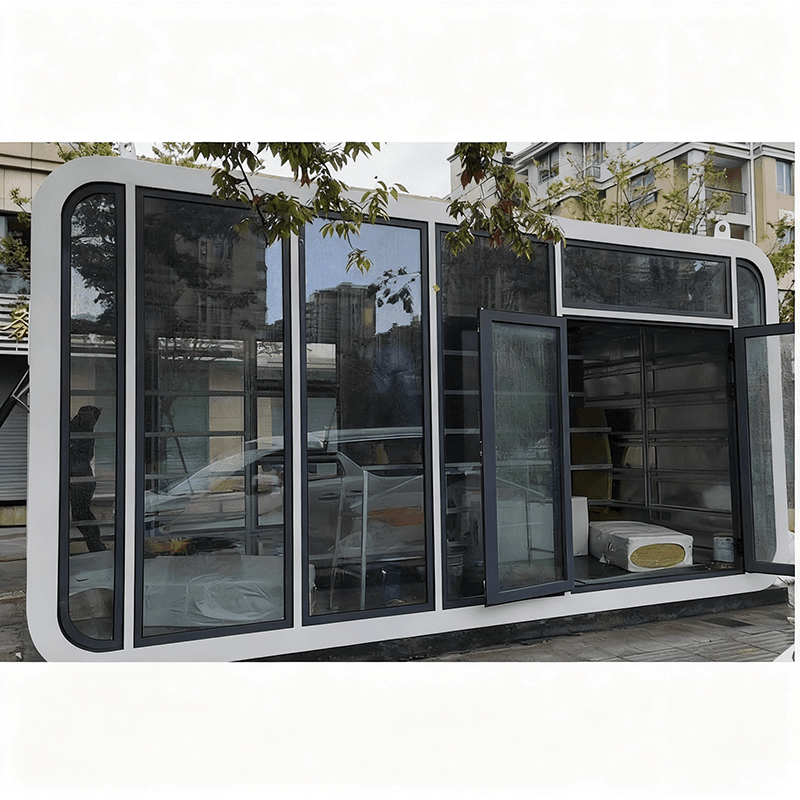
Flexibility and Adaptability
The core advantage of mobile toilets lies in their portability, enabling rapid deployment to various locations as required. For instance, in public spaces such as scenic spots, construction sites, and plazas, their structural design supports lifting, transportation, or powered towing, allowing them to flexibly meet sudden demands during peak tourist seasons or temporary events. Additionally, for families with elderly individuals with mobility issues, mobile toilets can serve as temporary or long-term solutions, provided that space allocation and sewage disposal methods are planned in advance.
Environmental Protection and Water-Saving Technologies
Some mobile toilets employ technologies such as recirculating water flushing, dry composting, or foam sealing, significantly reducing water consumption. For example, intelligent water-saving ecological toilets can use as little as 0.46 liters of water per use, far less than traditional toilets. Moreover, their main materials are often recyclable eco-friendly panels, aligning with sustainable development principles and making them particularly suitable for regions with water scarcity or stringent environmental requirements.
Durability and Maintenance Costs
The main structures of mobile toilets are typically constructed from corrosion-resistant materials such as galvanized square steel and national standard steel, with a design lifespan of 10-20 years. Daily maintenance involves only regular cleaning to prevent blockages or odors, thereby extending their service life. Compared to fixed toilets, their portability avoids resource waste caused by demolition or renovation, offering long-term cost advantages.
Functional Diversity
Modern mobile toilets have evolved beyond basic configurations, commonly featuring independent stalls, flushing mechanisms, sinks, lighting, and ventilation systems. High-end models further incorporate air conditioners and air purifiers to enhance user comfort. For example, air conditioning can improve the toilet environment in extremely hot or cold regions, while air purifiers effectively reduce odors, making them suitable for scenarios with high hygiene standards.
Economic Considerations
Although the initial purchase cost of mobile toilets may be higher than that of traditional toilets, their short construction period, small footprint, and lack of complex infrastructure requirements make them cost-effective. For temporary needs (e.g., exhibitions, construction projects), their reusability further reduces long-term costs. For household use, budget, space, and sewage disposal methods must be weighed: short-term use may opt for fecal storage tanks, while long-term use requires connection to municipal sewage networks to avoid increased maintenance costs.
Conclusion: Mobile toilets excel in functional design, environmental performance, and adaptability, making them ideal for flexible allocation in public spaces or temporary household needs. However, their practicality must be maximized by considering usage scenarios, budget, and maintenance conditions during selection.



