Back to blog
Article
Are Container Houses Suitable for Living?
Admin September 15, 2026
Container houses are suitable for living under specific conditions, but they have numerous limitations and are not generally suitable as long-term stable residences.
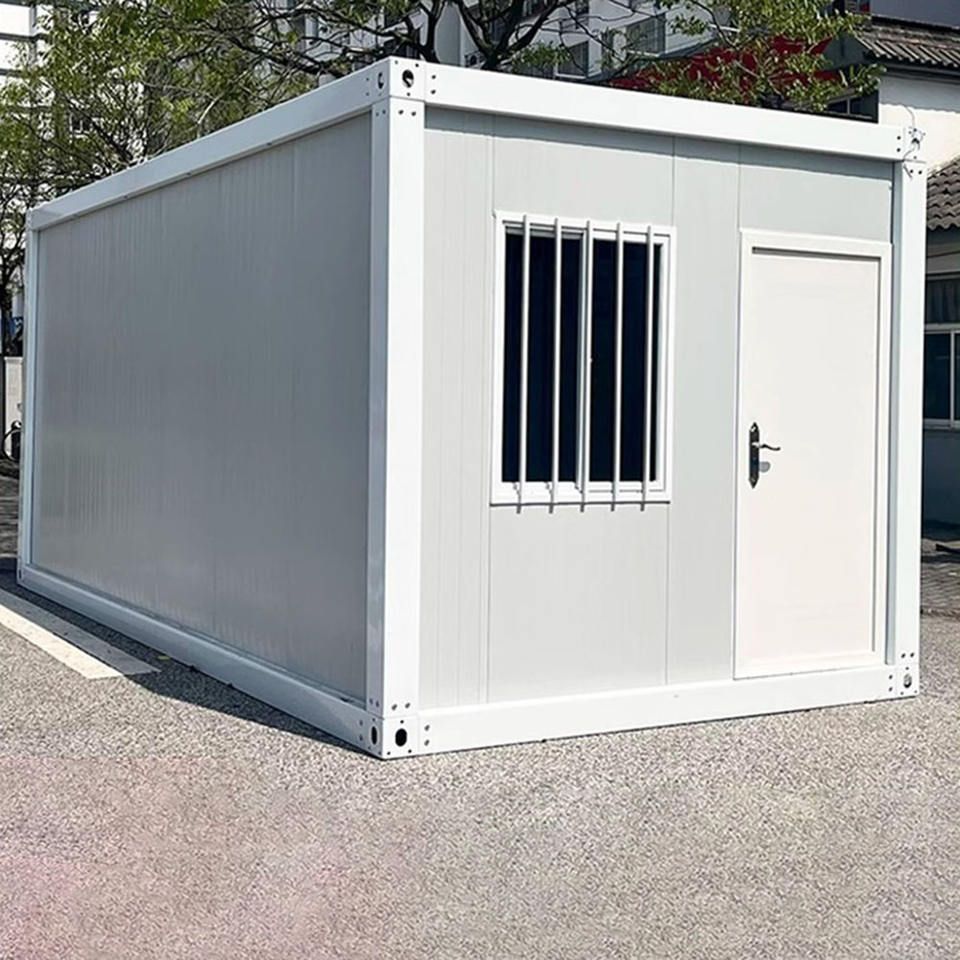
From the perspective of suitability for living:
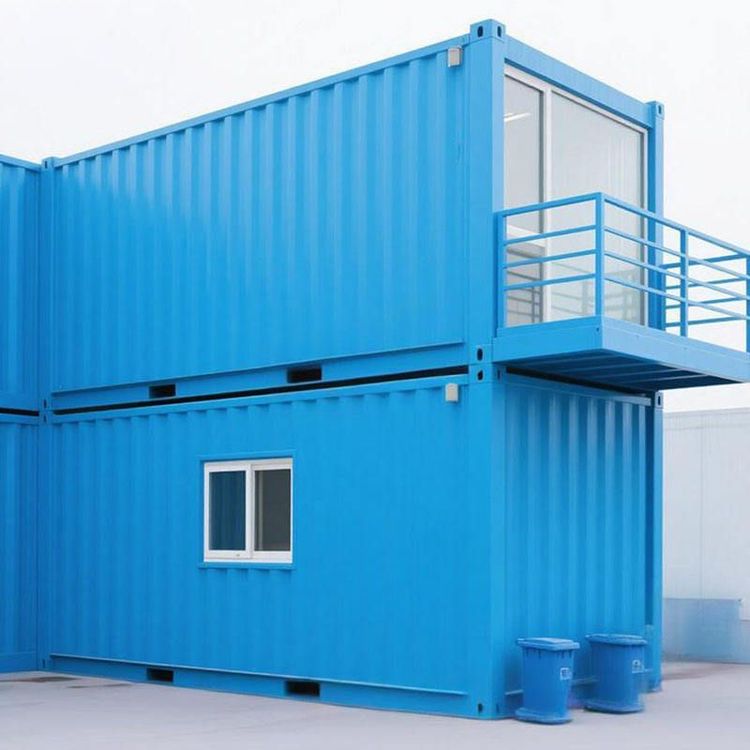
- Flexibility and rapid deployment: Container houses offer the advantages of flexible adaptation and cost control, enabling quick construction and deployment. In scenarios such as construction sites, field operations, and emergency support, they can serve as temporary residences to meet short-term living needs. For example, in post-disaster emergency construction, container houses play an important role due to their rapid deployment capabilities.
- Environmental protection and recycling: The core value of container houses lies in the full life-cycle recycling of their materials. Each standard 20-foot container consumes approximately 1.2 tons of steel. If a one-time poured concrete temporary house is used instead, the carbon emissions from the concrete and steel required for the same area are 2.3 times those of a container house.
- Personalization and innovative applications: Container houses have a highly personalized appearance and can be painted according to one's preferences. In the commercial sector, some brands have transformed them into innovative applications such as 24-hour self-service fitness pods.
However, there are also factors that make them unsuitable for living:
- Space and comfort: Container houses have relatively small spaces, resulting in a cramped living experience. For instance, in the container dormitories at the Nagoya Asian Games, the single beds were small, making it difficult for tall athletes to stretch out; the room height was low, creating a sense of oppression; and the aisles in double-bed rooms were narrow, restricting movement.
- Sound insulation and heat insulation: The sound insulation is poor, and one has to wear earplugs to sleep at night. The metal container body has a high thermal conductivity coefficient, and relying solely on the panel for heat insulation is insufficient to cope with extreme weather. In hot and humid environments, the interior becomes stuffy and unbearable.
- Safety and stability: In extreme conditions, such as natural disasters like strong winds and heavy rain, container houses may pose safety risks. During the Nagoya Asian Games, heavy rain caused water accumulation in the container area, and some container sites were in danger, leading to the emergency evacuation of athletes.
Related