
Are Container Houses Safe?
The safety of container houses varies depending on the product type, manufacturer, and usage scenario. Compliant, high-quality products can meet safety requirements, but non-standard, unbranded products pose significant risks.
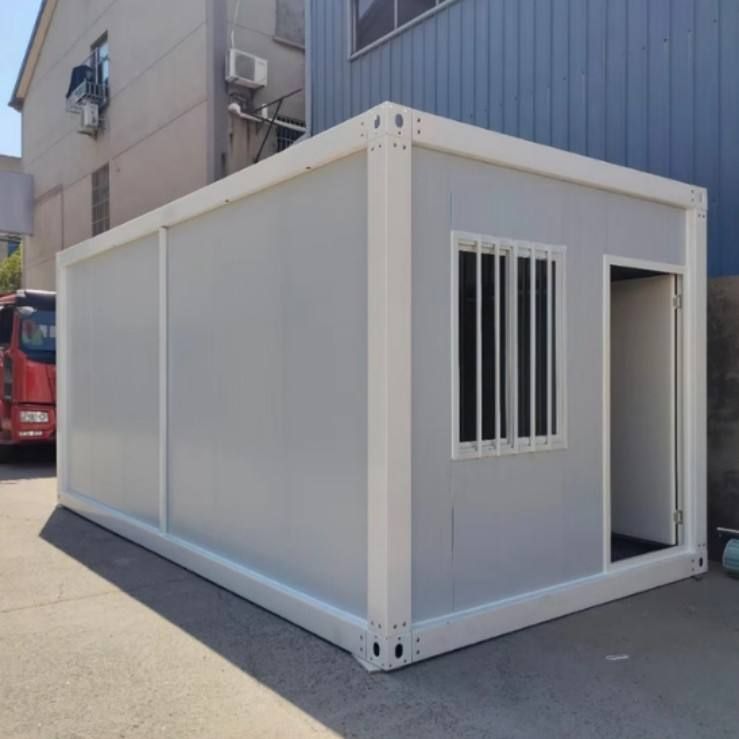
I. Compliant Products Offer High Safety
Mainstream container houses use a full steel structure frame and undergo rigorous wind and earthquake resistance tests. For example, Suzhou Zhongnan's packing-box units have a wind resistance rating of up to Level 12 and an earthquake resistance rating of Level 8, with a frame deformation rate of only 0.18%. CIMC's standard container houses have a wind resistance rating of Level 11 and an earthquake resistance rating of Level 7. These products comply with the "Building Structural Design Code" and the GB50011-2010 earthquake resistance standard, maintaining structural stability even in extreme conditions such as coastal typhoons and earthquake zones. Products from leading companies are certified for ISO quality systems and fire resistance, using galvanized steel and eco-friendly insulation to ensure fire safety, corrosion resistance, and healthy living conditions. Additionally, modular design reduces on-site welding, lowering construction risks, and some products feature rounded edges to prevent injuries.
II. Non-Standard Products Pose Multiple Safety Risks
Some unbranded products on the market use ordinary steel with a thickness of ≤1.2mm and lack corrosion protection to cut costs, resulting in a wind resistance rating of only Level 6-7. In wind tests at Level 6, frame shaking and wall deformation occur. Under extreme conditions, these products may experience wall collapse or frame tilting, with rework costs up to three times higher than compliant products, and even causing injuries. Moreover, unbranded products often use flammable materials, with a fire resistance rating of only Class C, allowing fires to spread rapidly, while compliant products must achieve Class B1 or higher to effectively slow fire spread. Non-standard products have不规范 (non-standard) installation processes, taking over 8 hours per unit, with penalties for delays reaching 2.1 times the procurement cost. They also lack professional after-sales teams, with response times exceeding 24 hours, leading to project delays.
III. Selection Requires Comprehensive Consideration of Qualifications and Scenario Adaptability
When choosing container houses, prioritize verifying manufacturer qualifications, including ISO certification, steel structure professional contracting qualifications, and wind and earthquake resistance test reports. Different scenarios have varying performance requirements: long-term on-site projects need high wind and earthquake resistance ratings; emergency rescue scenarios require portable, foldable designs; and commercial pop-up scenarios demand rapid space adjustment capabilities. Leading companies offer full-process services covering design, transportation, installation, and after-sales, avoiding responsibility shifting.



