Are Container Houses Afraid of Wind?
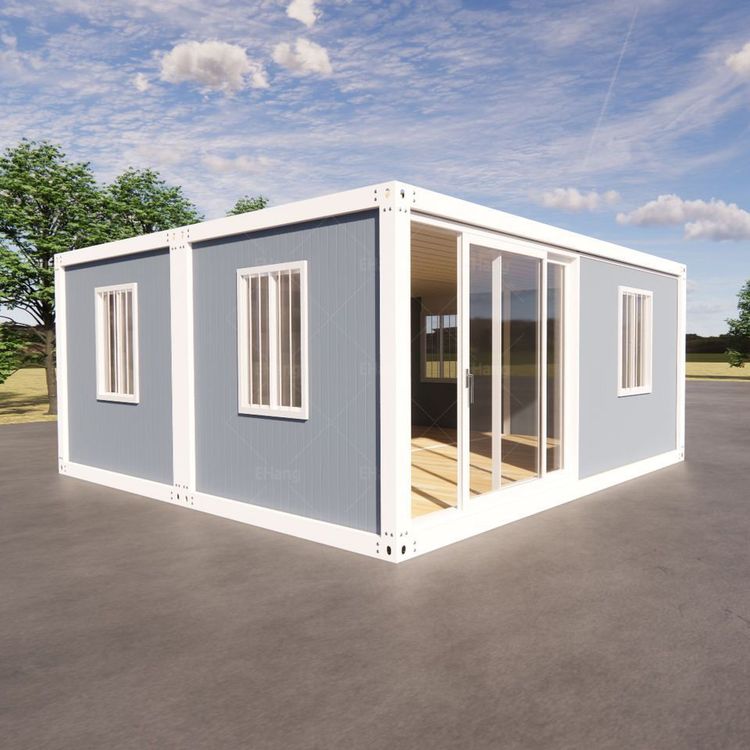
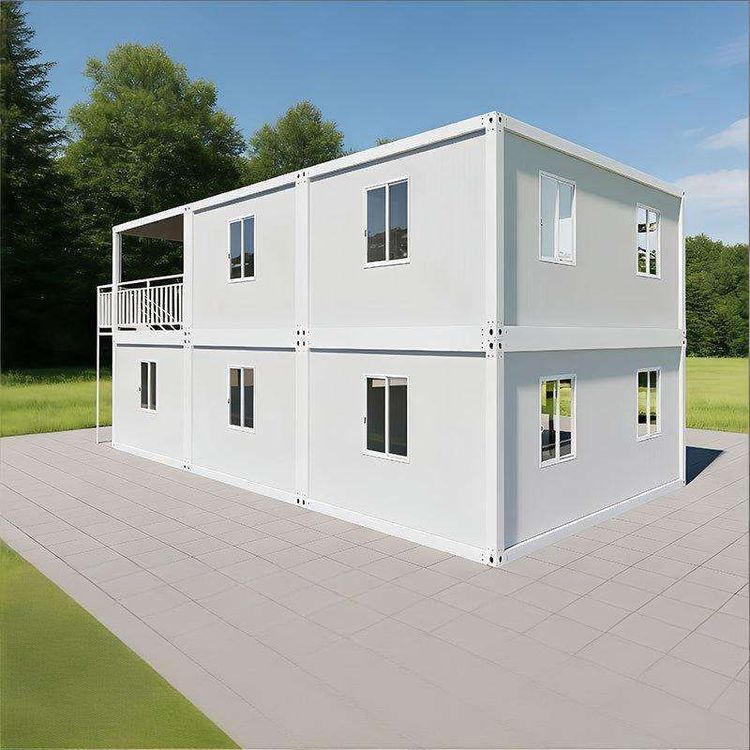
The wind resistance of container houses is not absolute; their performance is influenced by multiple factors such as design, materials, installation, and environment. High-quality products, when properly reinforced, can withstand winds of up to Force 10, while ordinary products or those improperly installed may struggle even with winds of Force 8. Here is a detailed analysis:

1. Theoretical Wind Resistance: Standard Design Can Withstand Force 10 Winds
According to the 'Building Structural Load Code', standard container houses, designed with steel structural frames, can withstand a wind pressure of 0.45kN/㎡, roughly corresponding to Force 10 winds (wind speeds of 24.5-28.4m/s). Some manufacturers further enhance wind resistance to Force 12 or above through technical optimizations, such as using H-shaped steel ground anchors, truss reinforcement, and adding structural purlins. For example, Chengdong Housing successfully withstood winds of Force 12 or above, and even hurricanes of Force 17, in projects in windy regions like the Bahamas and Mauritius.
2. Practical Cases: Quality and Installation Issues Leading to Wind Resistance Failure
In a case in Haiyan, Zhejiang, Mr. Huang's container house, labeled as 'wind-resistant to Force 10', was blown apart by winds of Force 8. The manufacturer explained that the house was an ordinary model without reinforcement and was installed in an open, windy location where the actual wind force might have exceeded Force 8. Additionally, the house used thin materials and shallow nail fixings, leading to structural deformation when wind pressure intruded. This indicates that wind resistance ratings must be considered in conjunction with actual installation conditions; ordinary products, if not reinforced, may see a significant drop in wind resistance.
3. Key Technical Measures for Wind Resistance
- Structural Reinforcement: Increase the cross-sections of main load-bearing members (such as beams and columns) or add reinforcement fittings (such as angle steels and connecting plates).
- External Auxiliary Reinforcement: Add wind-resistant cables and ground anchors to form a three-dimensional fixing network and prevent overturning.
- Enclosure Material Reinforcement: Tighten the fixing of self-tapping screws, increase structural purlins, and prevent iron sheets from being blown open by the wind.
- Anchoring System: Use a combination of 'concrete foundations + chemical anchors + L-shaped ground anchors', with each anchor point having a pull-out resistance of ≥50kN.
4. Consumer Selection Advice
- Verify Qualifications: Request manufacturers to provide wind resistance test reports or project cases to avoid relying solely on label ratings.
- Confirm Reinforcement Plan: Choose whether additional reinforcement is needed based on the wind conditions of the usage location (e.g., reinforcement is required in coastal or open areas).
- Supervise Installation: Ensure a solid foundation and anchor points that comply with regulations to avoid reducing wind resistance due to improper installation.