
Are All Mobile Toilets Illegal Constructions?
Whether all mobile toilets are illegal constructions cannot be generalized and needs to be judged based on specific circumstances. Details are as follows:
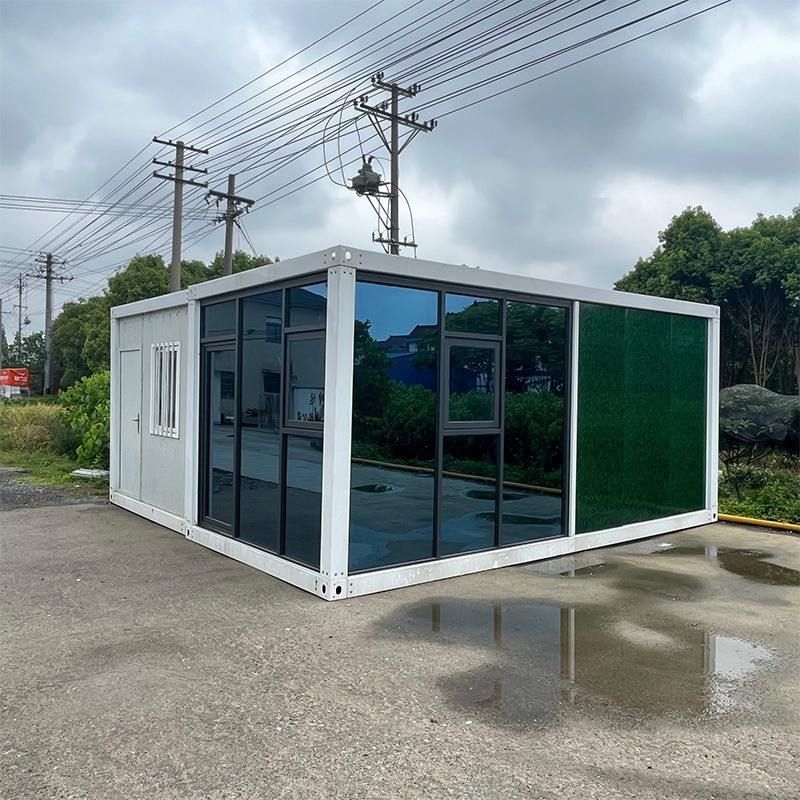
From the perspective of planning and approval: If the installation of mobile toilets has been approved by the relevant planning department and complies with regulations related to urban planning and land use, then they are generally not considered illegal constructions. The planning department will evaluate and approve the installation of mobile toilets based on factors such as the overall layout of urban development, land use planning, and the demand for public facilities. Only mobile toilets that meet these planning requirements can be regarded as legal constructions. Conversely, if mobile toilets are installed without approval or their location and scale do not meet planning requirements, they may be identified as illegal constructions.
From the perspective of land use nature: If mobile toilets are installed in public green spaces, parks, and other public places and comply with relevant management regulations, they are generally not considered illegal constructions. The management departments of these public places will regulate and manage the installation of mobile toilets according to actual needs and management regulations. However, if mobile toilets are installed on private land without the consent of the landowner or violate relevant provisions in the land use contract, they may constitute illegal constructions.
From the perspective of temporariness and fixity: If mobile toilets are installed temporarily and can be promptly removed and restored to their original state after use, they are generally not considered illegal constructions. Such temporary installations are often to meet the needs of specific activities or events, such as music festivals and sports events. However, if mobile toilets are fixed in a certain location and remain immobile for a long time, or even undergo permanent connections or modifications, they may be identified as illegal constructions.
In addition, different regions may have varying definitions and penalty standards for illegal constructions. Therefore, when judging whether mobile toilets are illegal constructions, it is also necessary to refer to local laws, regulations, and policy provisions.



