What Types of Houses Use Prefabricated Foundations
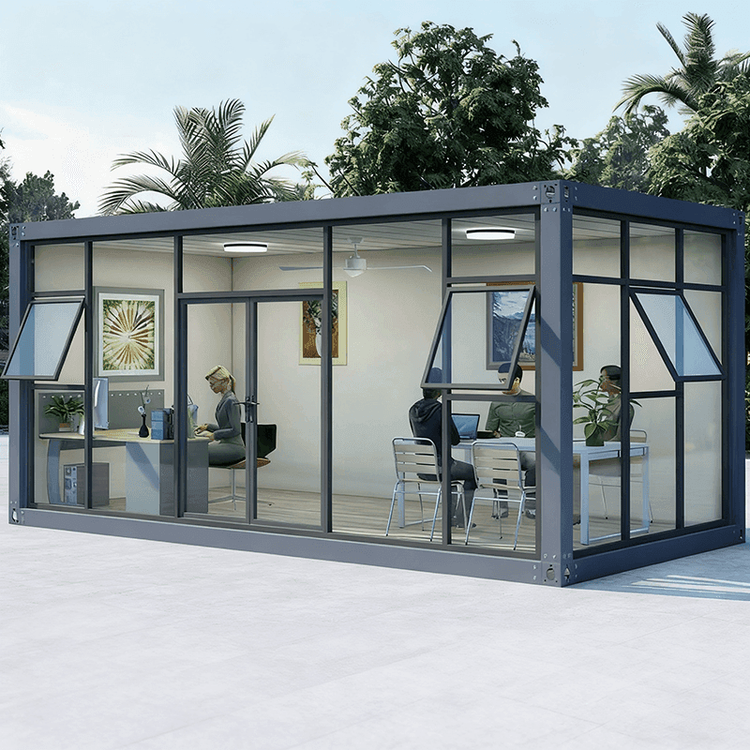
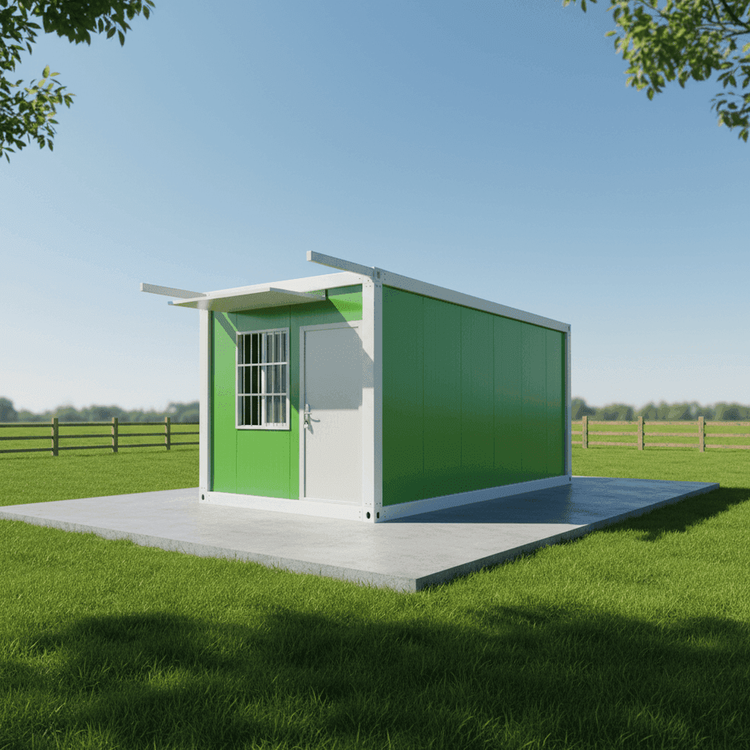
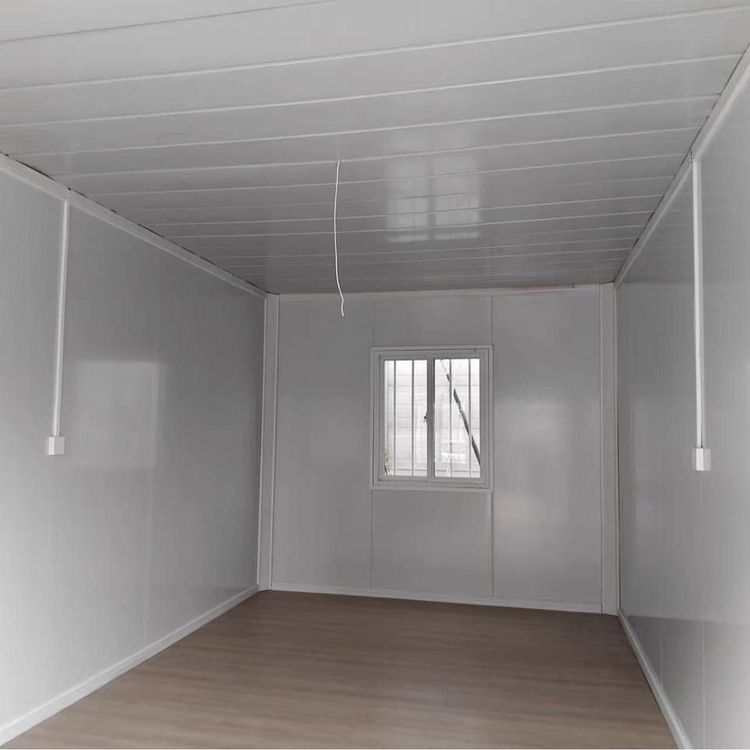
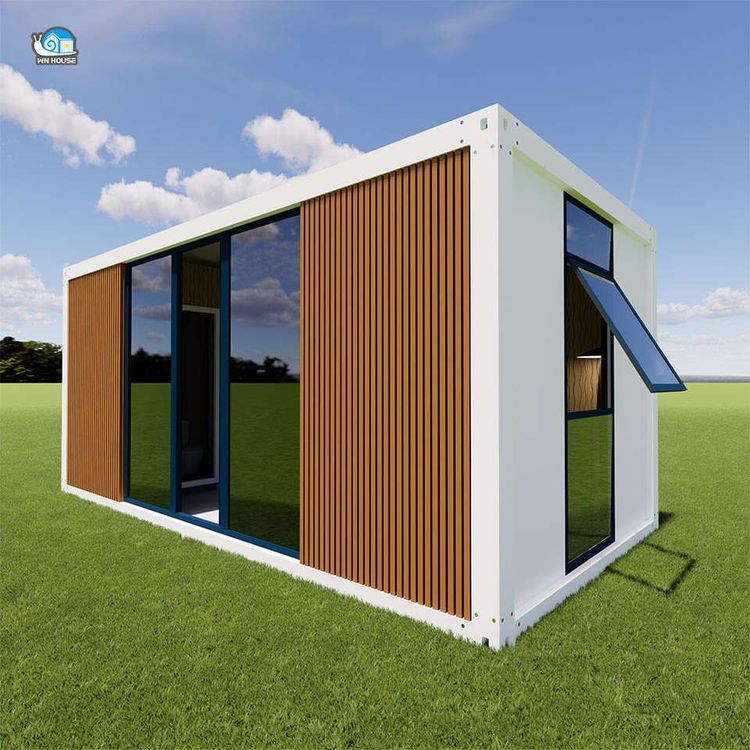
Prefabricated foundations are mainly used in prefabricated assembled buildings. Prefabricated assembled buildings are a form of construction where building components are produced industrially and then assembled on-site. Precast houses are a typical example. The following is a detailed introduction to the application of prefabricated foundations from different aspects:

Building Types
Prefabricated foundations are suitable for various types of prefabricated assembled buildings, including residential buildings, commercial buildings, and industrial plants. In the residential sector, whether it is low-rise villas or multi-story apartment buildings, prefabricated foundations play an important role. For example, some modern low-rise villas use prefabricated foundations, which can quickly complete foundation construction, shorten the construction period, and at the same time ensure the stability and quality of the foundation. For commercial buildings such as shopping malls and office buildings, prefabricated foundations can meet the requirements of large spans and high load-bearing capacities, providing a solid foundation support for the superstructure. In the construction of industrial plants, prefabricated foundations can adapt to different production processes and equipment installation requirements, ensuring the stable operation of the plants.
Structural Systems
Different prefabricated assembled structural systems use prefabricated foundations. In a frame structural system, the prefabricated foundation serves as the support for the frame, bearing the vertical and horizontal loads transmitted from the superstructure. It can be precisely connected with prefabricated columns, prefabricated beams, and other components to form an integrated structural system, improving the seismic performance and overall stability of the building. In a shear wall structural system, the prefabricated foundation works in conjunction with the prefabricated shear walls to jointly resist seismic actions and wind loads. The design and construction of the prefabricated foundation need to consider the connection method with the shear walls to ensure smooth force transmission. In addition, in some new prefabricated assembled structural systems, such as box structures and frame-shear wall structures, prefabricated foundations are also an indispensable and important part.
Geological Conditions
Prefabricated foundations have strong adaptability and can be applied to different geological conditions. On soft soil foundations, by reasonably designing the size and buried depth of the prefabricated foundation and using forms such as pile foundations, the bearing capacity of the foundation can be effectively improved, and foundation settlement can be reduced. On rock foundations, the prefabricated foundation can adopt a shallow foundation form and be directly placed on the rock surface, using the high strength and stability of the rock to support the superstructure. For some special geological conditions, such as expansive soil and collapsible loess, the prefabricated foundation can also meet the building's usage requirements by taking corresponding treatment measures, such as setting waterproof layers and replacing cushions.