
Application for Mobile Toilet
The application for a mobile toilet should be carried out step-by-step through local administrative departments or professional service providers, as detailed below:
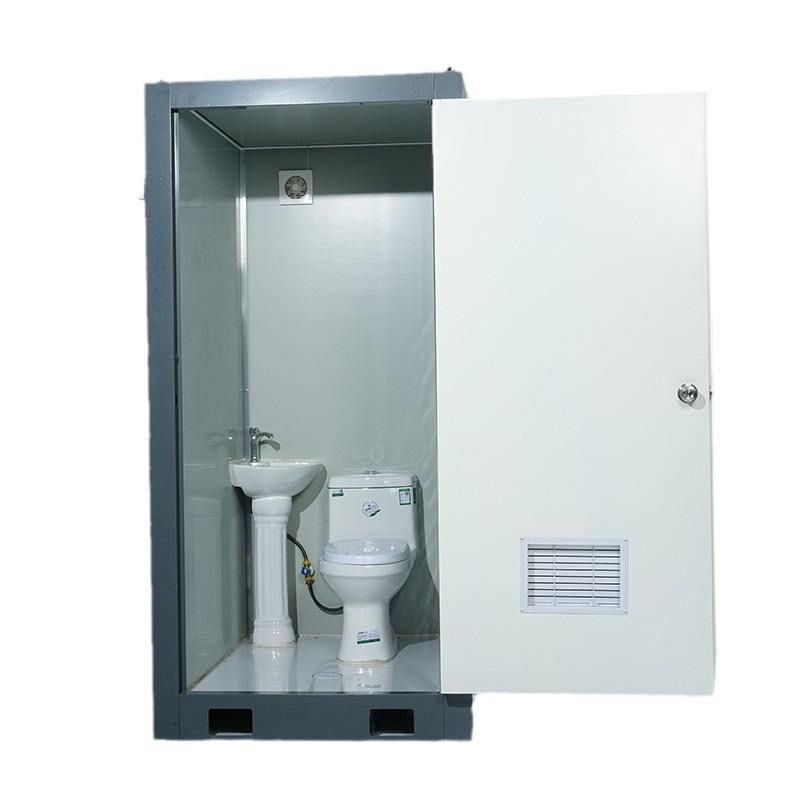
1. Understanding the Regulations
It is necessary to familiarize oneself in advance with the specific requirements for setting up mobile toilets in the local area, including the permitted locations (such as whether installation is allowed in public areas like parks and squares), quantity limits (determined based on pedestrian traffic to ensure reasonable scale), and maintenance standards (such as cleaning frequency and sewage disposal methods). These regulations are typically formulated by urban management, environmental sanitation, or planning departments and detailed documents can be obtained through government websites, government service windows, or telephone inquiries. For example, some cities require mobile toilets to maintain a certain distance from surrounding buildings to avoid affecting the cityscape or causing sanitation hazards.
2. Submitting the Application
Submit a written application to the relevant department or service provider, which should include the following core elements:
- Basic Information: The installation location (precise to the specific spot), estimated duration of use (for short-term events or long-term fixed use), type of mobile toilet (such as single-unit or connected-unit types) and specifications (such as the number of squatting positions and whether accessibility facilities are included).
- Reasons for Application: Explain the purpose of installation, such as addressing the difficulty of finding restrooms in public places, enhancing the city's image, or supporting large-scale events. For example, enterprises may emphasize fulfilling their social responsibilities by providing convenience to citizens; event organizers need to explain pedestrian traffic forecasts and the inadequacy of existing facilities.
- Commitments: Promise to comply with relevant regulations, bear operational costs (including cleaning, maintenance, utilities, etc.), ensure sanitation standards are met, and cooperate with supervisory departments.
3. Awaiting Review and On-Site Inspection
After receiving the application, the administrative department will review the completeness and compliance of the materials and may conduct an on-site inspection, focusing on evaluating:
- Whether the selected location complies with planning requirements (such as not occupying fire lanes or affecting traffic);
- Whether it causes pollution to the surrounding environment (such as whether the sewage disposal method is environmentally friendly);
- Whether it meets special needs such as accessibility facilities. If the review is not passed, the plan must be adjusted according to feedback (such as changing the location or adding facilities) and resubmitted.
4. Installation, Use, and Subsequent Management
- After Approval: Install according to the instructions of the administrative department, ensuring compliance with safety standards (such as wind and tipping prevention measures) and connecting to utilities and other supporting facilities.
- During Use: Regularly clean and maintain, ensure ventilation and deodorization, and promptly address malfunctions. For example, disinfect daily and inspect equipment operation weekly.
- Upon Expiry: If for temporary use, dismantle and restore the site as required; for long-term use, renew the approval procedures.
Legal Basis: The construction of mobile toilets must comply with the Urban and Rural Planning Law of the People's Republic of China (to ensure compliance with urban and rural planning) and the Land Administration Law of the People's Republic of China (to regulate land use approvals), avoiding legal risks.



