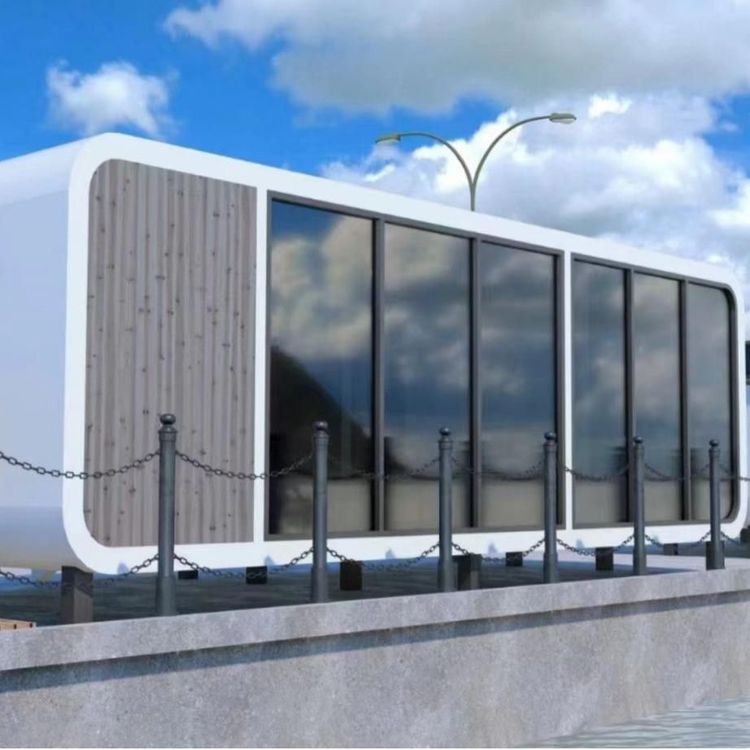
Apple Capsule Creative Shops: The Innovation Code for New Community Consumption Scenarios
In today’s highly competitive business environment, attracting customers and boosting foot traffic in commercial districts is a shared challenge for merchants. A distinctive format—viral container shops—is emerging with unique appeal and advantages as a powerful draw for commercial areas, shaping vibrant, creative new consumption scenarios.

I. The Rise of Creative Container Shops
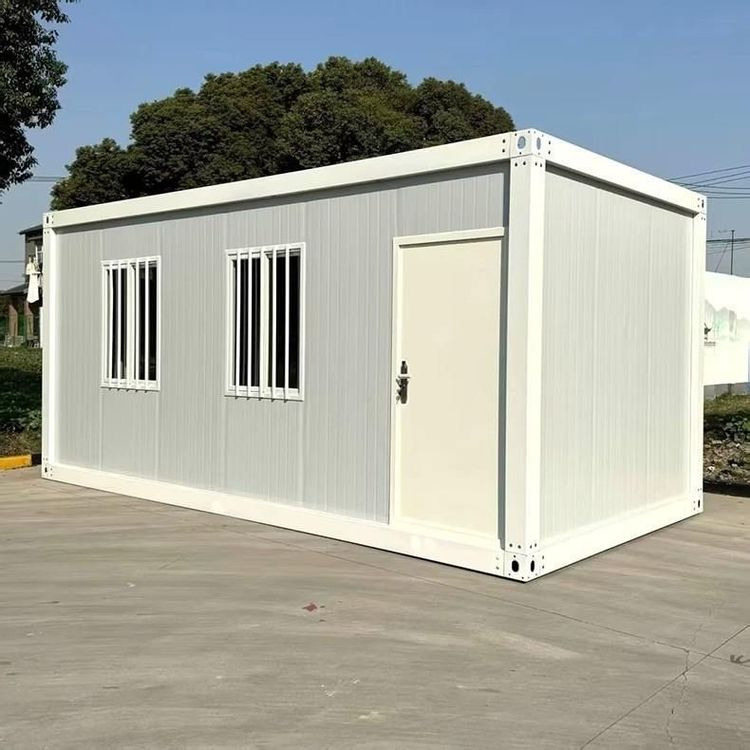
In recent years, creative container shops have sprung up around communities like mushrooms after rain. Converted from shipping containers, these shops not only add a distinctive skyline to the city but, thanks to their unique strengths, have become favorites in the commercial field.
Shipping containers were originally large metal boxes used to move goods, but driven by creativity and innovation they have been given new life. Compared with traditional buildings, containers are relatively inexpensive to obtain and customize, lowering merchants’ initial investment. At the same time, their sturdy structure and reusability align with today’s sustainability principles.

II. Key Factors in Creating New Consumption Scenarios
- Theme and Positioning
To create an appealing new consumption scenario, a clear theme and positioning are essential. Creative container shops near communities can set different themes based on residents’ characteristics and needs. For communities with many young people, a “fashion and trend street” can bring in streetwear brands, distinctive accessories, and specialty coffee; for family-oriented communities, a “parent-child theme park” can feature children’s play facilities, family restaurants, and kids’ product stores.
- Space Planning and Design
Sound spatial planning is an important part of improving the consumer experience. Container dimensions are relatively fixed, but clever combinations and connections can create rich, varied layouts. Multiple containers can be stacked vertically to form multi-level commercial space and increase the number and variety of shops; they can also be joined horizontally to form spacious interiors suited to large supermarkets or fitness centers.
In design, daylighting, ventilation, and pedestrian flow must be fully considered. Large windows and skylights bring in natural light and create a bright, comfortable shopping environment. Passages and entrances should be planned carefully to keep foot traffic smooth and avoid congestion.
- Diversity of Goods and Services
A successful new consumption scenario depends on rich, varied goods and services. Creative container shops should cover many commercial formats to meet different consumer needs. Beyond common retail and dining, beauty and hair care, education and training, and culture and the arts can also be introduced.
Quality of goods and services also matters. Merchants should carefully select products and provide professional, thoughtful service to earn consumer trust and word of mouth.

- Landscape and Atmosphere
Attracting consumers requires unique landscaping and a strong atmosphere. Around the shops, elegant flower beds, greenery, and leisure seating can create pleasant outdoor space. Lighting can create a romantic, captivating nighttime mood. Music, fragrance, and similar elements can further enhance the sensory experience.
- Interactive and Experiential Elements
Adding interactive and experiential elements is an important way to build new consumption scenarios. Handmade workshops, virtual reality zones, parent-child games, and similar offerings let consumers take part while shopping and gain more enjoyment and satisfaction.
- Digital and Smart Applications
In the digital era, creative container shops should keep pace by using digital and smart technologies to improve service. Examples include smart payment systems, online booking and ordering, and smart shopping guides that offer consumers a more convenient, efficient experience.

III. Success Case Studies
- “Creative Bazaar” Community
Around a vibrant community at Mandao Bay in Wenzhou, a cluster of creative container shops called “Creative Bazaar” has appeared. With art and creativity as its theme, it has attracted many designers and craftspeople.
Shop exteriors are covered in colorful graffiti, and each container shows a unique artistic style. Interiors are carefully designed to display creative products ranging from handmade accessories to limited-edition artworks.

In spatial planning, a central plaza hosts regular art exhibitions, music performances, and craft workshops. Leisure lawns and café seating nearby let people relax and enjoy the moment while appreciating art.
Through social media promotion and word of mouth, “Creative Bazaar” quickly became a local hotspot, drawing not only community residents but also visitors from other areas.

- “Parent-Child Paradise” Community
In a family-focused community on Haitang Street in Jinnan, a “Parent-Child Paradise” themed creative container commercial street was created. It brings together children’s play facilities, family restaurants, children’s bookstores, and early education centers.
Shop design is full of childlike fun, with bright colors and cute cartoon imagery. Outdoor space includes slides, swings, sandboxes, and other play facilities so children can play freely.

Family restaurants offer healthy, tasty children’s meals and a comfortable dining environment so parents can enjoy food while accompanying their kids. Early education centers provide rich courses and activities that support children’s growth and development.

This “Parent-Child Paradise” not only gives community families a great place for leisure and entertainment but also becomes a platform for parents to share parenting experience, strengthening community cohesion.
IV. Challenges and Solutions
- Regulations and Approvals
As an emerging commercial form, creative container shops may face regulatory and approval issues—building codes, fire requirements, and land-use rights, for example. To address these, merchants and relevant authorities should strengthen communication and cooperation, set clear policies and standards, and ensure that construction and operation are lawful and compliant.
- Infrastructure and Supporting Services
Container shops may fall short in water and power supply, drainage, ventilation, and other infrastructure. To provide a good consumption environment, these systems need early planning and improvement. Adequate parking, public restrooms, waste handling, and other supporting services should also be provided.
- Seasonality and Climate Impact
In some regions, seasonal change and severe weather can affect operations. Summer heat and winter cold, for example, may reduce indoor comfort. Air conditioning, heating, and stronger thermal insulation can help.
- Brand Promotion and Marketing
For newly opened creative container shops, brand promotion and marketing are crucial. With lower initial awareness, more effort and resources may be needed for publicity. Social media, offline events, partnership campaigns, and other channels can raise brand exposure and influence.

V. Future Trends and Outlook
As consumer needs keep changing and technology advances, creative container shops are likely to continue growing.
- Green and Sustainable Development
In the future, creative container shops will place greater emphasis on environmental protection and sustainability—using eco-friendly materials for conversion and renewable energy such as solar and wind to reduce environmental impact.
- Intelligence and Technology Integration
With wider use of artificial intelligence, big data, and the Internet of Things, creative container shops will become smarter—for example, using smart sensors for real-time monitoring and management of shop environments and equipment, and marketing based on consumer behavior data.
- Community Integration and Coexistence
Creative container shops will integrate more closely with communities and become an important part of community life. Merchants will take an active part in community activities, build good relationships with residents, and help create a warm, harmonious atmosphere.
- Diversification and Cross-Sector Collaboration
Future creative container shops will show more diversified formats and cross-sector collaboration. Integration with culture, tourism, sports, and other fields will create more novel consumption scenarios and business models.

In short, creative container shops near communities, with their distinctive appeal and innovative ideas, show the unlimited potential of new consumption scenarios. Through careful planning, design, and operation, they will become an indispensable part of community life, bringing people richer, more convenient, and more engaging consumption experiences.