Anyang Mobile Toilet Website Installation
No publicly available information directly related to 'Anyang Mobile Toilet Website Installation' has been found. The following provides a general overview of the installation process for mobile toilets and website construction:

Mobile Toilet Installation Process
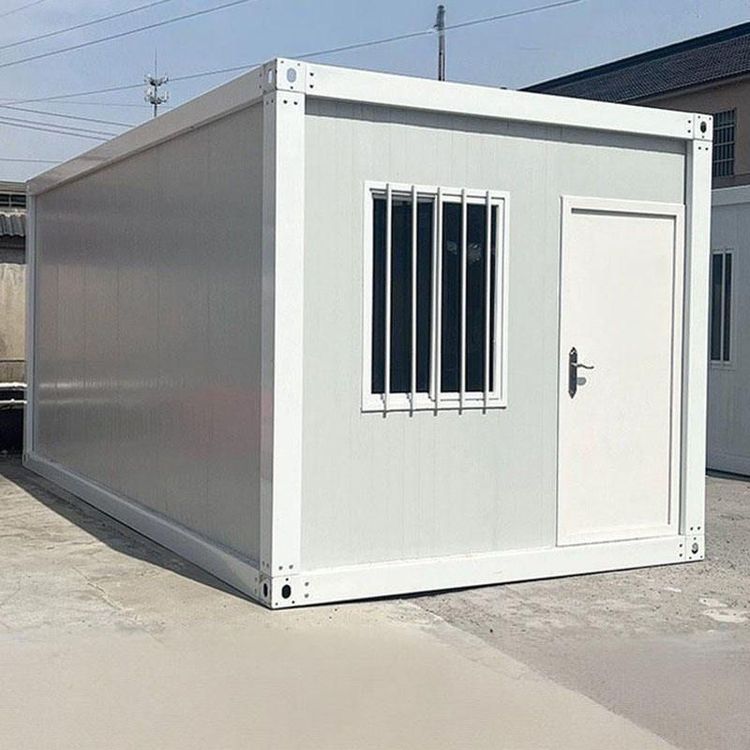
The installation of mobile toilets typically requires planning based on site conditions, toilet types (such as single-unit, connected-unit, or trailer-mounted), and functional requirements (such as whether they are equipped with water and electricity or sewage systems). The first step is site surveying, which involves confirming ground flatness, drainage slope, power access points, and sewage pipe locations to ensure compliance with installation requirements. For example, if it is a septic tank-type mobile toilet, a cleaning passage for the septic tank needs to be reserved; if it is a water-flush type, it needs to be connected to the municipal sewage network or equipped with an independent sewage treatment device. The second step is foundation construction, where concrete foundations or steel frame supports are selected based on the toilet's weight to ensure stability; trailer-mounted toilets also require the installation of towing devices and fixed anchor points. The third step is main body assembly, which involves assembling the toilet frame according to the instructions, installing walls and roofs, connecting water and electricity lines (such as lighting, flushing systems, ventilation equipment, etc.), and testing for proper functionality. The fourth step is acceptance and commissioning, which involves checking the tightness of doors and windows, the connection of sewage outlets, and odor control effectiveness to ensure compliance with environmental protection and usage standards.
Website Construction Process
If a website needs to be built for mobile toilet services, the first step is requirement analysis, which involves clarifying website objectives (such as product display, online reservations, after-sales service, etc.), target users (such as scenic spots, construction sites, event organizers, etc.), and core functions (such as 3D model display, case libraries, instant quotation systems, etc.). The second step is domain name and hosting selection, which involves registering a concise and memorable domain name (such as 'anyang-mobiletoilet.com') and purchasing stable server space to ensure website access speed. The third step is design and development, which involves adopting responsive design to adapt to different devices, with page layouts highlighting product advantages (such as eco-friendly materials, rapid deployment, low maintenance costs, etc.) and integrating interactive functions such as online consultations and form submissions. The fourth step is content filling, which involves uploading product images, technical parameters, installation cases, and customer reviews, while also writing SEO-optimized copy (such as keywords like 'Anyang mobile toilet rental' and 'eco-friendly toilet installation solutions') to improve search engine rankings. The fifth step is testing and launch, which involves checking link validity, form submission functionality, and cross-browser compatibility before officially launching the website.
Precautions
The installation of mobile toilets must comply with local environmental protection regulations (such as sewage discharge standards and noise control) and involve prior communication and approval processes with urban management and sanitation departments. Website construction should focus on data security (such as user information encryption) and privacy policy statements to avoid legal risks.