
Anyang Mobile Toilet Website Design
The design of the Anyang mobile toilet website should focus on product characteristics, user needs, and industry standards, emphasizing a balance between functionality and visual presentation. The following provides an explanation from four dimensions: design objectives, core modules, user experience, and technical implementation:
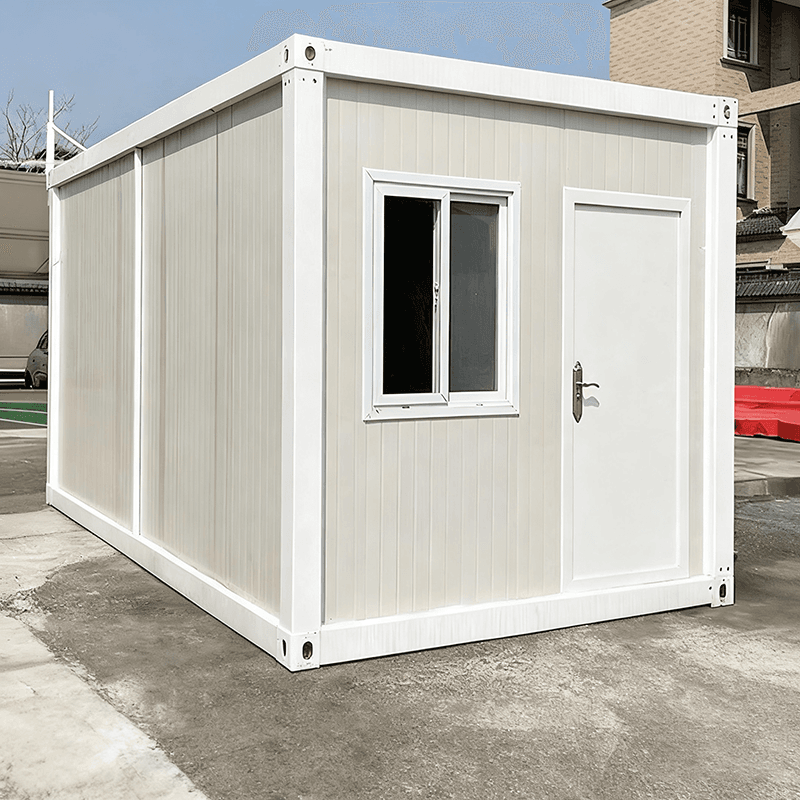
1. Clarify Design Objectives
The core objective of the mobile toilet website is to showcase product advantages, provide convenient services, and enhance brand trust. It should highlight the portability, environmental friendliness, hygiene standards, and customization capabilities of mobile toilets, emphasizing keywords such as "rapid deployment," "water and energy conservation," and "modular design" to attract target users such as municipal engineering, scenic area management, and event planning. Additionally, the website should offer functions like information inquiry, online consultation, and case displays to help users quickly obtain solutions.
2. Core Module Design
Homepage Layout
- Top Navigation Bar: Set up main menus such as "Product Center," "Solutions," "Case Studies," "About Us," and "Contact Us" to ensure users can quickly locate their needs.
- Carousel: Display real-life images of mobile toilets, application scenarios (e.g., scenic areas, construction sites), and core selling points (e.g., "4-hour rapid installation").
- Quick Access: Add buttons like "Consult Now" and "Free Solution Design" to guide user actions.
Product Center
- Categorized Display: Classify products by usage (e.g., scenic area toilets, construction site toilets, emergency toilets) or function (e.g., standard, smart, barrier-free), accompanied by high-definition images, parameter tables (e.g., dimensions, capacity, materials), and video demonstrations.
- Comparison Tool: Provide a comparison tool for different models to help users filter products based on budget, number of users, and other criteria.
Solutions
- Scenario-Based Cases: Offer customized solutions for different scenarios (e.g., music festivals, post-disaster reconstruction), including toilet quantity planning, sewage treatment methods, and cost estimates.
- Technical Explanation: Use a combination of images and text to explain the environmental technologies (e.g., microbial degradation, vacuum suction) and hygiene measures of mobile toilets.
3. Optimize User Experience
- Responsive Design: Ensure the website adapts to display on PCs, tablets, and mobile phones, avoiding page misalignment or slow loading.
- Streamline Processes: Keep online consultation forms concise (e.g., only requiring name, phone number, and type of need) to reduce user input burden.
- Multilingual Support: If the target market includes foreign customers, add an English version to expand service coverage.
4. Technical Implementation Points
- Security: Use HTTPS protocol to encrypt data transmission and protect user privacy; regularly back up website data to prevent information loss.
- SEO Optimization: Incorporate location-specific and industry-related keywords such as "Anyang mobile toilets" and "environmentally friendly toilet manufacturers" into titles, descriptions, and keywords to improve search engine rankings.
- Maintainability: Use a CMS system (e.g., WordPress) to manage content, facilitating future updates of product information or case studies.
Through the above design, the website can professionally present the technical advantages of mobile toilets while enhancing conversion rates through user-friendly interactions, ultimately achieving the dual goals of brand promotion and business growth.



