Anyang Mobile Toilet Project
The Anyang Mobile Toilet Project covers multiple aspects including design, customization, leasing, installation, and maintenance, with a standardized service process that emphasizes personalized needs and on-site management.

I. Service Content and Customization Capabilities
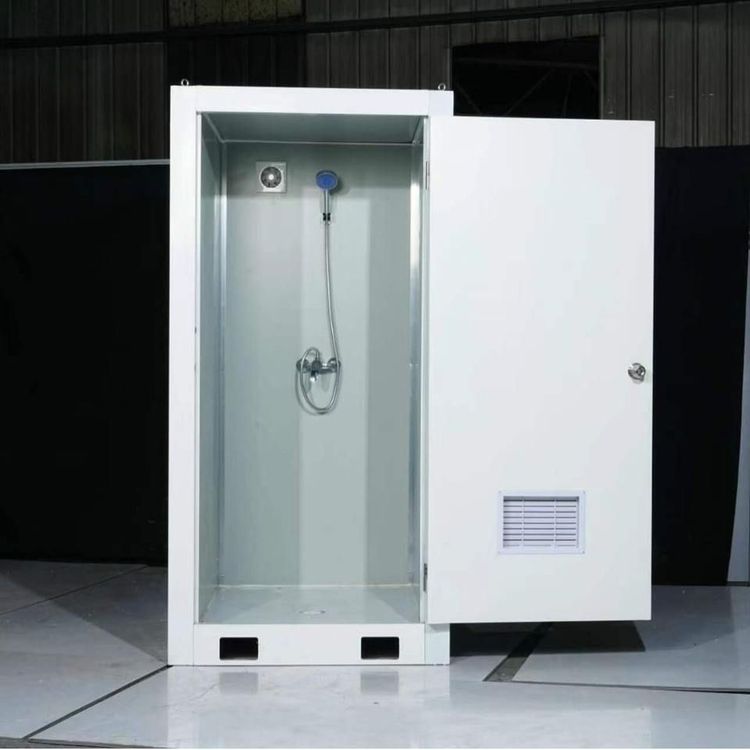
Some enterprises in Anyang offer full-chain services for mobile toilets, including the design, production, sales, and installation of portable cabins, containers, mobile panel houses, and mobile restrooms. The core advantage lies in providing personalized customization solutions based on customer needs. For example, according to the different usage requirements of construction sites, event venues, or municipal settings, toilet specifications, functional configurations (such as whether to include sinks or ventilation systems), and exterior materials can be adjusted to ensure harmony with the surrounding environment.
II. Standardized Process for Leasing and Installation
The installation process for leasing services is divided into four key stages:
- Pre-installation Preparation: It is necessary to confirm the flatness of the site, drainage system planning (such as the location of the septic tank), and water and electricity access conditions to avoid rework later.
- Equipment Arrival and Assembly: During transportation, the equipment must be secured to prevent damage. After positioning, connect the water and electricity pipelines, ensuring tightness to prevent leakage.
- Post-installation Debugging: Conduct functional tests for flushing, sewage discharge, lighting, etc., clean the interior, and post usage instructions.
- Usage Management Tips: Provide daily maintenance guidelines (such as regular cleaning of the septic tank and inspection of water and electricity lines) and safety precautions (such as anti-slip and fire prevention measures).
III. Specialized Deployment Process for Construction Site Scenarios
For the leasing of mobile toilets at construction sites, the process emphasizes collaboration and emergency response:
- Initial Communication: Determine the number and type of toilets (such as single or connected units) based on the number of workers and usage duration.
- Contract and Selection: Clarify the leasing period, maintenance responsibilities, and equipment damage compensation terms.
- Logistics and Positioning: Prioritize locations close to the construction area but not obstructing passage to reduce the distance workers need to travel.
- Functional Testing: Focus on testing whether the sewage pipes are unobstructed to avoid blockages caused by construction site sediment.
- Post-installation Maintenance: Provide 24-hour emergency response, with equipment failures requiring repair or replacement within 4 hours.
IV. Professional Support in the Municipal Sanitation Field
Some enterprises focus on the research and development of municipal facilities, and their mobile toilet products meet environmental standards. For example, they adopt water-saving flushing devices, biodegradation technology to reduce pollution, and are equipped with intelligent monitoring systems to provide real-time feedback on usage status, suitable for long-term use scenarios such as gardens and real estate.
The Anyang Mobile Toilet Project effectively balances efficiency and quality through modular design, standardized processes, and customized services, meeting the temporary or long-term needs of different scenarios.