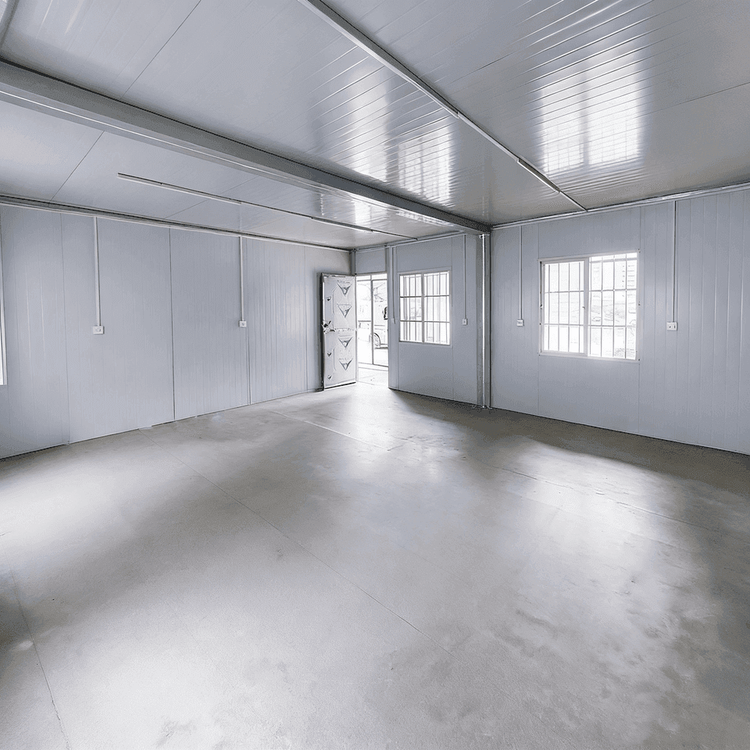
Anyang Disaster Relief Mobile Toilet
The Anyang disaster relief mobile toilet is a modular sanitation facility specifically designed for emergency disaster relief scenarios, featuring rapid deployment, versatile functionality, and environmental hygiene, effectively addressing temporary toilet needs in disaster-stricken areas.

1. Modular Design for Adaptability to Complex Terrain
The Anyang disaster relief mobile toilet adopts a modular structure composed of independent units that can be quickly assembled or disassembled. This design enables it to adapt to various terrain conditions, such as muddy, sandy, or uneven ground, making it particularly suitable for areas with damaged roads and chaotic sites after disasters. The modular nature also facilitates transportation, allowing for rapid delivery to disaster zones via trucks or helicopters, shortening deployment time, and providing timely support to affected populations and rescue personnel.
2. Humanized Functional Configuration to Meet Diverse Needs
The toilet interior is equipped with basic safety features such as non-slip floors and ventilation systems to reduce usage risks. Depending on the scenario, additional amenities like handwashing stations, lighting equipment, and water-saving flushing systems can be installed to enhance convenience. For instance, the water-saving flushing system reduces water consumption through recycled water or chemical treatment, suitable for areas with water scarcity in disaster zones. Furthermore, the product offers three types: standard single stalls, accessible toilets, and luxury VIP models, with the accessible toilets specifically designed for the elderly, children, or individuals with disabilities, reflecting humanistic care.
3. Environmentally Friendly Technology to Minimize Secondary Pollution
The mobile toilet employs advanced environmental protection technologies to treat wastewater and exhaust gases. Wastewater is treated through biological degradation or chemical processes to meet discharge standards, preventing soil and water source contamination; exhaust gases are filtered through activated carbon or sterilized with ultraviolet light before being released, reducing odors and pathogen transmission. Some models are also equipped with solar panels, utilizing clean energy for power supply, further reducing environmental impact. These technologies comply with national environmental protection standards, ensuring sanitation safety in disaster areas.
4. Regular Maintenance and Cleaning to Ensure Hygiene
Service providers arrange professional teams to regularly clean and disinfect the mobile toilets, replace consumables (such as toilet paper and disinfectants), and inspect equipment operation status. This measure effectively prevents odor generation and pathogen transmission, maintaining a dry and clean interior environment, especially in high-temperature or humid conditions, providing users with a safe and reliable space.
The Anyang disaster relief mobile toilet, through its modular design, humanized configuration, environmental treatment, and professional maintenance, has become a crucial tool for sanitation protection in disaster areas, offering strong support for emergency rescue efforts.