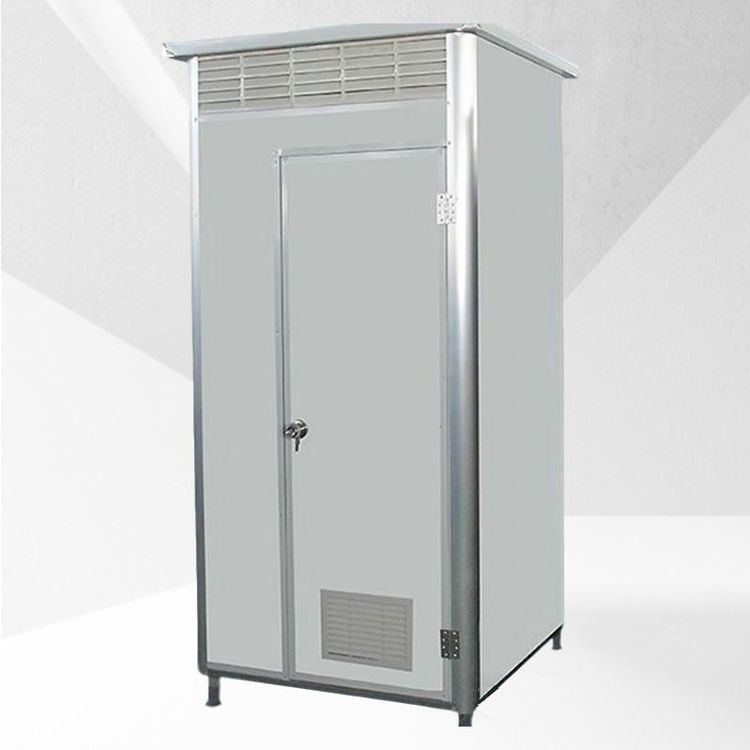
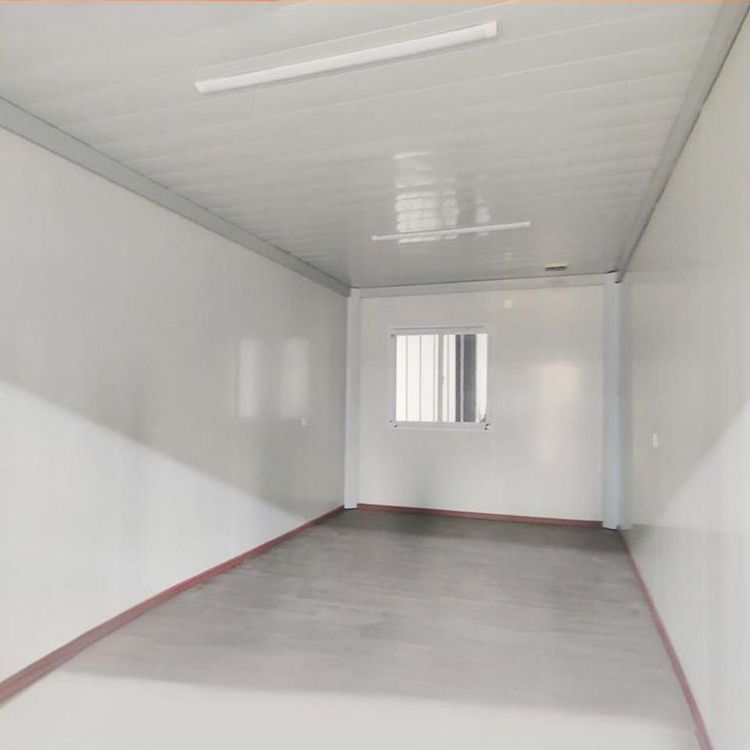
Antique-Style Mobile Toilet Interior
The interior of antique-style mobile toilets typically adheres to modern hygiene standards, equipped with water-saving, ventilation, barrier-free, and smart devices. Some support customized adjustments, achieving a combination of practicality and aesthetics that is 'antique on the outside and modern on the inside'.

Basic Sanitary Facilities
The core configuration inside antique-style mobile toilets is a water-saving flushing system, which reduces water consumption through optimized water flow design while ensuring cleanliness. For example, the Chinese-style antique mobile toilets customized by factories at the source in Qinghai adopt foam sealing and odor control technology, using foaming agents to cover the surface of excreta and form a sealed layer, blocking the spread of odors and replacing traditional water flushing methods to further reduce water usage. Some products are also equipped with vacuum suction systems that quickly clean waste through negative pressure, improving sanitation efficiency.Ventilation and Deodorization Systems
To address odor issues in enclosed spaces, forced ventilation devices are usually installed inside, combined with activated carbon filtration or photocatalyst technology to accelerate air circulation and decompose harmful gases. For example, exhaust fans or fresh air systems are installed at the top to ensure air circulation; deodorization modules are embedded in walls or floors to continuously release deodorizing agents, maintaining fresh indoor air.Barrier-Free and Humanized Design
Considering the needs of different groups of people, barrier-free facilities are standard inside, such as non-slip floors, handrails, low-positioned sinks, and toilets, facilitating use by the elderly, children, and people with disabilities. Some products also add a third toilet, providing an independent space equipped with baby care stations and emergency call buttons, reflecting humanistic care.Smart Sensing Devices
To enhance convenience of use, some antique-style mobile toilets incorporate smart technologies, such as sensor-activated faucets, flushing devices, and lighting systems, reducing the risk of contact contamination. For example, water automatically flows when hands approach the faucet and stops when they move away; night-time sensor lights automatically turn on and off based on light intensity, balancing energy efficiency and practicality.Customized Services
Suppliers usually offer services for adjusting interior layouts or adding functional modules, such as adding storage cabinets, makeup mirrors, air conditioners, etc., according to site requirements, or optimizing space partitioning to accommodate high-traffic scenarios. Some high-end products also support customization of cultural elements, such as incorporating traditional patterns and wooden textures into interior decorations to enhance the antique style.
Through the above configurations, antique-style mobile toilets not only retain the aesthetic characteristics of traditional architecture but also meet modern hygiene, comfort, and environmental protection requirements, making them suitable for scenic spots, parks, temporary events, and other scenarios.