
Anti-theft Explosion-proof Container House
The anti-theft explosion-proof container house is a special type of container house with anti-theft and explosion-proof functions. It can be used for the safe storage of flammable and explosive materials and important equipment, as well as providing personnel protection.
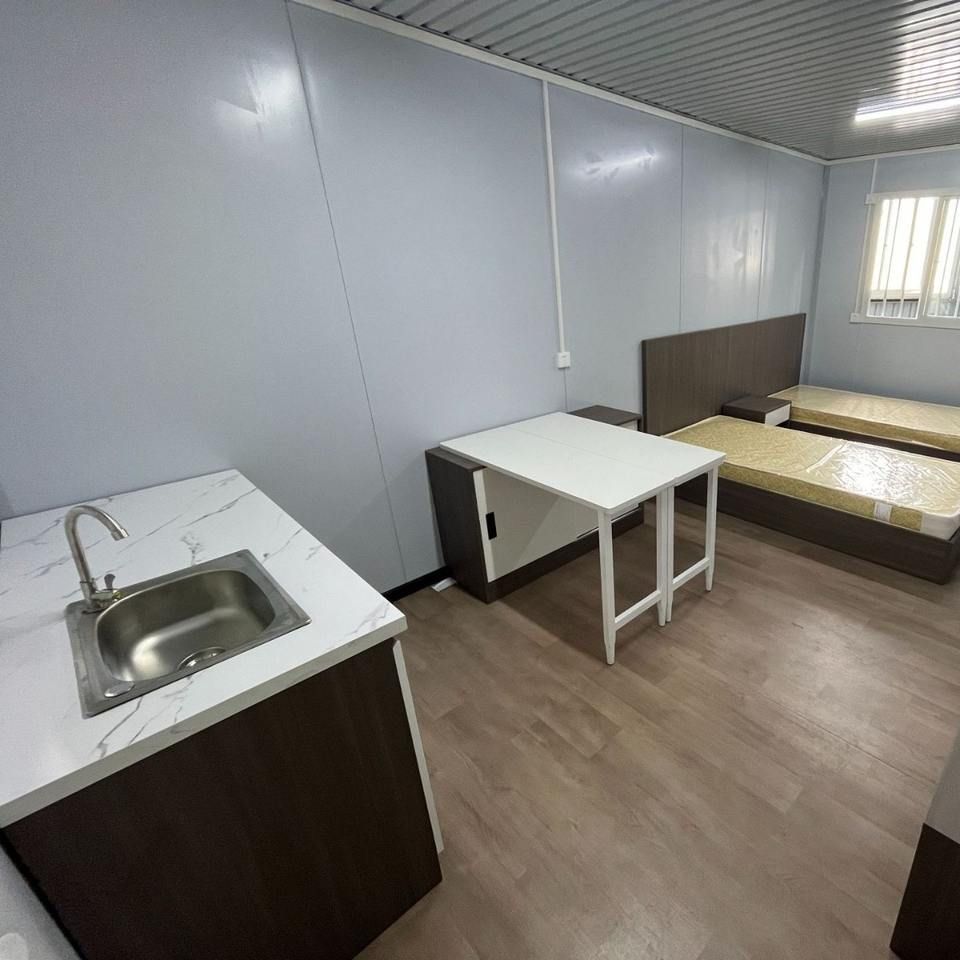
Anti-theft Function
Anti-theft container houses typically feature a sturdy steel structural frame. The box panels and door panels are composed of two layers of metal panels with a non-metallic layer embedded between them, providing high resistance to impact and damage. Additionally, the house can be equipped with fire-resistant and anti-theft main doors and emergency doors, with sound and light alarms installed on the doors for temperature, humidity, and various gas concentrations, further enhancing security. Some anti-theft container houses also support custom designs, such as choosing the color of the box body and adding anti-theft locks, to meet anti-theft needs in different scenarios.
Explosion-proof Function
Explosion-proof container houses are specifically designed for storing flammable and explosive materials. Their structure can withstand a certain degree of explosion shock waves, protecting internal goods or personnel from harm. The interior of explosion-proof container houses is usually equipped with explosion-proof electrical control boxes, positive pressure air circuit systems, explosion-proof centrifugal fan units, and filtration systems, which can maintain the pressure of the protective gas inside the house higher than that of the surrounding explosive gas environment outside, effectively preventing external explosive gas mixtures from entering the house. In addition, safety facilities such as explosion-proof air conditioners, monitoring systems, automatic fire extinguishing systems, and smoke alarms can be installed inside the house to ensure timely detection and handling of emergencies.
Application Scenarios
Anti-theft explosion-proof container houses are widely used in high-risk industries such as petroleum, chemicals, and coal mining for storing flammable and explosive materials such as alcohol, fuel, chemicals, pharmaceuticals, and hazardous materials. At the same time, they can also be used for the protection and placement of small, medium, and large prefabricated equipment, product sea transportation packaging, and equipment monitoring in harsh environments. In emergency management, anti-theft explosion-proof container houses can also be quickly transformed into disaster relief shelters, epidemic isolation points, or temporary medical stations, meeting the needs of foundation-free construction in complex terrains.



