Anti-Corrosion Wood Clad Container House
"Anti-Corrosion Wood Clad Container House" is not a standard architectural term, and it is rarely directly mentioned in publicly available information. However, reasonable speculation and explanation can be made based on the customization characteristics of container houses and anti-corrosion wooden houses.

I. Combination Forms of Anti-Corrosion Wood and Container Houses
Anti-corrosion wood is chemically treated timber with properties such as insect resistance, decay resistance, and moisture resistance, commonly used in outdoor structures like wooden houses and pavilions. Container houses, on the other hand, are temporary or permanent buildings transformed from standard shipping containers, offering advantages such as modularity, mobility, and rapid construction. "Anti-Corrosion Wood Clad Container House" may refer to two structural forms:
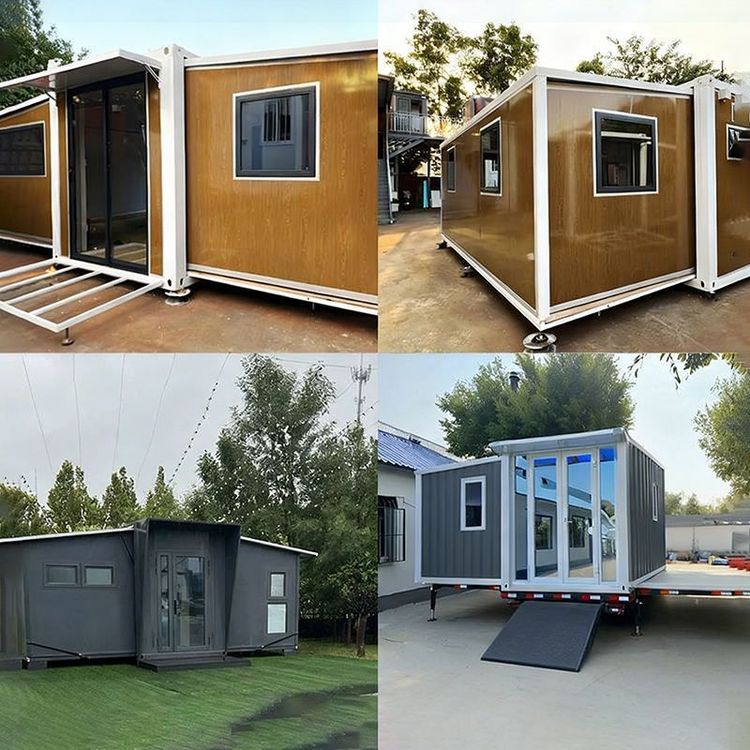
- Container Frame + Anti-Corrosion Wood Exterior: Using the steel structure of the container as the load-bearing main body, the exterior is clad with anti-corrosion wood panels as decorative or enclosing structures, retaining the modular characteristics of the container while enhancing aesthetics and a natural feel through the use of wood.
- Combination of Anti-Corrosion Wooden House and Container: Integrating an anti-corrosion wooden house (such as a rural resort wooden house or homestay villa) with container functional modules (such as bathrooms and kitchens) to form a hybrid structure building that combines the comfort of wooden architecture with the practicality of containers.
II. Customization Cases and Feasibility Analysis
According to publicly available information, manufacturers in Shenzhen and other places can customize anti-corrosion wooden houses (such as rural resorts and inns) with a delivery time of 10 days and a price of approximately ¥1800 per square meter, while customization of container house frames (such as steel structure villas) is also a common business. If the two are combined, the following conditions need to be met:
- Structural Compatibility: The container frame needs to have reserved installation interfaces for anti-corrosion wood panels or be connected through light steel keels to ensure the stability of the wood and metal structures.
- Anti-Corrosion Treatment: The wood needs to undergo in-depth anti-corrosion treatment (such as pressure impregnation with CCA or ACQ agents) to adapt to outdoor environments, especially the humid or salt-spray conditions that container houses may encounter.
- Design Flexibility: Anti-corrosion wood can be applied to exterior walls, roofs, balconies, and other parts, but the expansion and contraction characteristics of the wood need to be considered to avoid cracking or deformation due to temperature and humidity changes.
III. Application Scenarios and Advantages
Such buildings may be suitable for scenarios such as tourist resorts, eco-homestays, and rural renovations, with advantages including:
- Natural Aesthetics: The texture and color of anti-corrosion wood can create a warm and natural atmosphere, weakening the industrial feel of containers.
- Rapid Construction: The container frame provides the basic structure, and the anti-corrosion wood parts can be prefabricated, shortening the on-site construction period.
- Environmental Sustainability: Wood is a renewable material, and containers are recyclable, aligning with the concept of green architecture.
Note: In actual projects, it is necessary to comprehensively evaluate feasibility based on local building codes, climatic conditions, and budget. It is recommended to consult professional manufacturers or designers to obtain customized solutions.