Anshan Container House Construction
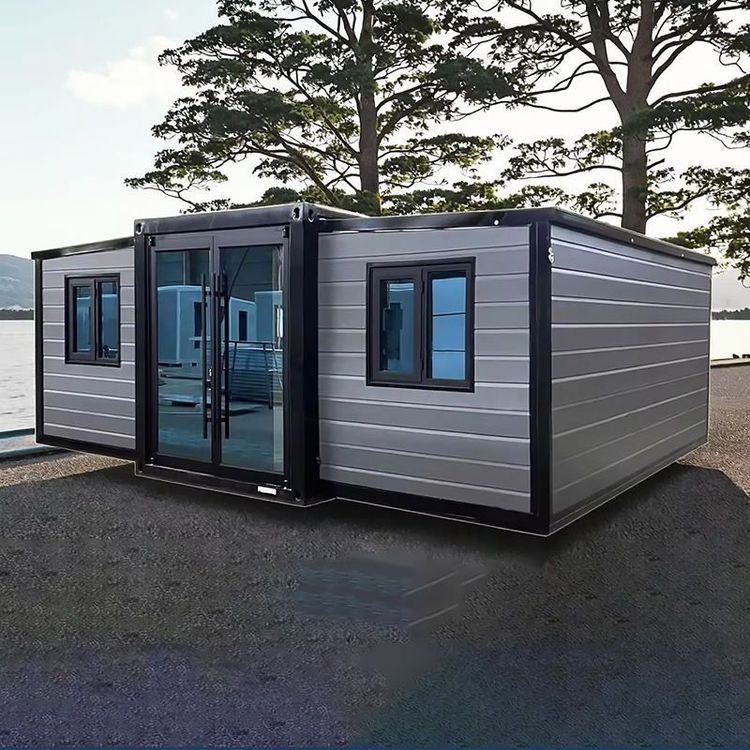
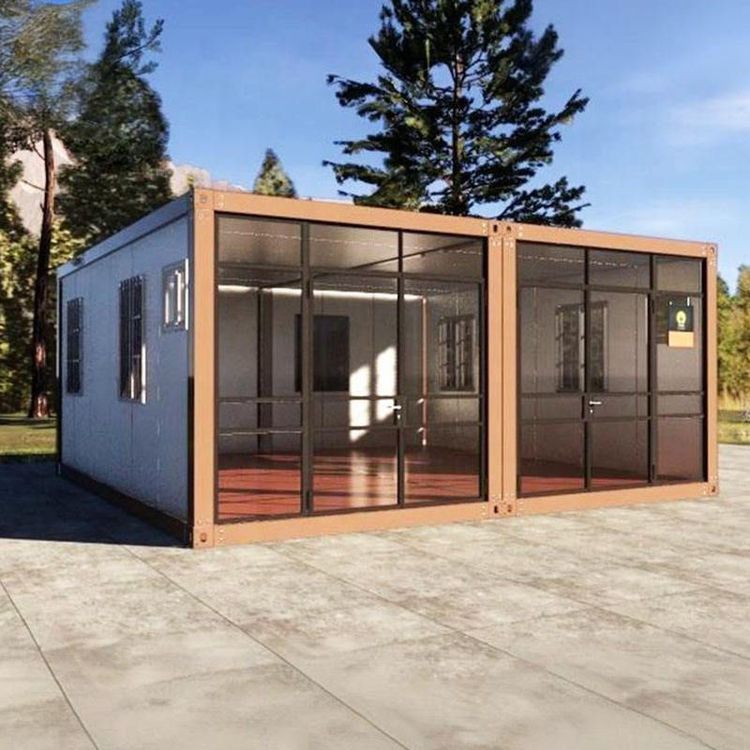
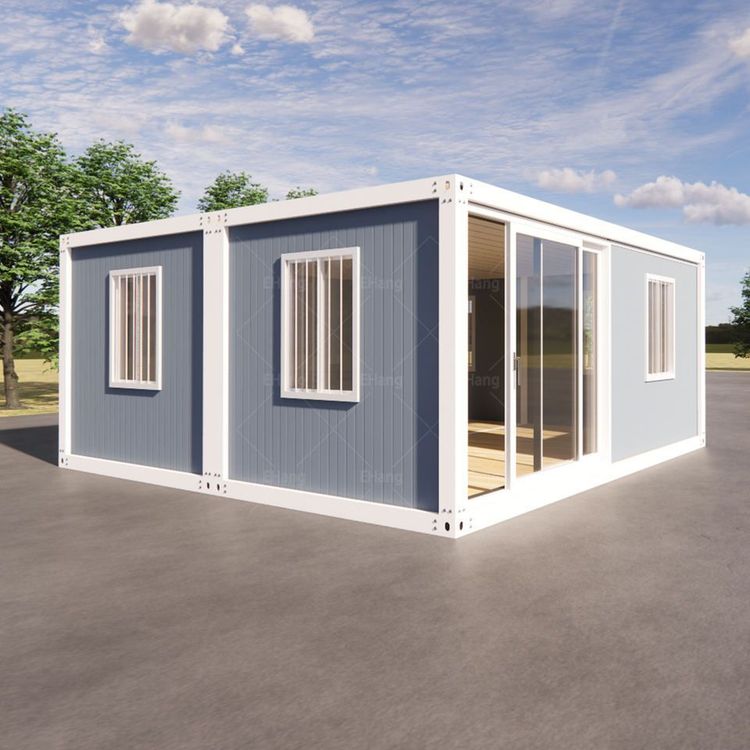
The construction of container houses in Anshan requires comprehensive consideration of design, materials, construction, and after-sales service, among other factors.

Design Aspect: The design of container houses should adhere to the principle of customization based on demand, fully considering details such as the terrain, climate, and intended use of the construction site. For example, in the climate conditions of Liaoning and its surrounding areas, it is necessary to address freeze-thaw cycles and strong winds, imposing higher requirements on the thickness of the profiles, the strength of node welding, and sealing performance. At the same time, the design concept should ensure a sense of modernity and technological advancement, while being economical and environmentally friendly.
Material Aspect: High-quality products typically use Q235B galvanized square tubes as the main load-bearing framework, secured with bolts and rivets to ensure damage-free transportation and rapid on-site reassembly. Wall panels can be made of 50mm or 75mm rock wool boards, glass wool boards, flame-retardant foam, etc., providing both insulation and fire resistance. The roof seams are sealed with butyl rubber waterproof tape, combined with a咬合 (bite-joint) structure between the color-coated steel plates and steel beams, forming a physical barrier to adapt to the humid environment during the rainy season. The bottom layer is laid with high-strength cement pressure boards (calcium silicate boards), which are resistant to seepage and moisture, meeting the high-load handling requirements of heavy industrial areas.
Construction Aspect: The construction of container houses follows a main line of 'modular design - CNC cutting - assembly welding - coating composite'. Based on mechanical simulation calculations, the factory determines the cross-sectional dimensions of the base frame, top frame, and columns. Subsequently, plasma cutting machines are used to process the steel plates and keels, and high-frequency welding machines complete the fusion welding of key nodes, ensuring that the structural rigidity meets anti-wind and snow standards. During on-site installation, the prefabrication rate in the factory exceeds 90%, requiring only lifting and positioning as well as pipeline connections. The installation time for a single container unit is shortened to a few hours, significantly reducing the project's downtime and labor costs.
After-sales Aspect: Choosing a manufacturer with comprehensive after-sales service is crucial. After-sales personnel should be available 24 hours a day, with online answers provided within 1 hour. If on-site maintenance is required, they should arrive at the customer's location within 24 hours to provide a permanent warranty for customers.