Anqing Roadside Portable Toilet
Information about portable toilets along the roadside in Anqing mainly includes disposal of scrapped toilets, product customization, and adjustments to toilet construction in certain areas.

I. Disposal of Scrapped Toilets The Anqing Environmental Sanitation Management Office has publicly disposed of portable public toilets multiple times. For example, an announcement on May 25, 2026, indicated that the successful bidder for two scrapped portable public toilets was Hu Kongbai (an individual), with a transaction amount of 2,500 yuan. Previously, the office had also issued a disposal announcement for two portable public toilets purchased in 2014, with a starting bid of 960 yuan. This information shows that Anqing has a clear management process for upgrading old portable public toilets, disposing of scrapped assets through public bidding, which not only standardizes resource recycling but also reflects transparency in public facility management. The disposal price of scrapped public toilets is influenced by factors such as purchase time and usage condition. Toilets purchased in 2014 had a lower starting bid due to their longer service life, while those disposed of later may have had higher transaction prices due to better maintenance or material differences.
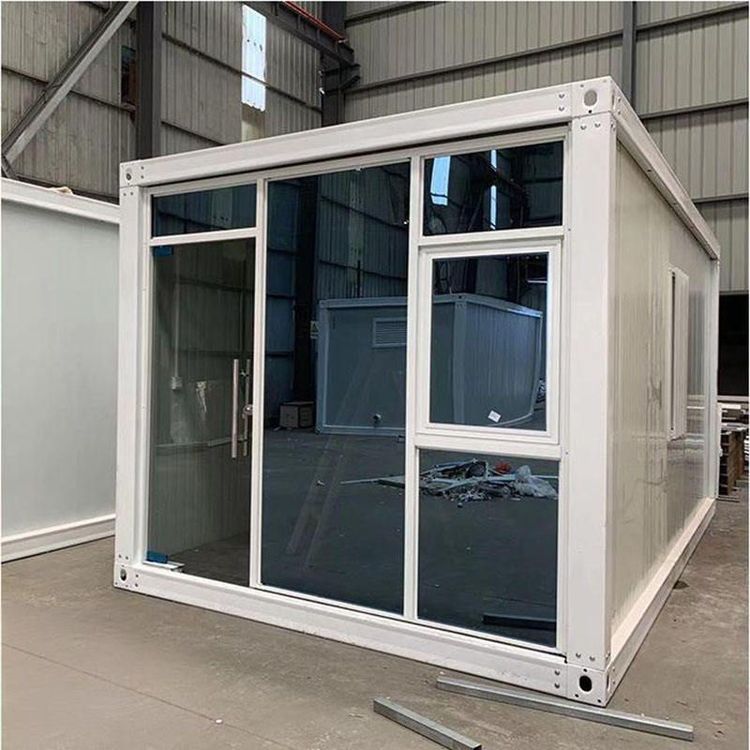
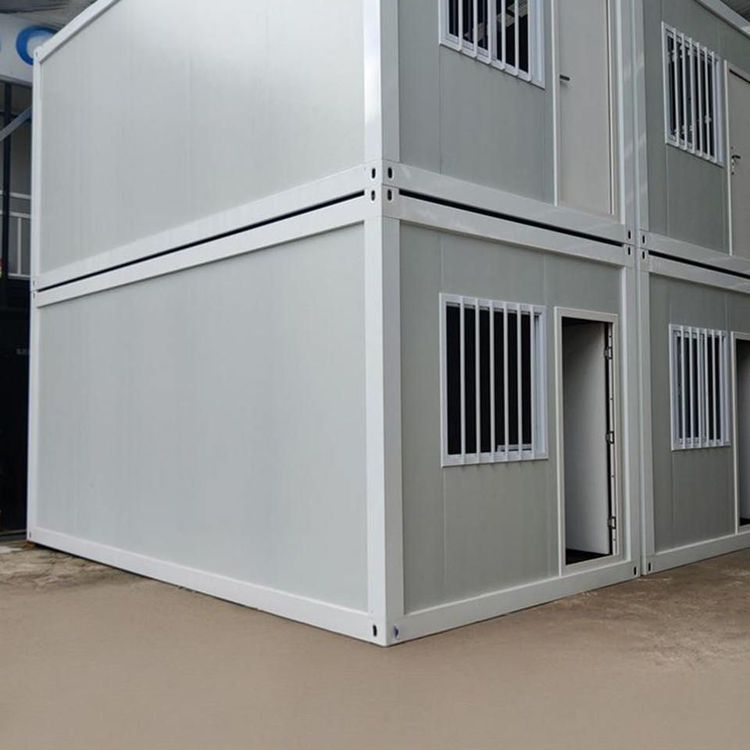
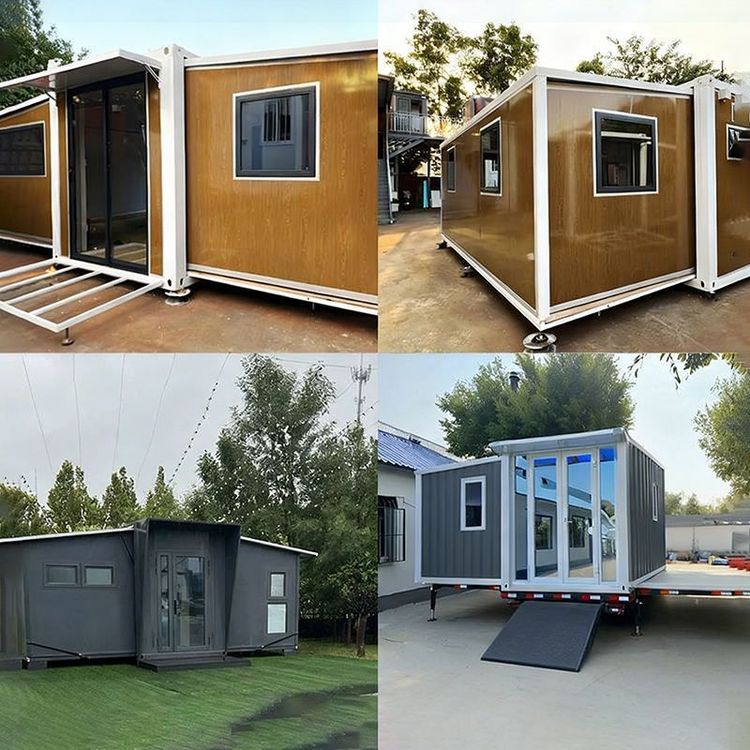
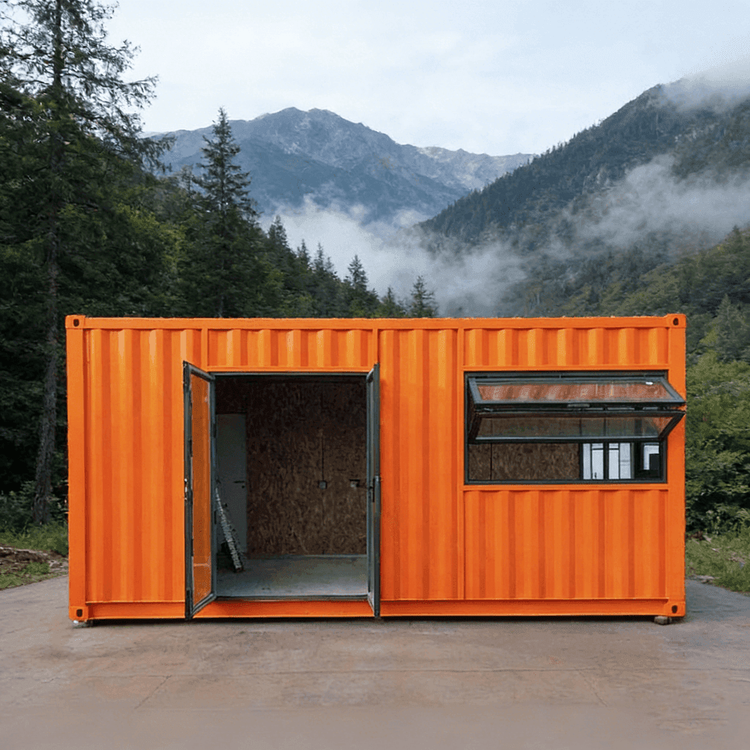
II. Product Customization and Types Portable toilet products in the Anqing market are diverse. Brands include Jinda, Xunteng Weiye, Renjie, etc.; types cover portable toilets, eco-friendly toilets, container toilets, etc.; materials include steel structures, stainless steel, fiberglass, etc.; and they are widely used in scenarios such as portable toilets, outdoor restrooms, and public toilets. This diversity meets the needs of different scenarios. For example, steel-structured toilets are suitable for long-term fixed use, while fiberglass toilets are more suitable for temporary events or construction sites due to their lightweight and portability. Eco-friendly toilets reduce dependence on traditional water resources through technologies such as biodegradation and recirculating water, aligning with green development concepts.
III. Adjustments to Toilet Construction in Certain Areas In Xinqiao Village, Changling Town, Wangjiang County, there was a situation where rural toilets were built along the roadside, affecting traffic and the village's appearance. After coordination by the town's discipline inspection committee and multiple departments, the old toilets were demolished, and new toilets were relocated and built for use. This case reflects Anqing's standardized management of toilet location and construction in the process of promoting rural living environment improvements, aiming to enhance road traffic efficiency and the overall image of the village.