Anning Container House
There is relatively little information on Anning container houses, but they can be introduced by combining the general characteristics of container houses.
Structural and Material Characteristics
Container houses typically use sturdy containers as their basic structural units. The containers themselves are made of high-strength steel, providing excellent resistance to compression, wind, and earthquakes. This structure enables the house to withstand significant external impacts and remain relatively stable in harsh natural environments, such as strong winds and earthquakes, offering safe shelter for occupants. The material also has good fire resistance, effectively preventing the spread of fire and reducing the danger in case of a fire.
Installation and Mobility Advantages
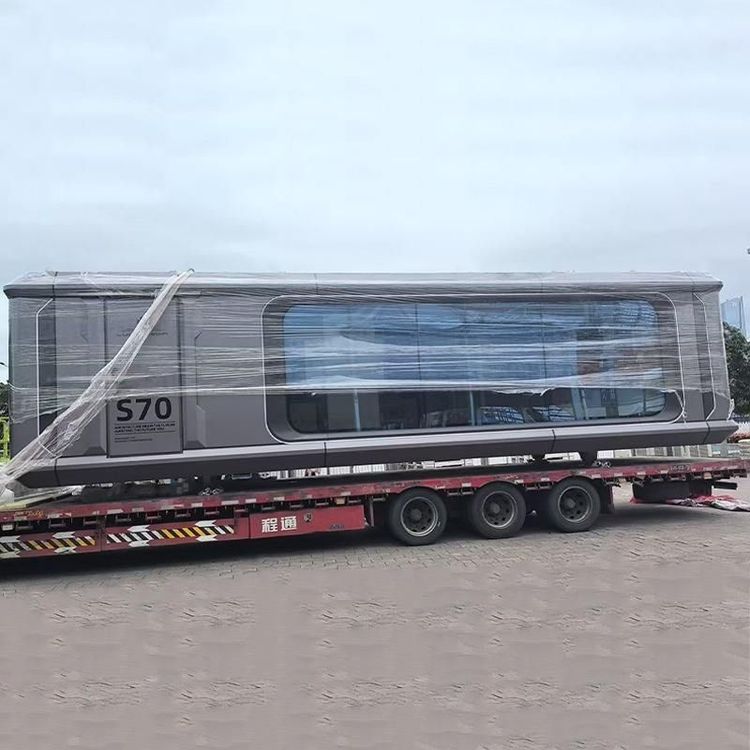
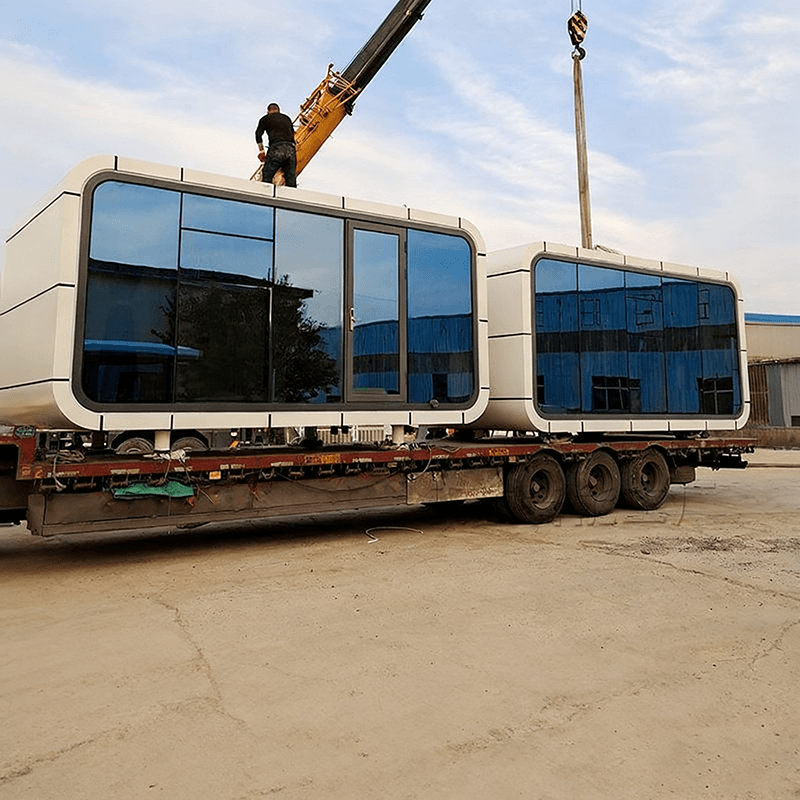
Container houses are easy to install and can be quickly set up. On the construction site, simply assemble and connect the prefabricated container modules to form a complete living or working space in a short time, greatly shortening the construction period and improving efficiency. Moreover, they are highly mobile. When the location needs to be changed, the entire house can be transported using professional equipment without the need for large-scale demolition and reconstruction as with traditional buildings, saving a significant amount of time and cost.
Space Utilization and Customization
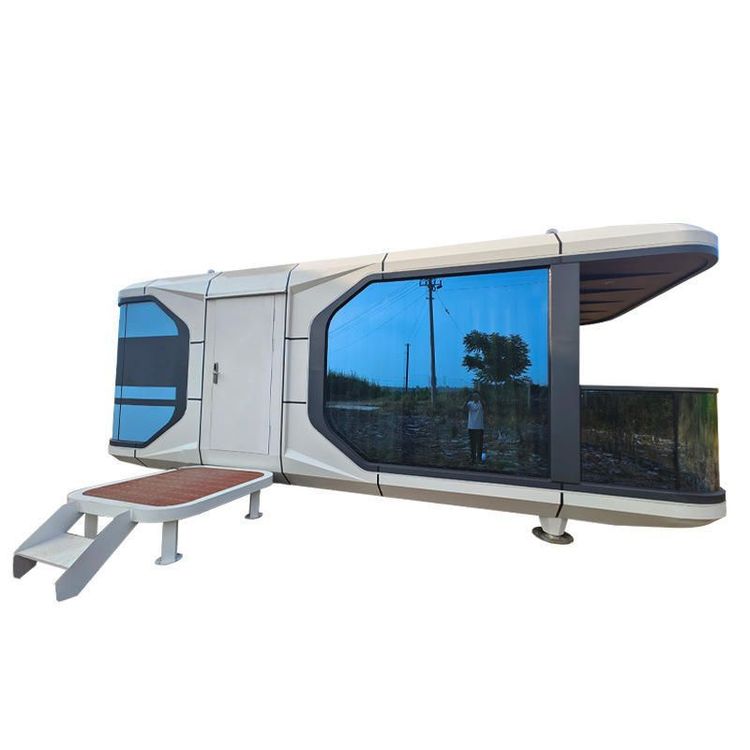
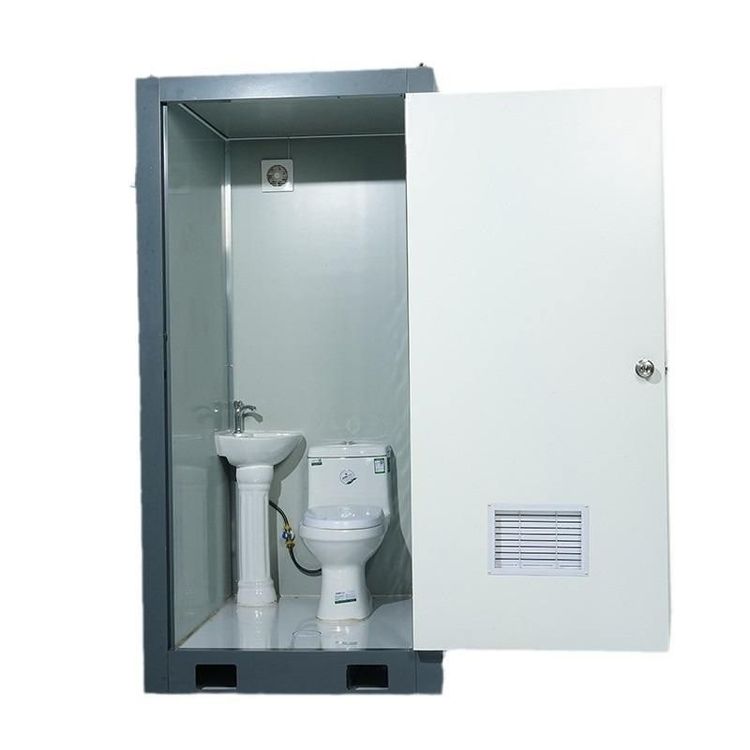
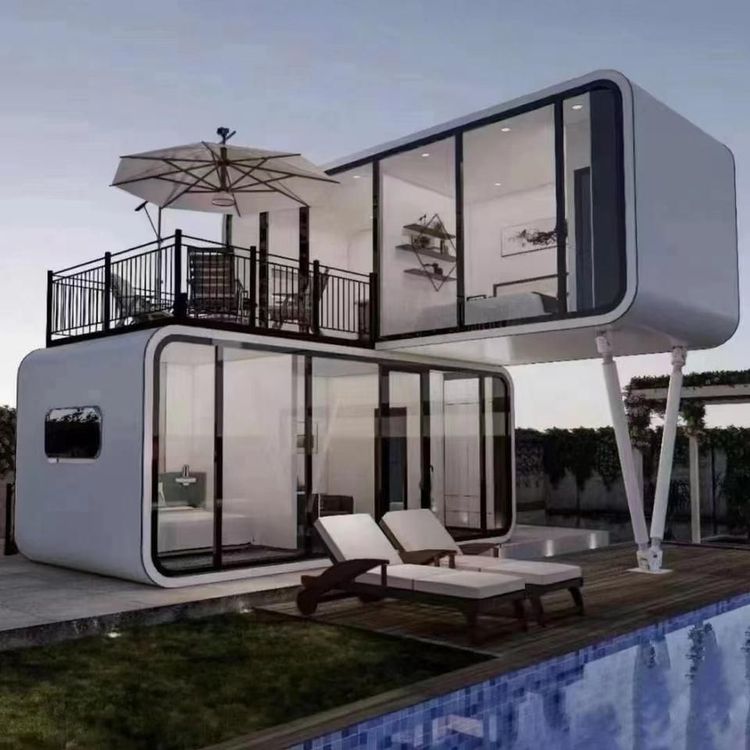
Although the size of containers is relatively fixed, diverse spatial layouts can be created through reasonable design and combination. Multiple containers can be joined or stacked according to actual needs to form houses of different scales and functions, such as single-story or multi-story residences, offices, and warehouses. Additionally, the interior of the containers can be customized with the installation of doors, windows, water and electricity lines, lighting fixtures, etc., to meet different usage requirements and achieve customized designs.
Economic and Environmental Benefits
From an economic perspective, the construction cost of container houses is relatively low. Compared to traditional brick-and-mortar or reinforced concrete structures, they reduce the use of building materials and construction procedures, lowering material procurement and labor costs. Furthermore, due to their mobility, the houses can be reused multiple times, further enhancing their economic value. In terms of environmental protection, the construction process of container houses generates less construction waste and has a smaller impact on the environment, aligning with the concept of sustainable development.