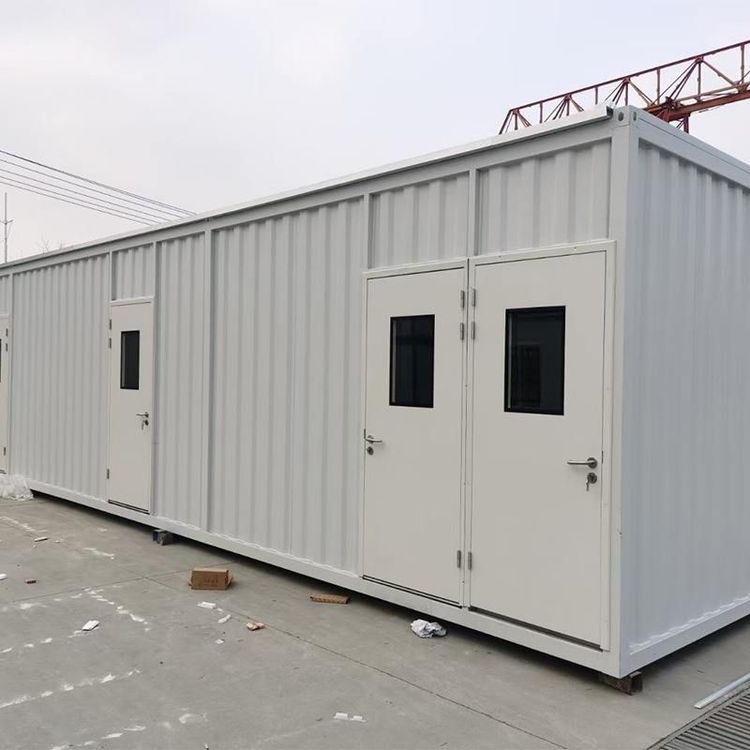
Ankang Microbial Mobile Toilet
The Ankang microbial mobile toilet is an environmentally friendly mobile toilet that uses microbial technology to treat waste. Its core lies in utilizing biodegradation or bioenzyme degradation processes to achieve harmless treatment of feces, reducing environmental pollution and enhancing resource utilization.

Core Principles of Microbial Treatment Technology
The key to microbial mobile toilets lies in the decomposition of organic matter in feces by specific microbial communities. These toilets typically follow two technological paths:
- Pure Biodegradation Technology: This relies on naturally occurring microorganisms (such as aerobic and anaerobic bacteria) to decompose feces under suitable temperature and humidity conditions, with the final products being carbon dioxide, water, and a small amount of inorganic salts. This technology does not require chemical additives but requires control of environmental parameters (such as ventilation and temperature) to maintain microbial activity. It is commonly found in small-scale environmentally friendly mobile toilets.
- Bioenzyme Degradation + Solid-Liquid Separation Dual Process: For example, equipment provided by Shanghai Xuhu Industrial Co., Ltd. accelerates the decomposition of organic matter through bioenzymes while employing solid-liquid separation technology to divide feces into solid residue and liquid filtrate. The solid residue, after treatment, meets agricultural irrigation standards (such as nitrogen and phosphorus content) and can be directly returned to the fields as organic fertilizer. The liquid filtrate, after disinfection, can be recycled for toilet flushing or discharged, achieving a closed-loop water resource utilization.
Technological Advantages and Application Scenarios
- Environmental Friendliness: Microbial treatment avoids the reliance of traditional toilets on septic tanks, reduces the emission of greenhouse gases such as methane, and poses no risk of chemical pollution.
- Water Conservation: Some designs achieve water circulation through solid-liquid separation, with a single toilet flush using as little as 0.5 liters of water, making them suitable for water-scarce areas or temporary event scenarios.
- Resource Utilization: The treated solid residue is rich in nitrogen, phosphorus, and potassium and can serve as an organic fertilizer substitute for chemical fertilizers, promoting agricultural sustainability.
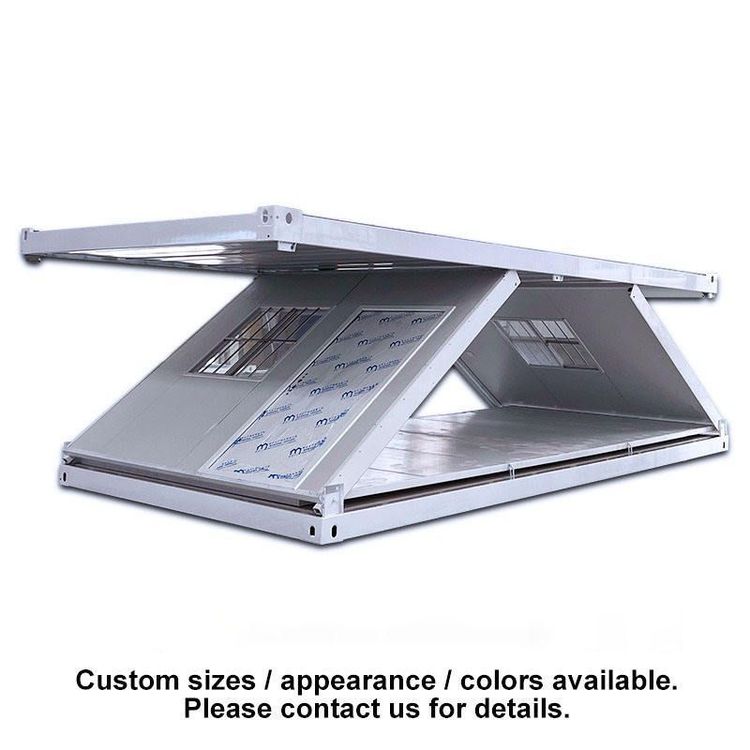
- Adaptability: Modular design facilitates rapid deployment and is suitable for temporary or mobile scenarios such as tourist attractions, post-disaster relief, and large-scale events.
Technological Challenges and Development Directions
The widespread adoption of microbial mobile toilets still faces cost issues: efficient microbial strains require regular replenishment, and the initial investment in bioenzyme degradation equipment is relatively high. Future technological optimization directions include screening microbial strains that are resistant to extreme environments (such as low temperatures and high salinity) and developing low-cost solid-liquid separation membrane materials to reduce operation and maintenance costs and expand the scope of application.