
Anju Container House Insulation
Anju container houses achieve efficient thermal insulation primarily through the use of high-quality insulation materials, multi-layer composite structures, and sealing designs. Specific insulation measures are as follows:
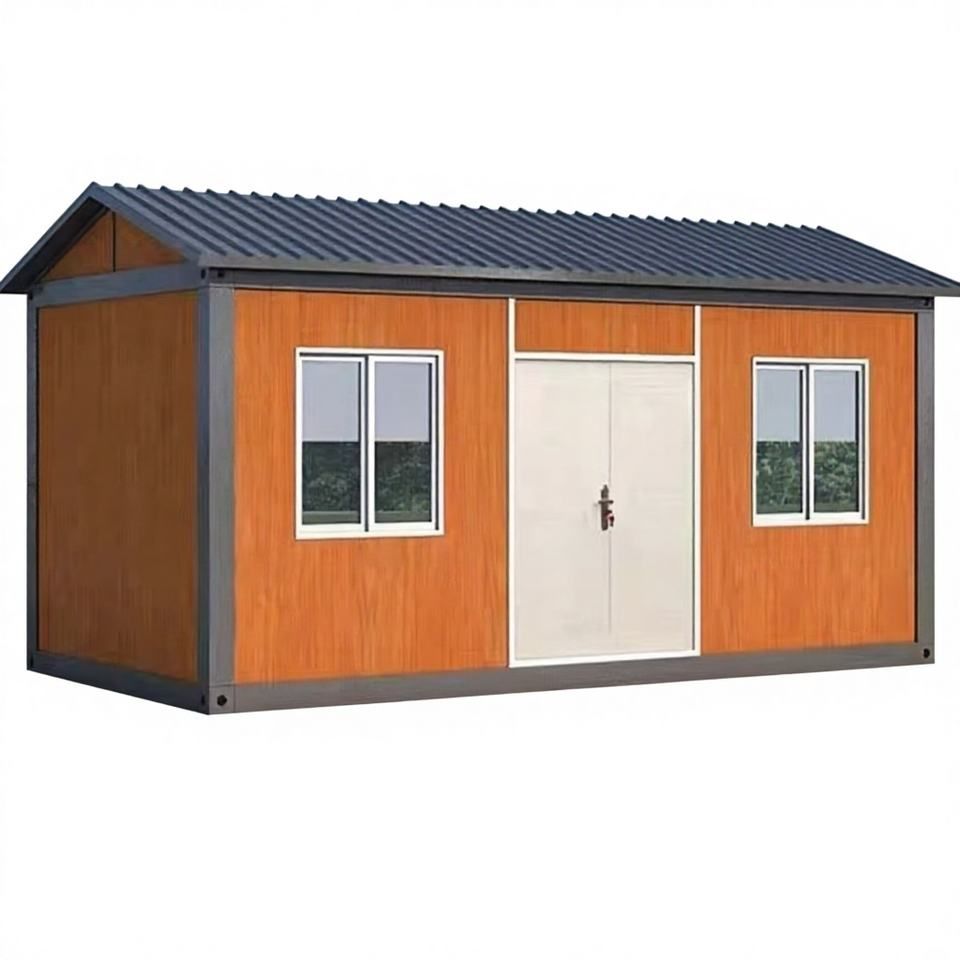
1. Insulation Material Selection
Anju container houses commonly employ insulation core materials with low thermal conductivity, such as rock wool, polyurethane foam, or fiberglass wool. Among them, rock wool has a high bulk density, combining Class A fire resistance with long-term stability; polyurethane foam has a high closed-cell ratio, providing superior insulation and effectively reducing heat exchange between indoors and outdoors. For example, the luxury packing-box units from Beijing Tianxia Anju International Integrated Housing Co., Ltd. explicitly use fiberglass wool as the primary material, with its insulation performance verified through actual use.
2. Multi-Layer Composite Wall Structure
The walls adopt a “outer panel + insulation layer + inner panel” sandwich structure:
- The outer layer consists of corrugated color-coated steel sheets or aluminum-zinc coated steel sheets, offering corrosion and UV resistance;
- The middle layer is filled with insulation material, blocking heat conduction paths;
- The inner layer uses non-combustible materials such as gypsum fiberboard and calcium silicate board, enhancing fire resistance and improving indoor comfort.
This structure reduces air conditioning energy consumption in summer and minimizes heat loss in winter. For example, color-steel packing boxes in Xinyang achieve “summer heat insulation and winter warmth retention” through this design.
3. Sealing and Thermal Break Design
- The seams of the container body are treated with high-strength bolt connections + sealant, with embedded parts and positioning pins at the corners to ensure overall airtightness and reduce cold air infiltration;
- Doors and windows are made of thermal-break aluminum alloy, paired with double-glazed units to further reduce heat conduction efficiency. For example, the mobile toilets for temporary housing in Jinzhai incorporate UPVC corrosion-resistant pipes and micro vacuum pumps, balancing insulation and environmental protection needs.
4. Additional Insulation Measures
For extreme climate regions, some products add 50mm-75mm thick insulation layers or independent heating/cooling systems. For example, Wuhan Liren Anju emphasizes that residential containers must be designed according to fire safety regulations and uses rock wool color-steel sheets to enhance safety and insulation; Chongqing Le'anju containers meet insulation needs for different scenarios through modular construction and functional zoning.



