
Anhui Mobile Smart Toilet Design
The design of Anhui mobile smart toilets integrates modular concepts, eco-friendly technologies, and user-friendly features, offering flexible deployment, water and energy conservation, and intelligent comfort suitable for various scenarios.
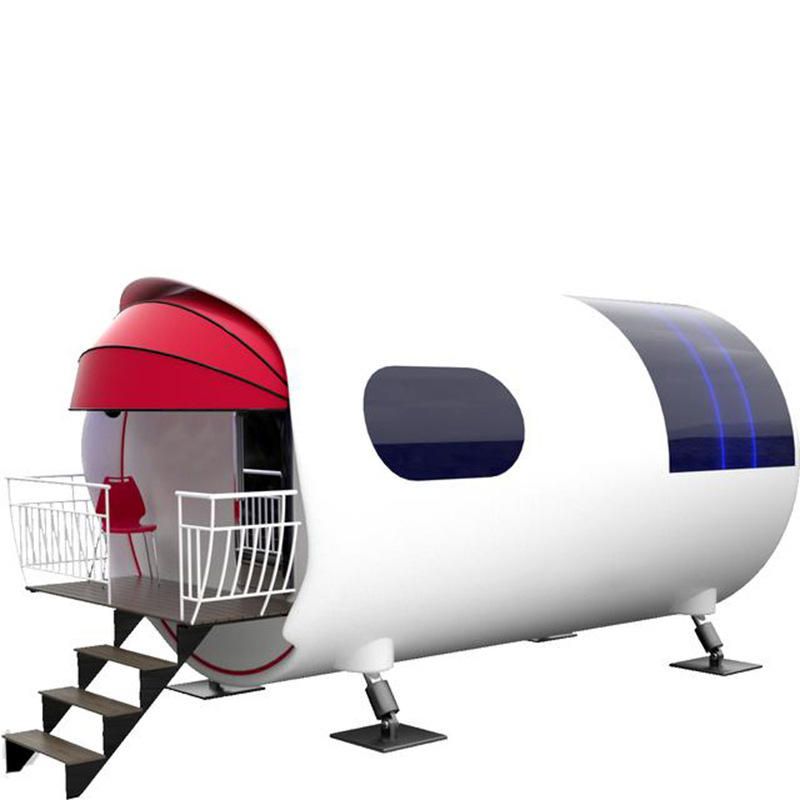
Modular Design and Mobility
Anhui mobile smart toilets adopt a modular box structure, with the main materials being high-strength, lightweight, and corrosion-resistant fiberglass or color-coated steel plates. This ensures structural stability while facilitating easy transportation and installation. This design enables rapid deployment to temporary large-scale events (such as music festivals and sports events), areas with insufficient fixed public toilet networks, or emergency support scenarios (such as natural disasters and epidemic quarantine sites), meeting dynamic demands.
Internal Composition and Technical Features
1. Structure and Materials
The internal space is reasonably planned, equipped with basic facilities such as squat or sit toilets, washbasins, mirrors, and storage racks. High-end models include additional lighting and ventilation fans. The outer shell is made of corrosion-resistant and waterproof fiberglass or high-strength plastic, the internal partitions use waterproof panels, and the floor is covered with anti-slip materials, balancing durability and safety.
2. Sewage Disposal and Treatment Systems
There are two types: storage-type and circulating water flushing-type:
- Storage-type: A large-capacity sewage storage tank is installed at the bottom, requiring regular cleaning and transportation by professional vehicles, suitable for areas without sewage pipe networks.
- Circulating water flushing-type: Equipped with a small water tank and a circulating water treatment system, the flushing water is filtered and disinfected for reuse, achieving a water-saving rate of over 80%, aligning with environmental protection needs.
3. Ventilation and Deodorization Design
Air circulation is maintained through ventilation windows or exhaust systems, with high-end models incorporating deodorization devices (such as activated carbon filtration and photocatalyst technology), significantly improving the user experience.
User-Friendly Design
1. Barrier-Free Facilities
Some models are designed with barrier-free access, handrails, and low-level facilities for special populations, enhancing usability.
2. Gender-Specific Optimization
For example, a customized Apple Pod mobile toilet in a scenic area features multiple squat positions in the men's area, with the front wall decorated with Great Wall panels and clear signage, reducing waiting times and reflecting attention to detail.
Intelligent and Eco-Friendly Upgrades
In the fields of cultural tourism attractions and rural revitalization, Anhui mobile toilets are evolving from being merely "usable" to being aesthetically pleasing, eco-friendly, intelligent, and comfortable. For instance, they integrate intelligent monitoring systems (such as toilet occupancy indicators and air quality detection), solar power supply, and the application of eco-friendly materials, meeting creative and ecological needs and promoting the transformation of public toilets from single-function facilities to comprehensive service spaces.



