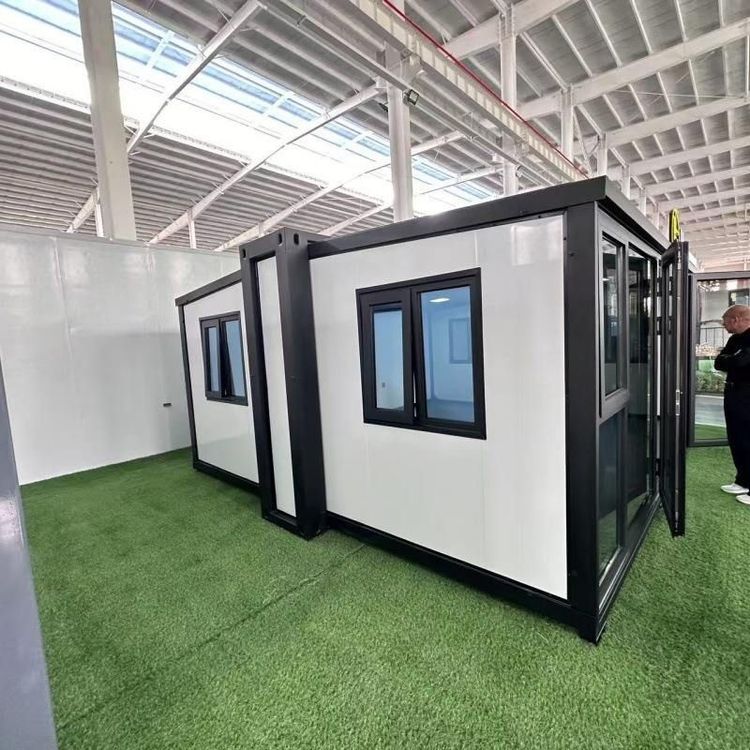
Anhui Marathon Mobile Toilet
Anhui Marathon mobile toilets are important facilities that meet the temporary toilet needs of the event. Their rental services cover various aspects such as demand assessment, supplier selection, contract signing, on-site setup, event maintenance, and recovery, and they have core functions including resolving crowd concentration, ensuring hygiene and safety, and providing convenience.

Core Functions of Mobile Toilets
Resolving Crowd Concentration Issues
Marathon events attract a large number of participants, resulting in extremely high crowd density at the event site. Fixed public toilets are often unable to meet the demand. Mobile toilets, through reasonable and dispersed layout, reduce queuing times and enhance the experience of participants. For example, setting up a group of mobile toilets every 500 meters to 1 kilometer in large-scale events can effectively divert the crowd and avoid local congestion.Ensuring Hygiene and Safety
Mobile toilets are manufactured using eco-friendly materials and are equipped with sealing and ventilation features to prevent odors and bacterial growth. Rental companies arrange for dedicated personnel to clean them regularly, especially in 24-hour service scenarios (such as college entrance exams and marathons), where the cleaning frequency can reach once per hour to ensure that the facilities meet hygiene standards. Additionally, some toilets are equipped with disinfectants, hand sanitizers, and other supplies to further reduce the risk of cross-infection.Providing Convenience
Mobile toilets can be flexibly arranged according to event needs, such as being placed at the start/finish lines, refreshment stations, or areas with high foot traffic, reducing the time participants spend searching for toilets. Their mobility also avoids the cost of modifying fixed public toilets, making them particularly suitable for temporary large-scale events.
Rental Process and Specifications
Demand Assessment
Event organizers need to calculate the required number of toilets based on factors such as the number of participants, venue size, and event duration. For example, it is recommended to allocate 1-2 mobile toilets per 100 people and reserve a 10%-20% surplus to handle unexpected situations.Supplier Selection
Prioritize rental companies with a good reputation and well-equipped facilities. It is necessary to evaluate their service content (such as cleaning frequency and maintenance response time), equipment condition (such as ventilation systems and non-slip floors), and customer reviews. Some suppliers also offer “mother-and-baby dedicated toilet stalls” equipped with diaper-changing tables and baby seats to meet special needs.Contract Signing and Execution
The contract should clearly specify the service content, price, service period, and liability for breach of contract. Before the event, the supplier needs to transport the toilets to the agreed-upon locations and conduct debugging; during the event, arrange for dedicated personnel to maintain them; and after the event, be responsible for recovery, cleaning, and equipment inspection and repair to ensure safety for the next use.
Optimization for Special Scenarios
In 24-hour service scenarios such as the Anhui college entrance exams, the cleaning and maintenance frequency of mobile toilets is higher, and some areas are also equipped with night lighting and non-slip measures to ensure the safety of users. Scenic spots enhance humanized service levels through “mother-and-baby dedicated toilet stalls,” demonstrating the diverse application value of mobile toilets.