Anhui Container Creative House
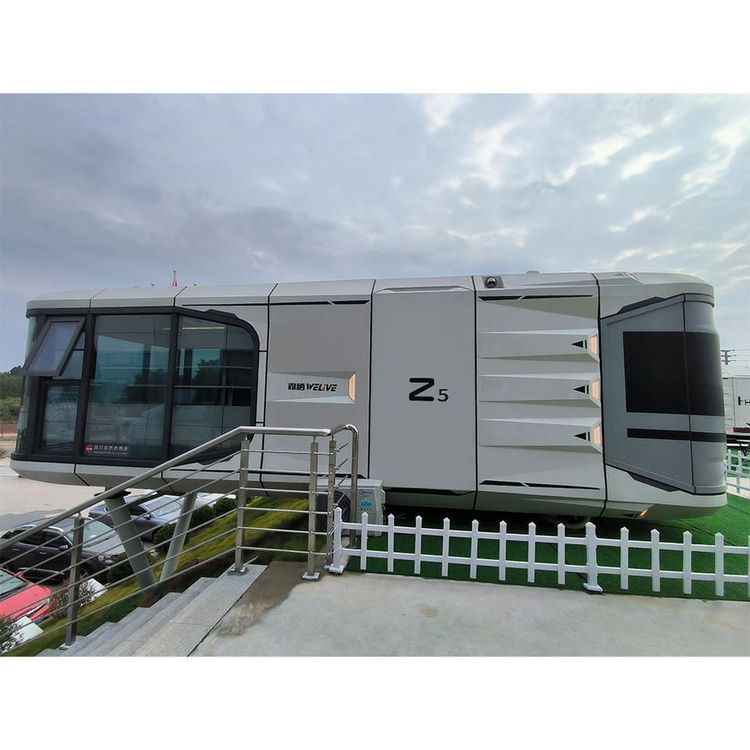
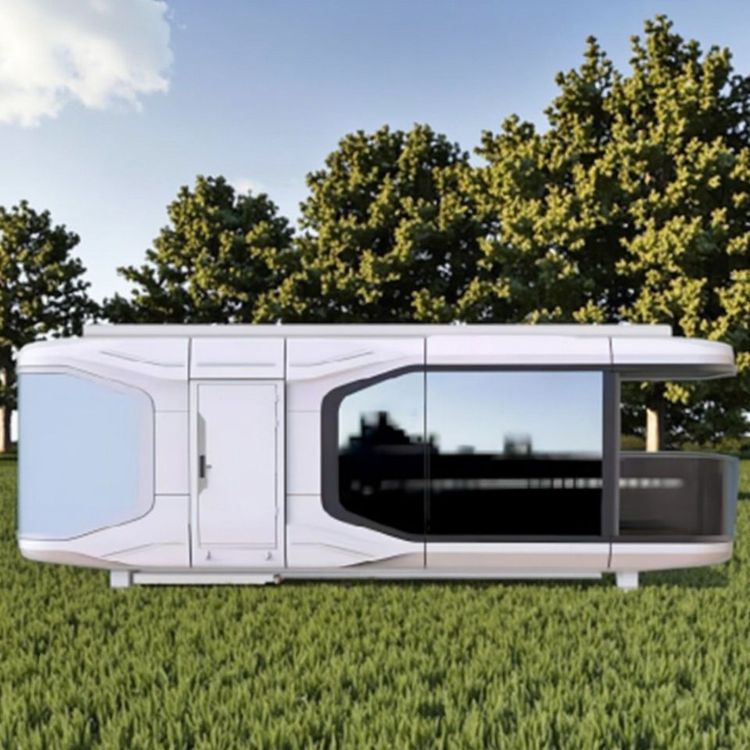
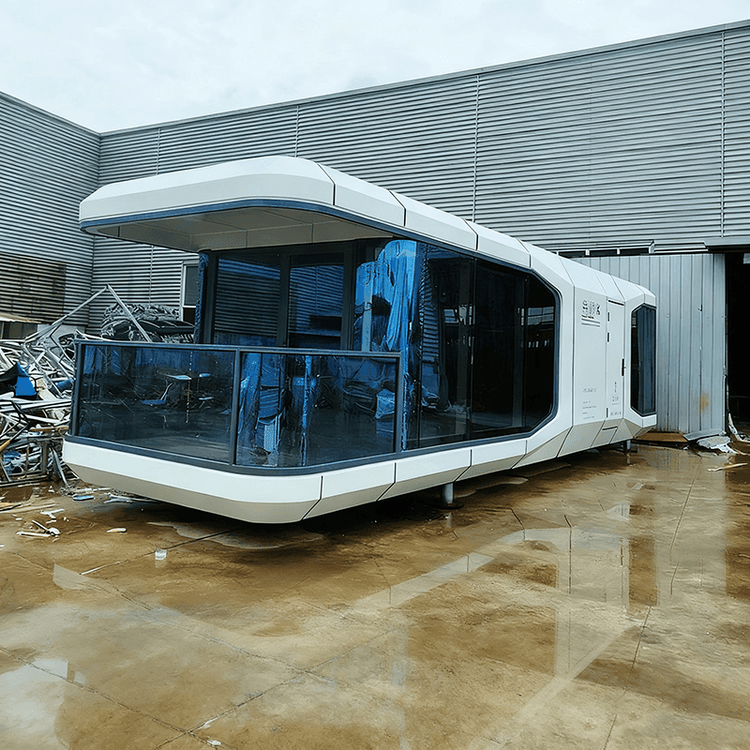
Anhui container creative houses are movable, modular buildings transformed from standard containers, integrating creative design with practical functions and widely used in residential, commercial, cultural tourism, and other fields.

I. Core Features
Modularity and Flexibility
Container creative houses use standard containers as units, enabling space expansion through splicing and stacking, and allowing for rapid assembly and disassembly. For example, the snack street project in Lieshan District, Huaibei, Anhui, adopts container steel-structure houses, which are convenient for transportation and suitable for scenarios requiring frequent site changes. Their modular design supports personalized layouts to meet different functional needs.Environmental Protection and Cost-Effectiveness
Container houses often use recyclable materials, such as color-steel sandwich panels, which offer thermal insulation and wind resistance, along with short construction periods and low costs. Some projects reduce construction waste by refurbishing discarded containers (e.g., Songxiangyuan Cliffside Restaurant was transformed from 67 old containers), aligning with sustainable development concepts.Creative Design
Container houses break away from traditional architectural forms, creating unique appearances through cutting and combination. For example, Joshua Tree Apartments arrange containers in a starburst style, creating a sculptural visual effect; Caterpillar House uses convection principles to design a ventilation system, reflecting the integration of function and aesthetics.
II. Application Scenarios
Residential Field
Including villas, homestays, and temporary housing. Prefabricated container homestays introduce natural light through large glass windows and offer comfortable living experiences with customized decorations. For example, some projects in Anhui integrate containers with natural landscapes to create a wild atmosphere.Commercial Facilities
Covering sales offices, marketing centers, restaurants, and cafes. Red Sun Design Agency has completed multiple container sales office projects in Hefei and Lu'an, Anhui, enhancing brand value through differentiated design; the Starbucks store in Taiwan uses 29 stacked containers to form an iconic grid structure.Cultural Tourism and Public Spaces
Such as scenic area supporting facilities, temporary exhibition halls, and art spaces. Songxiangyuan Cliffside Restaurant uses containers to arrange viewing platforms in a staggered manner, enhancing spatial drama; the Shijia Fenghua project in Zaozhuang, Shandong, creates urban exhibition halls with containers, enabling rapid implementation.
III. Technical Advantages
Structural Strength
Containers themselves have strong load-bearing capacity and superior corrosion and fire resistance compared to ordinary buildings, making them suitable for complex terrains. For example, movable panel houses have an earthquake resistance of magnitude 7 and a floor load capacity of 100KG/square meter.Rapid Construction
After foundation treatment, containers can be directly hoisted, with installation periods as short as one day, significantly reducing time costs. For example, suburban cultural and creative projects use integrated container houses to achieve 'architectural freedom'.Movability
Houses can be disassembled and reassembled, adapting to site changes and avoiding resource waste. This feature gives them significant advantages in the field of temporary buildings.