
Andy Mobile Toilet
Currently, there is no publicly available authoritative information about 'Andy Mobile Toilet'. The following provides a popular science introduction focusing on the common types, technical features, and application scenarios of mobile toilets:
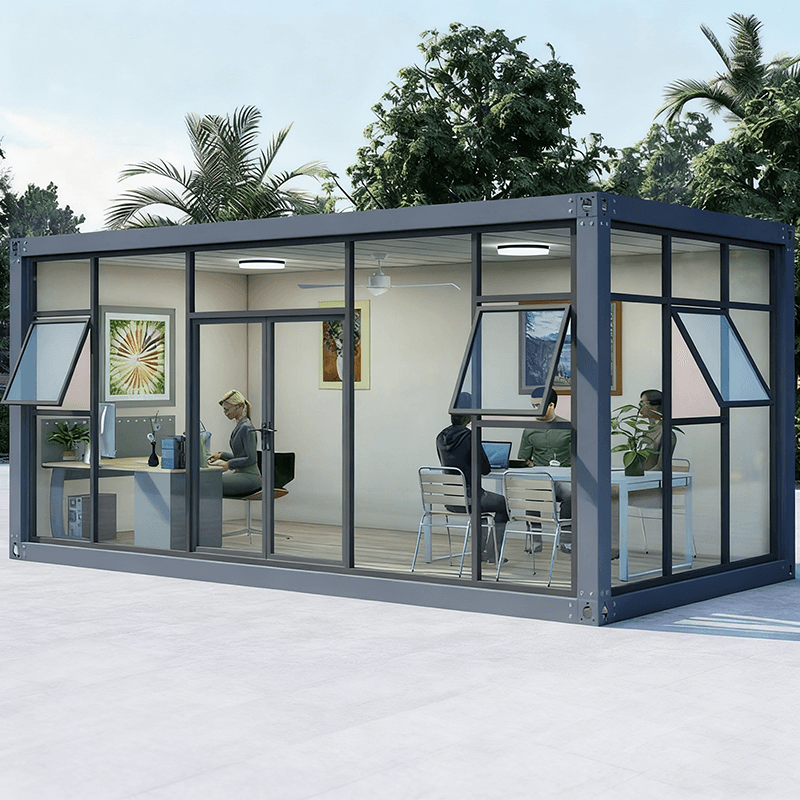
Mobile toilets are public sanitation facilities that can be moved and flexibly arranged, typically used in temporary events, outdoor venues, or areas lacking fixed toilets. Their core advantages lie in requiring no complex infrastructure, enabling rapid deployment, and being environmentally friendly and energy-efficient. Based on technical principles and design differences, mobile toilets can be classified into the following categories:
1. Packing-type Mobile Toilets
These toilets use biodegradable plastic bags to seal and collect excreta, automatically replacing the bag after each use to prevent odor diffusion. They are suitable for scenarios without water and electricity, such as wilderness camping and disaster relief. Their advantages include simple structure and low maintenance costs, but they require regular garbage bag cleaning and have limited capacity.
2. Foam-sealing Mobile Toilets
These toilets utilize a foaming device to generate foam that covers the toilet bowl, reducing odor through the lubricating and sealing effects of the foam while also minimizing flush water volume. They are suitable for scenarios with high water-saving demands, such as large exhibitions and temporary construction sites. These toilets require a foam liquid storage device and regular foam liquid replenishment.
3. Microbial Degradation Mobile Toilets
These toilets decompose excreta by adding microbial strains, converting it into harmless organic fertilizer or water vapor. They are suitable for ecologically sensitive areas or long-term use scenarios, such as scenic spots and rural public toilets. Their advantages include strong environmental protection and no need for external sewage pipes, but they require controlling microbial strain activity and regular maintenance.
4. Recirculating Water Flush Mobile Toilets
These toilets are equipped with a sewage treatment system that filters and disinfects excreta for reuse in flushing, achieving water resource recycling. They are suitable for scenarios with limited water conditions but requiring high cleanliness, such as city streets and transportation hubs. These toilets have higher technical complexity but lower long-term usage costs.
The selection of mobile toilets requires comprehensive consideration of factors such as usage scenarios, number of users, water and electricity conditions, and environmental protection requirements. For example, short-term events can prioritize packing-type or foam-sealing toilets; long-term use or ecologically demanding scenarios are recommended to choose microbial degradation or recirculating water flush toilets.



