Ancient-Style Mobile Toilet
The ancient-style mobile toilet is an environmentally friendly facility designed with a steel structure framework, combining traditional elements with modern craftsmanship, offering both practicality and landscape integration.

Structure and Foundation Design
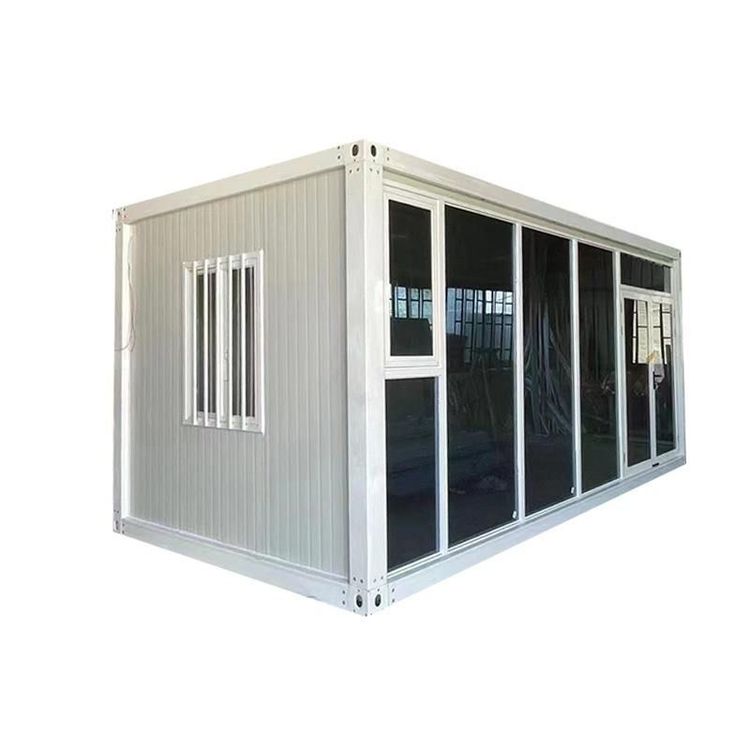
The main framework of the ancient-style mobile toilet typically employs a steel structure, formed through welding processes to ensure overall structural stability and durability. For instance, in some cases, the front features handcrafted grille designs, preserving the aesthetic characteristics of traditional architecture while enhancing construction efficiency through standardized production. The water and electrical piping systems are pre-installed in the factory, including water supply and drainage pipes, electrical circuits, etc., reducing on-site installation time and ensuring safety during use. The interior space is divided into separate male and female restrooms based on functional requirements, with some designs also incorporating accessible restrooms to meet diverse usage scenarios.
Core Materials and Exterior Craftsmanship
Metal carved panels are one of the core materials for such mobile toilets, capable of simulating natural textures like stone and wood grain through high-precision carving techniques, ensuring the exterior harmonizes well with ancient-style scenic environments. For example, using carved panels that mimic blue bricks or wood grain not only avoids issues like corrosion and high maintenance costs associated with traditional materials but also extends service life through the fire-resistant and moisture-proof properties of metal. Some designs further integrate neo-Chinese elements, such as red wood grain exteriors, flat roofs, paired with traditional window lattices or eave decorations, enhancing the visual expression of cultural symbols.
Functional Configuration and Human-Centric Design
To enhance the user experience, such mobile toilets are often equipped with facilities like public handwashing areas, bathroom cabinets, and beauty mirrors to meet tourists' cleaning needs. The interior space is optimized for ventilation and lighting through rational layout, such as using top skylights or side windows to reduce odor accumulation. Some premium models also incorporate intelligent control systems that can monitor temperature, humidity, and air quality in real-time, automatically adjusting ventilation frequency or activating deodorization devices. Additionally, considering the high visitor traffic in scenic areas, the design emphasizes modular expandability, allowing厕位 numbers or functional modules to be added or removed as needed, flexibly adapting to different scenarios.
Environmental Protection and Sustainability
The design of ancient-style mobile toilets emphasizes resource recycling, such as using water-saving flushing devices and solar power systems to reduce operational energy consumption. Some cases employ microbial degradation technology to treat waste, enabling waterless or low-water operation and reducing reliance on municipal sewage networks. Materials like metal carved panels are recyclable, meeting green building standards and further minimizing environmental impact throughout their lifecycle.