
American Street-side Portable Toilets
There are various types of portable toilets on American streets, along with some related incidents and unique designs.
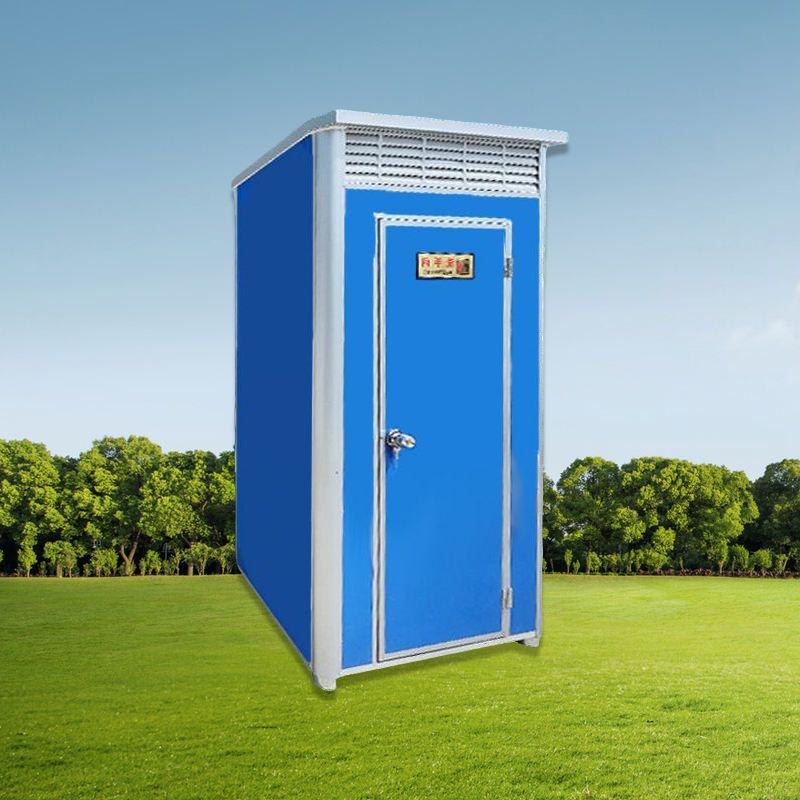
Incidents related to traditional portable toilets: There is a type of portable toilet on American streets known as the 'American Beehive', a term coined in online slang. An incident occurred in Kansas City, USA, where a man fell into a portable toilet bowl and was trapped for 8 hours. He claimed he slipped in while trying to retrieve a beverage bottle that had fallen into the bowl. This incident highlights potential safety hazards in traditional portable toilets, such as unstable toilet designs or narrow interior spaces that make it difficult for trapped individuals to free themselves.
Disposable toilets: The United States has invented the 'disposable toilet', which resembles a raincoat and is composed of a disposable black plastic bag and four material parts. When used, it is worn over the body, covering from the upper body to the knees, and features soundproofing and odor-removal functions. After use, it can be directly thrown into the trash can, priced at $10 per box. This type of disposable toilet is highly popular among wealthy Americans, especially women, and has become a must-have item when going out. However, some conservative women feel embarrassed to use it. The design of disposable toilets provides convenience for people during outdoor activities, solving the problem of temporary toilet needs, while also considering the privacy and comfort of users. However, cultural differences also affect its target audience.
Smart public toilets: New York is piloting smart public toilets with features such as automatic timing, intelligent early warning, and remote supervision. They strictly enforce a 10-minute usage limit, with voice reminders before the countdown ends and automatic sliding door opening upon timeout. They employ intelligent unlocking methods, do not require connection to urban water and sewage networks, and offer efficient installation at lower costs. They are also equipped with touchless sanitary ware and free menstrual products. However, these smart public toilets also have a loophole in terms of inclusivity, as they are inaccessible to vulnerable groups in cities such as the homeless. This indicates that when applying technology, it is also necessary to consider the needs of different groups to achieve fair use of public facilities.



