
American Prefabricated Housing
American prefabricated housing (modular housing) is characterized by efficiency, cost-effectiveness, and strong disaster resilience. Chinese products are rapidly penetrating the U.S. market with their price and performance advantages, while local companies are integrating the high-end market through mergers and acquisitions.
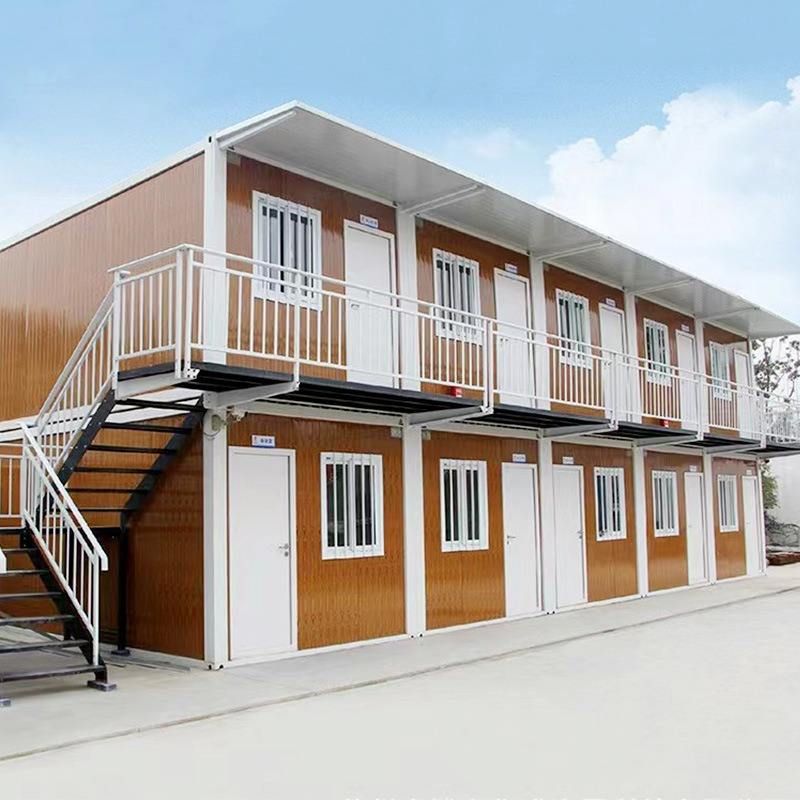
I. Market Landscape of Prefabricated Housing in the United States
The U.S. prefabricated housing market is dominated by Clayton Homes, founded by Jim Clayton in 1956. In 2014, the company sold 30,871 homes, accounting for 45% of the total prefabricated housing sales in the United States. Its core products include modular homes and prefabricated homes, primarily targeting middle- and low-income families and the demand-driven market, reducing costs through standardized production. In 2026, Berkshire Hathaway extended its prefabricated housing business into the high-end single-family home sector by acquiring Taylor Morrison, becoming the fourth-largest residential developer in the United States. This integration marks the expansion of the U.S. prefabricated housing market from mass-market to high-end offerings, although local companies still face challenges related to high costs.
II. Competitive Advantages of Chinese Prefabricated Housing
Chinese-manufactured prefabricated homes are rapidly gaining ground in the U.S. market, relying on three key advantages:
- Significant Price Advantage: A small, fully furnished 300-square-foot (approximately 28㎡) home costs only between $12,000 and $30,000, including smart home system configurations. In contrast, building a home of the same standard in the United States takes 6-12 months, with soaring labor and material costs. Chinese products, however, can be occupied within 90 days from order placement, with total costs more than 50% lower.
- Outstanding Disaster Resilience: Chinese prefabricated homes often feature heavy steel frame structures with seismic resistance up to an intensity of 8 degrees or higher, along with heat insulation and fire prevention capabilities. Some models are also equipped with rainwater harvesting systems and off-grid solar systems to meet U.S. consumers' needs for independent living.
- High Production Efficiency: Modules are produced on assembly lines and then transported to local sites for assembly, significantly shortening construction cycles and bypassing issues such as cumbersome approval processes and labor shortages in the United States.
III. Market Challenges and Future Trends
Despite their continued price advantage due to tariff increases, Chinese prefabricated homes may face challenges to long-term competitiveness from trade barriers. U.S. local companies, on the other hand, are integrating the high-end market through mergers and acquisitions, such as Berkshire Hathaway's expansion into high-end single-family home product lines through Taylor Morrison. In the future, the prefabricated housing markets in China and the United States may exhibit differentiated competition: Chinese products will continue to dominate the mid- to low-end demand-driven market, while U.S. companies will focus on high-end customized needs. Both sides will also need to address challenges such as environmental regulations and supply chain stability.



