American Prefabricated Houses Customized in China
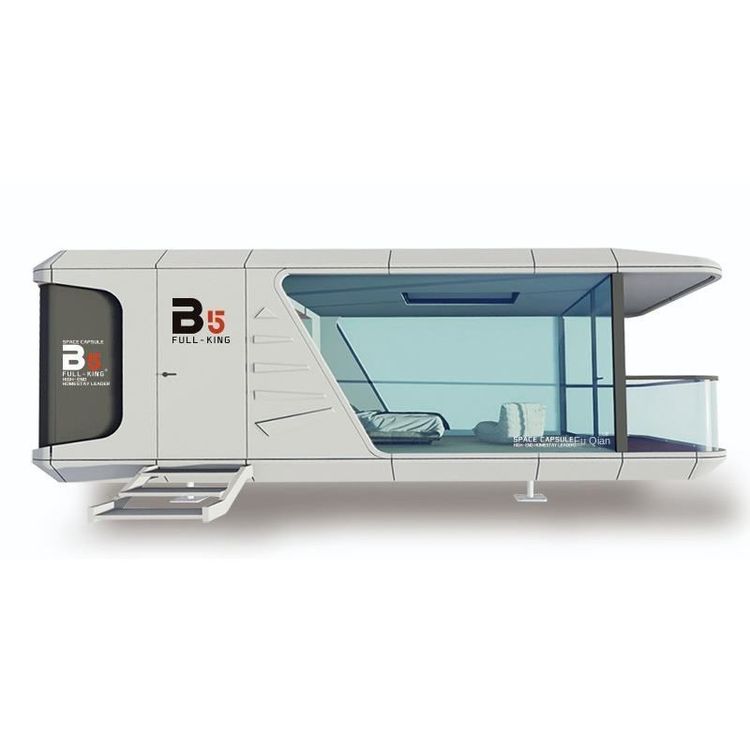
Customizing prefabricated houses in China has become an efficient, low-cost, and fully functional new option for Americans, with core advantages reflected in the customization process, cost, product features, and market trust.

1. Efficient Customization Process and Short Delivery Time
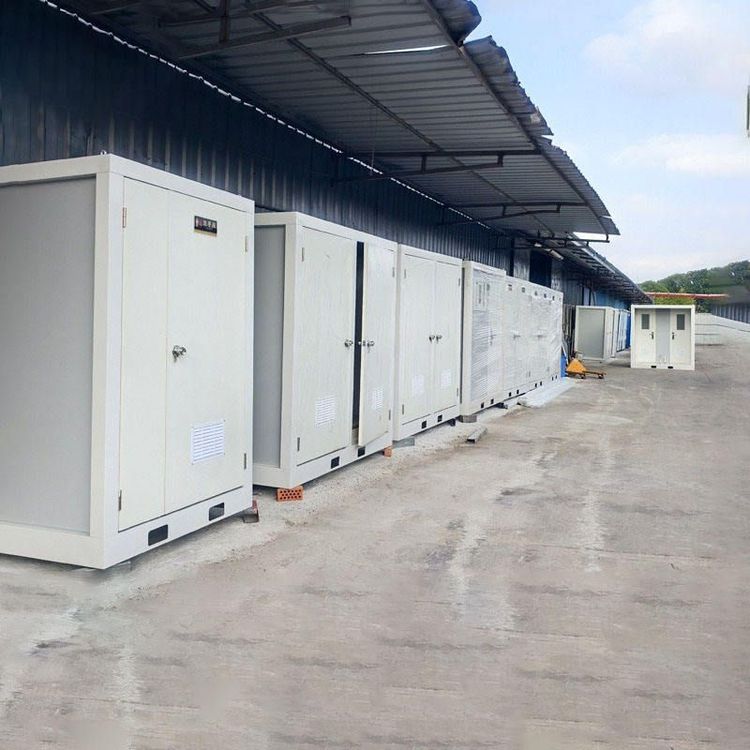
After placing orders through platforms like Alibaba.com, Chinese factories can complete standardized production within 25-30 days, with sea freight taking 45-50 days, resulting in a total delivery time of no more than three months. For example, He Shi Integrated Housing Co., Ltd. in Hengshui, Hebei, has achieved a monthly production capacity of over a thousand units, offering one-stop services from design to the inclusion of toilets and lighting fixtures, significantly shortening the traditional house-building cycle. This digital supply chain and large-scale production model enable overseas consumers to quickly obtain customized houses.
2. Significant Cost Advantage and Outstanding Cost-Effectiveness
Taking a 70㎡ fully furnished house as an example, the house itself is priced at $15,800, with total costs including shipping and tariffs amounting to less than $30,000 (approximately RMB 200,000), which is more than 50% cheaper than self-building in the United States. Even in the face of high tariffs, China's complete manufacturing supply chain can maintain competitiveness by reducing costs. For instance, an American engineer saved $100,000 by purchasing Chinese building materials, further validating the cost advantage.
3. Outstanding Product Features to Meet Diverse Needs
- Fully Functional: The houses are equipped with independent kitchens and bathrooms, water heaters, charging ports, and other basic facilities. Some models also feature built-in smart home systems, photovoltaic roofs, and rainwater collection systems to meet modern living needs.
- Strong Disaster Resistance: Utilizing heavy steel frame structures, they have a seismic resistance intensity of over 8 degrees, are heat-insulated and fire-resistant, and can withstand extreme weather conditions such as hurricanes, enhancing living safety.
- Flexible Deployment: No foundation is required, allowing for quick assembly like building with LEGO blocks. They can even avoid property taxes through ground hardening exemption, making them suitable for temporary housing or post-disaster reconstruction scenarios.
4. Enthusiastic Market Response and Gradually Increasing Trust
In the first five months of 2026, China's total export value of mobile houses reached $2.324 billion, with the GMV of the mobile house category on Alibaba.com increasing by more than 50% year-on-year, and American buyers accounting for over 20%. Typical cases include an American couple whose house-buying video received 3 million views and led them to become dealers, as well as Chinese manufacturers enhancing credibility through transparent production processes, AI agent technical support, and professional after-sales services, even demonstrating quality through intuitive methods like "70 people jumping to test load-bearing capacity" and "high-pressure water jets to test waterproofing."
This model essentially represents a "dimensionality reduction attack" by Chinese manufacturing in the prefabricated housing sector, redefining the house-building logic for overseas consumers through digital supply chains and supply chain advantages.