Aluminum Alloy Container House Warehouse
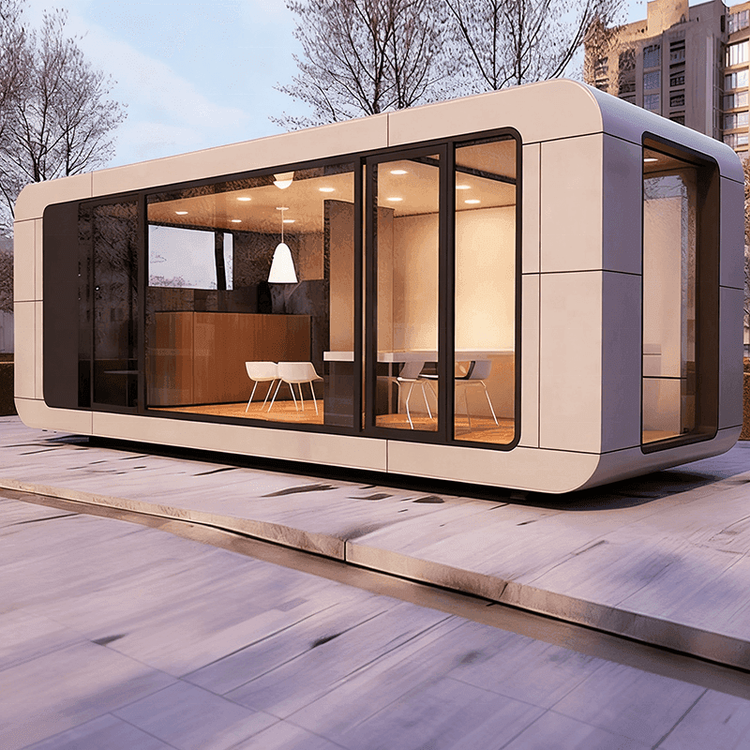
An aluminum alloy container house warehouse is a storage facility constructed using aluminum alloy as the structural material, combined with the modular design concept of containers. It features lightweight construction, corrosion resistance, mobility, and customizability, making it widely applicable in industrial, commercial, and temporary building sectors.
1. Advantages of Aluminum Alloy Material Properties
Aluminum alloy is characterized by low density, high strength, and strong corrosion resistance. Compared to traditional steel containers, aluminum alloy container house warehouses are lighter in weight, facilitating easier transportation and lifting. They also effectively resist environmental erosion from moisture and salt spray, extending service life. The surface can be further enhanced in aesthetics and weather resistance through processes like anodizing and spraying.
2. Modularity and Customizability
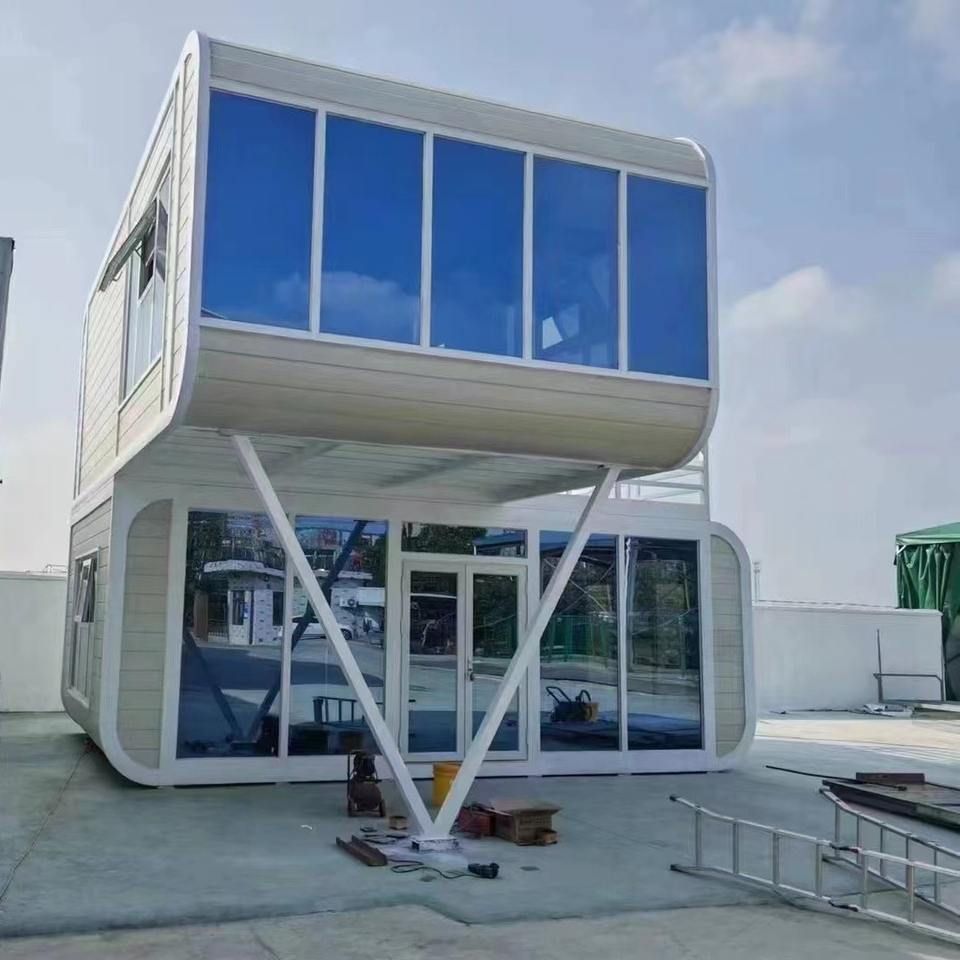
Based on standard container sizes (such as 20 feet and 40 feet), aluminum alloy container house warehouses can be modularly combined. By splicing and stacking, they can quickly construct storage spaces of varying scales, meeting diverse needs from temporary warehouses to long-term fixed warehouses. Additionally, the internal layout can be customized according to functional requirements, such as adding partitions, shelves, and ventilation systems, to suit industrial storage, logistics transit, and commercial display scenarios.
3. Application Scenarios and Cases
- Industrial Storage: Aluminum alloy container house warehouses can be used for temporary storage of raw materials, semi-finished products, or finished goods in factories. Their moisture-proof and fire-resistant properties comply with industrial safety standards. For example, a company in Suzhou adopted aluminum alloy containers as auxiliary warehouses for its workshops, achieving rapid expansion through modular design.
- Commercial Display: Some aluminum alloy container house warehouses have been transformed into shops or exhibition halls, incorporating glass curtain walls and lighting systems to create unique commercial spaces. For instance, a cultural tourism project in Shandong used aluminum alloy containers to build mobile shops, combining practicality with aesthetic appeal.
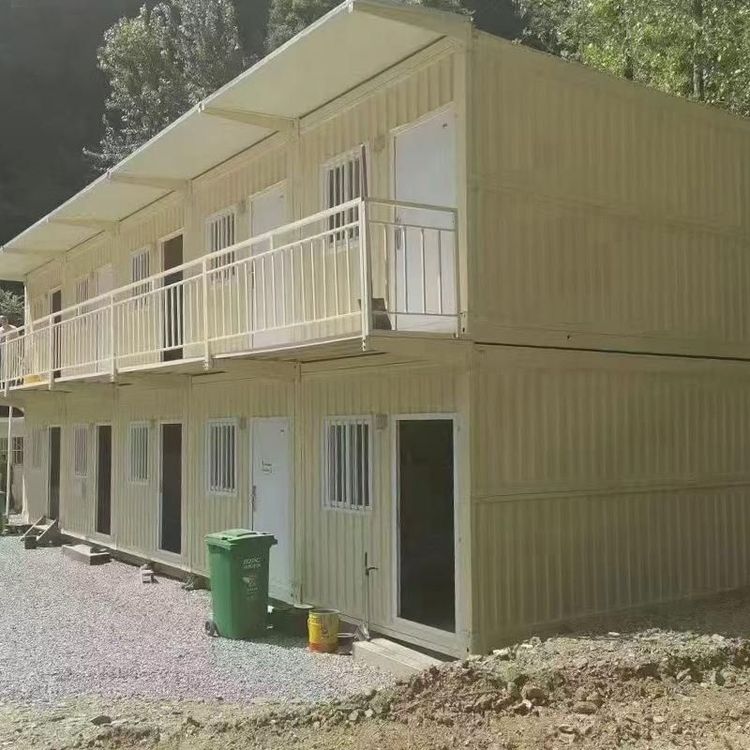
- Temporary Buildings: In scenarios such as construction sites and disaster areas, aluminum alloy container house warehouses can serve as temporary office or storage spaces. Their mobility and rapid deployment capabilities significantly outperform traditional buildings. For example, a prefabricated building company in Guangxi provides rental services for aluminum alloy container activity houses to meet short-term project needs.
4. Cost and Maintenance
The initial cost of an aluminum alloy container house warehouse may be higher than that of an ordinary container. However, in the long run, its corrosion resistance and low maintenance requirements can reduce overall costs. Daily maintenance only requires regular cleaning and inspection of structural connectors, without the need for complex anti-corrosion treatments. Additionally, aluminum alloy materials are recyclable, aligning with green building principles.