
Akesu Wooden Mobile Toilet
Currently, there is no specific public information available about the 'Akesu Wooden Mobile Toilet'. The following is a popular science analysis from the perspectives of mobile toilets and wooden structural characteristics.
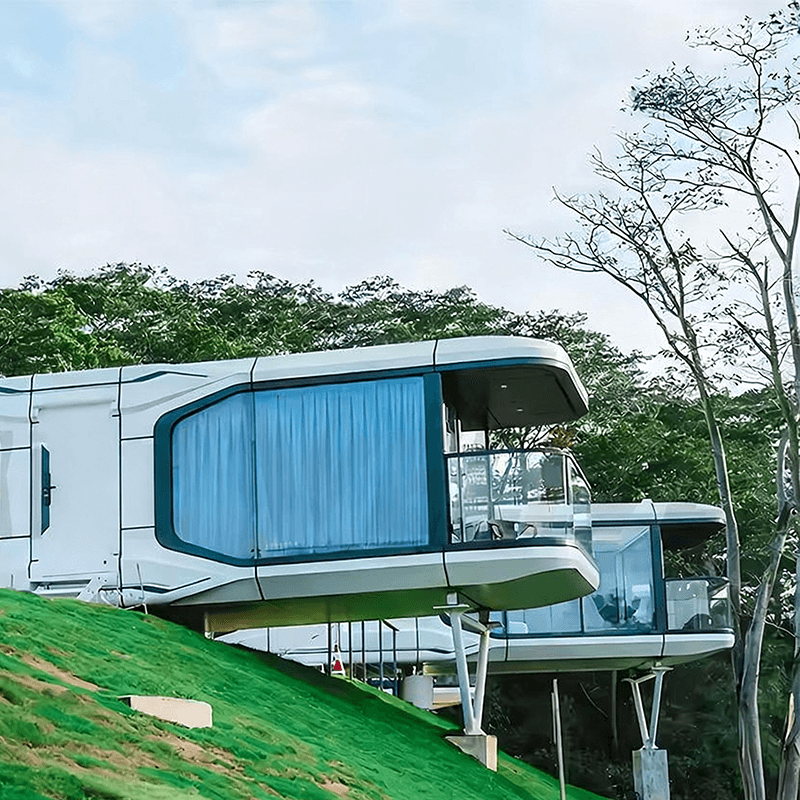
Mobile toilets are public sanitation facilities that are movable and can be flexibly arranged. They are typically made of environmentally friendly materials and feature water conservation, energy efficiency, and ease of cleaning. Their core advantage lies in mobility, allowing for quick installation or relocation based on demand, making them suitable for temporary events, scenic spots, construction sites, and other scenarios. Common types of mobile toilets include:
- Single-unit type: An independent structure suitable for small-scale use;
- Connected type: Multiple toilet compartments combined to meet high-traffic demands;
- Eco-friendly type: Utilizing technologies such as microbial degradation and foam sealing to reduce water consumption.
Wooden structures are widely used in the construction field, with characteristics including:
- Environmental friendliness: Wood is a renewable resource, and the energy consumption during processing is relatively low;
- Natural aesthetics: Wooden textures enhance visual comfort and blend well with natural environments;
- Thermal insulation: Wood has a low thermal conductivity coefficient, providing better winter insulation than metal or plastic;
- Durability: Requires anti-corrosion treatment (such as carbonization or applying anti-corrosion agents) to extend its service life.
When applying wooden structures to mobile toilets, the following issues need to be addressed:
- Anti-corrosion and moisture resistance: Mobile toilets are often in outdoor environments, and wood is susceptible to rain and humidity. High-strength anti-corrosion wood or additional waterproof coatings are required;
- Structural stability: During movement, vibrations need to be withstood. The wooden frame requires reinforcement design (such as adding crossbeams or metal connectors) to ensure safety;
- Lightweight requirements: Wood has a relatively high density, so it is necessary to balance material thickness and overall weight to avoid affecting mobility convenience.
Currently, mobile toilets on the market mostly use metal, plastic, or composite materials. Wooden mobile toilets may not be widely popular due to factors such as cost and maintenance difficulty. For further information, it is recommended to contact local environmental protection equipment suppliers or consult construction industry journals to obtain targeted cases or technical solutions.



