
Akesu Color Steel Mobile Toilet
The Akesu color steel mobile toilet is a sanitation facility that combines modular design with eco-friendly technology. It has practical applications in the Xinjiang region, although specific pricing and case information are not yet available. The following provides an in-depth explanation from three aspects: technical features, installation points, and environmental advantages.
Technical Features
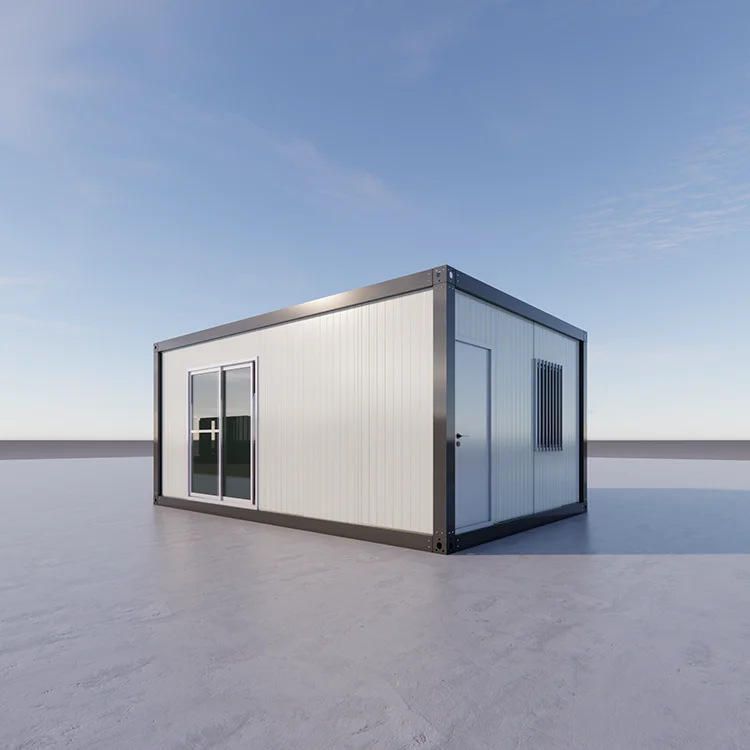
The color steel mobile toilet adopts a modular design, with its core structure assembled from color steel panels. The panel assembly uses hidden fastening technology, where wall panels are connected via internal slots, and external seams are sealed with waterproof adhesive strips to ensure structural integrity. The roof panels are designed with a slight curve to enhance load-bearing capacity and effectively channel rain and snow. The internal piping system employs a split design, with sewage, ventilation, and water supply pipes prefabricated as independent modules in the factory and connected on-site using standardized interfaces. The pipe material is high-density polyethylene, which is corrosion-resistant and easy to maintain. In terms of water-saving technology, the flushing system utilizes the pressure differential principle to reduce water consumption, and the sinks are equipped with inductive flow-limiting devices. Some newer models can collect sink wastewater for secondary flushing, reducing water usage by approximately 70% compared to traditional flush toilets. Waste treatment employs a combination of biodegradation and physical separation, with solid-liquid separation devices directing waste into different treatment zones to minimize pollution risks.
Installation Points
Before installation, the foundation treatment method must be adjusted according to local geological conditions. For example, in sandy soil areas, a combination of concrete foundations and ground anchors is used to enhance stability; in permafrost zones, the foundation depth must be increased to prevent frost heave damage. The installation process adheres to the principle of minimal disturbance, especially in ecologically fragile areas, to reduce environmental impact. The modular design allows for flexible addition or removal of functional units, such as adding a mother-and-child room or barrier-free facilities, provided that standardized interface dimensions are maintained.
Environmental Advantages
The surface coating of the color steel panels uses photocatalytic materials that can decompose air pollutants; the roof can be equipped with solar panels to provide clean energy. The structure uses bolt connections, allowing for complete panel recovery during future demolition, reducing construction waste by approximately 85% compared to concrete structures. The thermal performance has been optimized, with the rock wool filling in the color steel panel sandwich increased to 150 millimeters in thickness. The windows use double-glazed units and are designed as adjustable-angle louvers, reducing indoor temperature regulation energy consumption by approximately 40%, making them suitable for the large temperature variations between day and night in the Xinjiang region.



